Big Island Travel Guide: Volcanoes, Beaches & Stargazing
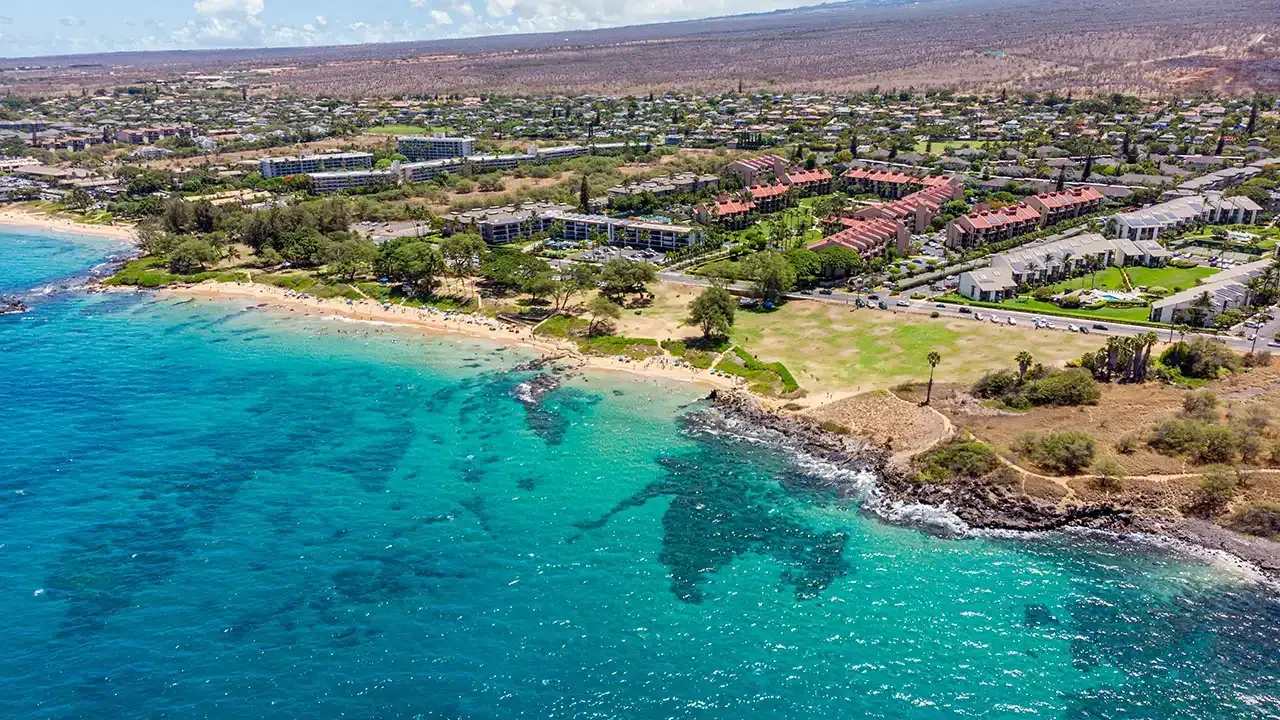
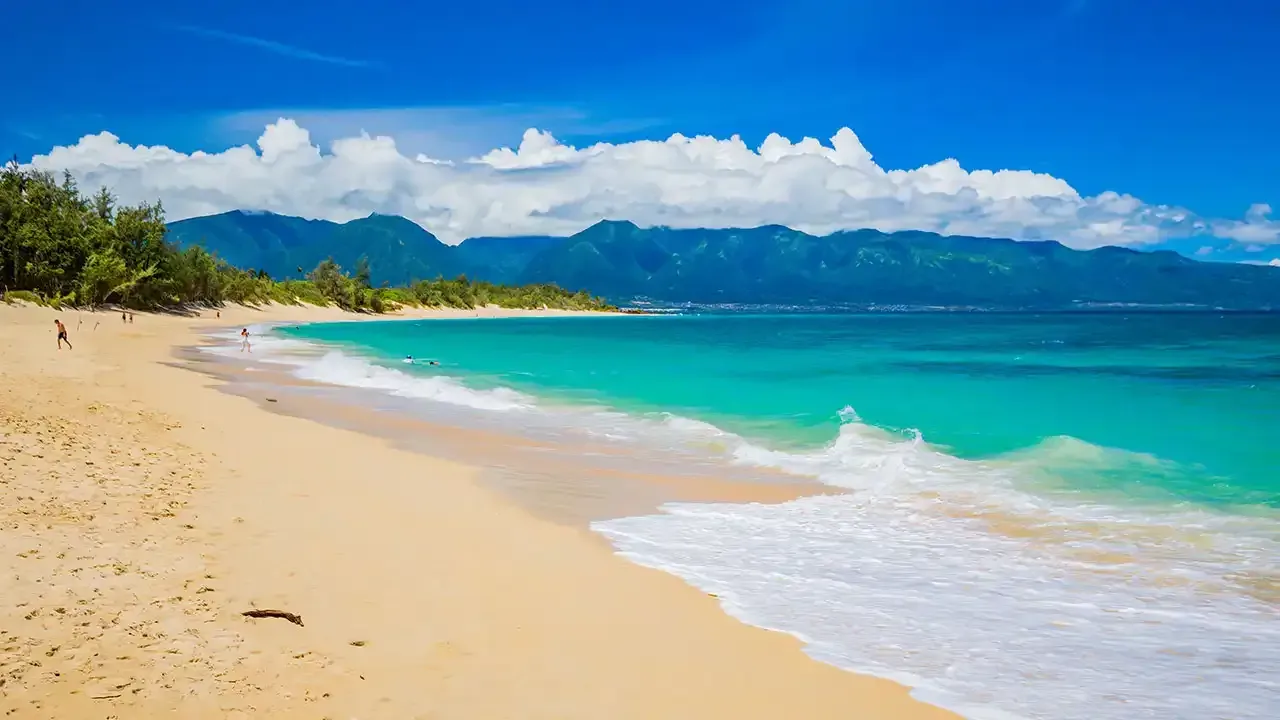
The Big Island of Hawaii concentrates geological and coastal diversity—active and dormant volcanoes, varied beaches, and excellent stargazing. This guide highlights key attractions such as Hawaiʻi Volcanoes National Park and Punaluʻu Black Sand Beach, and offers practical recommendations and tips for family and solo travelers to plan a safe, efficient visit.
What Are the Must-Visit Volcano Attractions on the Big Island?
The Big Island's volcanic sites showcase the island's active geological processes.
- Hawaiʻi Volcanoes National Park: Home to the active Kīlauea volcano, the park lets visitors observe steam vents, lava tubes, and recent lava flows (where accessible).
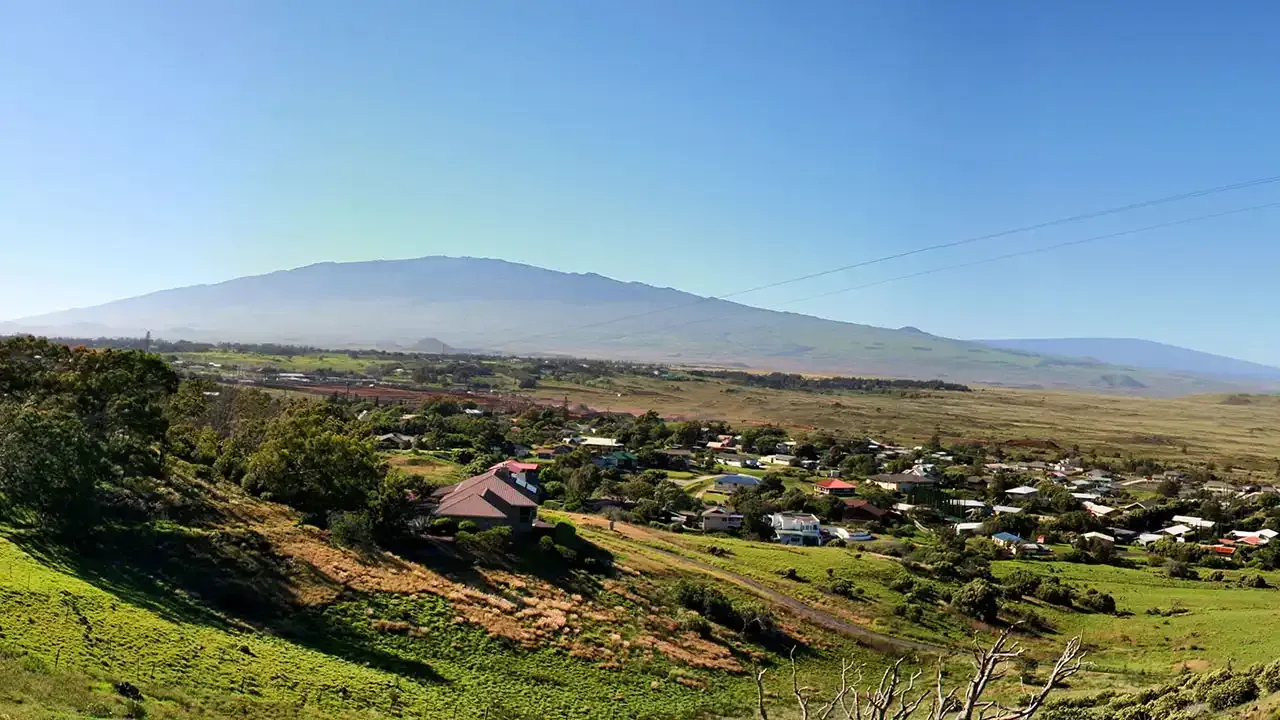
- Mauna Kea: A dormant summit that is Hawaii's highest point and a premier stargazing location due to elevation and clear skies.
- Punaluʻu Black Sand Beach: Famous for black volcanic sand and frequent sea turtle sightings—an iconic coastal contrast to volcanic terrain.
These stops help visitors understand the geological forces that shaped the island and are recommended for anyone interested in volcanism.
How to Safely Experience Hawaii Volcanoes National Park
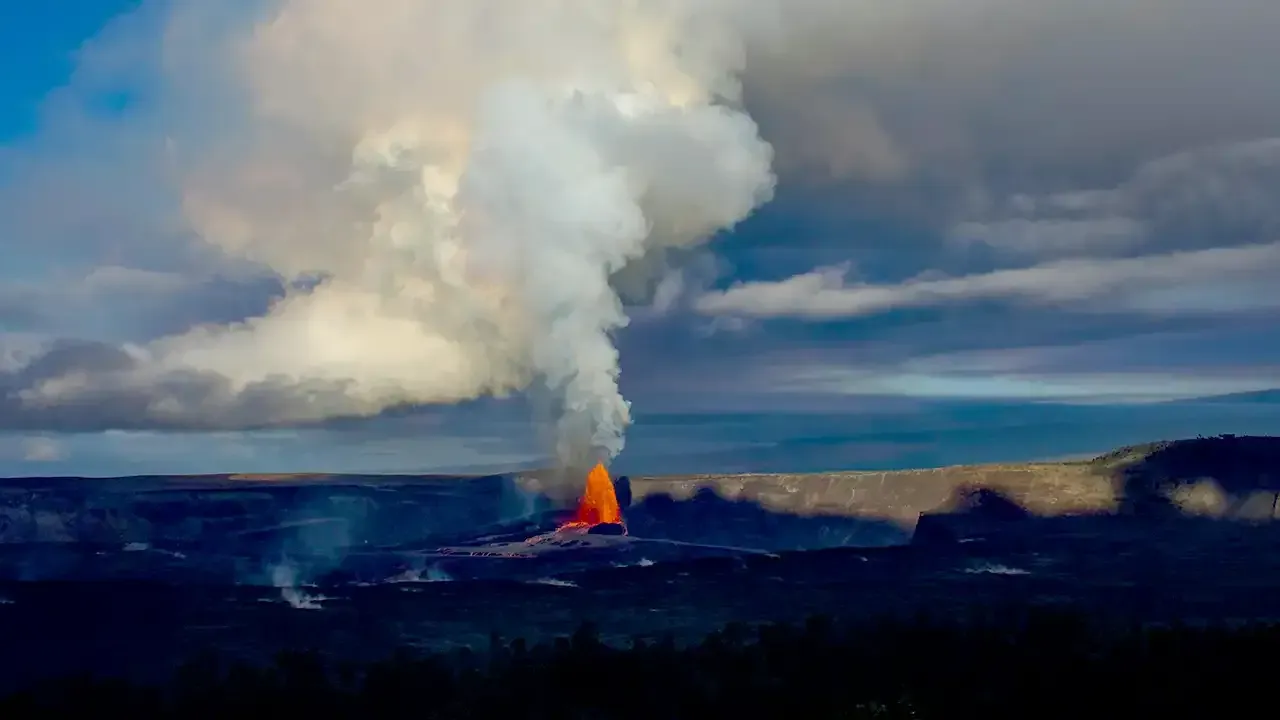
Visitors to Hawaiʻi Volcanoes National Park should follow established safety measures to protect themselves and park resources.
- Stay on Marked Trails: Stick to designated paths to avoid unstable ground and protect habitat.
- Heed Warning Signs: Follow posted notices about volcanic activity and closures.
- Monitor Wildlife: Give native animals, including the Hawaiian Nene goose, space and do not disturb them.
Following park guidelines reduces exposure to volcanic hazards and supports conservation.
Where to View Active Lava Flows and Volcanic Landscapes
Several options provide reliable vantage points for observing lava flows and volcanic landforms.
- Hawaiʻi Volcanoes National Park: The primary place for viewing recent lava activity when and where access is allowed.
- Helicopter Tours: Offer aerial perspectives of flows and craters that are otherwise inaccessible.
- Boat Excursions: Provide close coastal views of ocean entry points when conditions permit.
Each method has different logistics and vantage advantages—choose based on access, budget, and safety advisories.
Which Beaches Offer the Best Experiences on the Big Island?
The Big Island offers beaches for varied interests, from wildlife viewing to water sports.
- Punaluʻu Black Sand Beach: Black sand, turtle sightings, and strong photographic interest.
- Kahalu‘u Beach Park: Family-friendly snorkeling with abundant fish and calmer waters.
- Hapuna Beach: White sand and clear water suited to swimming and sunbathing.
Pick beaches that match your priorities—wildlife observation, snorkeling, or general relaxation.
How Can Visitors Enjoy Stargazing on the Big Island?
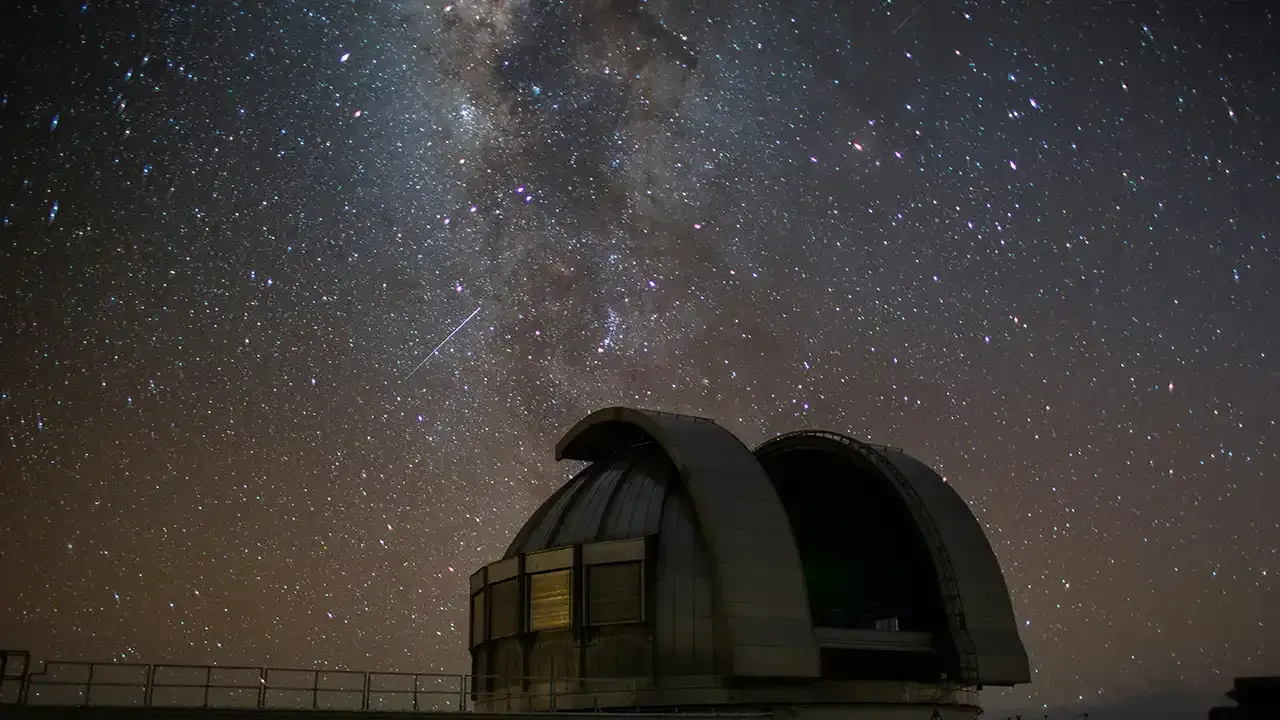
Clear skies and low light pollution make the Big Island excellent for astronomy.
- Mauna Kea: Known for world-class observatories; visitors can join guided programs or view from approved areas.
- Onizuka Center for International Astronomy: Offers public events and astronomy education near Mauna Kea.
- Saddle Road: Several remote pullouts along the road provide dark-sky viewing away from urban light.
Together, these sites make the island attractive to both amateur and professional stargazers.
What Are the Essential Travel Tips for Exploring the Big Island?
Plan ahead and use these practical recommendations to improve safety and itinerary efficiency.
- Safety Precautions: Be aware of terrain and ocean conditions; carry water and appropriate gear.
- Embrace Local Customs: Respect Hawaiian culture, ʻāina (land), and local practices.
- Must-See Attractions: Balance time between volcanoes, beaches, and cultural sites for a full experience.
Following these suggestions supports a safe, respectful visit.
Viewing locations differ in access and vantage; select options that match mobility, timing, and weather.
| Viewing Location | Featuree | Accessibility |
|---|---|---|
| Hawaiʻi Volcanoes National Park | Active lava flows | Park entrance required |
| Helicopter Tours | Aerial views | Book in advance |
| Boat Excursions | Close-up views | Weather dependent |
Frequently Asked Questions
What is the best time to visit the Big Island for outdoor activities?
The dry season, typically April through October, offers the most consistent weather for hiking and beaches. March and November can be good shoulder months; always check regional forecasts before travel.
Are there any guided tours available for exploring the Big Island?
Yes. Guided options include helicopter flights over lava areas, park-guided hikes, and organised stargazing trips on Mauna Kea. Many tours include transport and experienced guides; book ahead during peak times.
What wildlife can visitors expect to see on the Big Island?
Expect coastal species like sea turtles and reef fish, seabirds, and the native Hawaiian Nene goose. Manta rays and diverse reef life are common in marine tour areas; inland forests host native birds and insects.
How can I experience Hawaiian culture while visiting the Big Island?
Attend a traditional luau, visit local galleries and museums such as the Lyman Museum, and explore historical sites like Puʻuhonua o Hōnaunau National Historical Park to learn about Hawaiian history and practices.
What are the transportation options for getting around the Big Island?
Rental cars provide the most flexibility. Public buses exist but are limited. Taxis, rideshares, and guided tours can cover shorter routes or specific itineraries—plan logistics for remote areas in advance.
Are there any health and safety considerations for visitors to the Big Island?
Stay hydrated, heed park advisories about volcanic activity, and familiarise yourself with ocean safety (rip currents, marine wildlife). Consult a healthcare professional for individual medical advice before travel.