Hawaii Weather by Island: What to Expect for Your Trip Planning
Hawaii's weather mixes tropical heat, island geography, and seasonal shifts. Knowing how conditions change from island to island helps you plan activities and avoid surprises. This guide walks you through seasonal weather, average temperatures, and rainfall patterns so you can pick the best time and pack right. Whether you want beach days or mountain hikes, understanding the weather will make your trip smoother and more fun. We'll cover seasonal patterns, island differences, average temps, best times to visit, and how weather affects outdoor plans.
What Are the Seasonal Weather Patterns Across Hawaii?
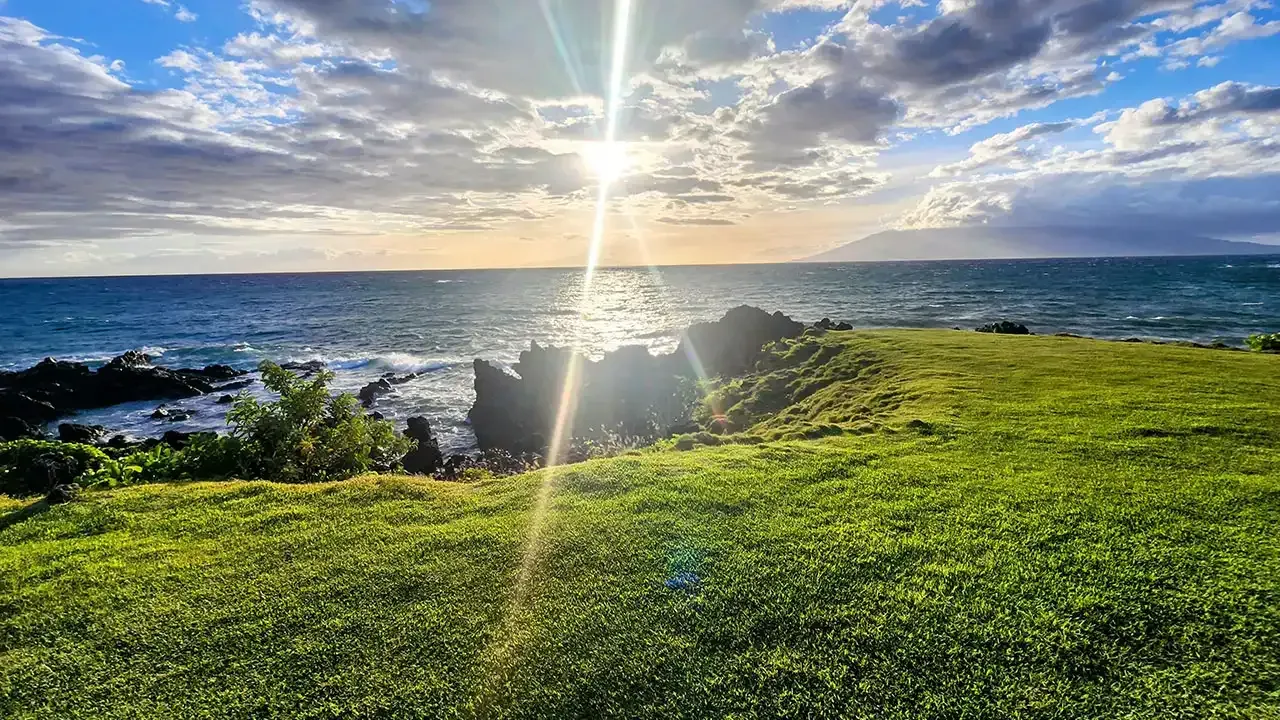
Hawaii has two main seasons: summer and winter. Summer runs roughly May to October and brings warmer temperatures and lower humidity—great for beaches and outdoor stuff. Winter runs November to April and is cooler and wetter in many places, which can change your plans. Knowing these shifts helps you choose the right time for what you want to do.
How Do Summer and Winter Affect Hawaii's Climate?
In summer, temperatures usually sit between 70°F and 90°F, with less rain—especially on leeward shores. It's a great time for water sports and hiking. In winter, temps can drop into the mid-60s°F at higher elevations and rainfall goes up, mainly on windward coasts. Winter gives you lusher scenery but means packing for wet weather.
When Is Hurricane Season in Hawaii and What Should You Know?
Hurricane season runs June 1 to November 30, with the highest risk from August to September. Hurricanes are uncommon, but they do happen. Stay aware of forecasts and local alerts, and know where to find emergency information while you're here.
How Does Weather Differ Between Each Hawaiian Island?
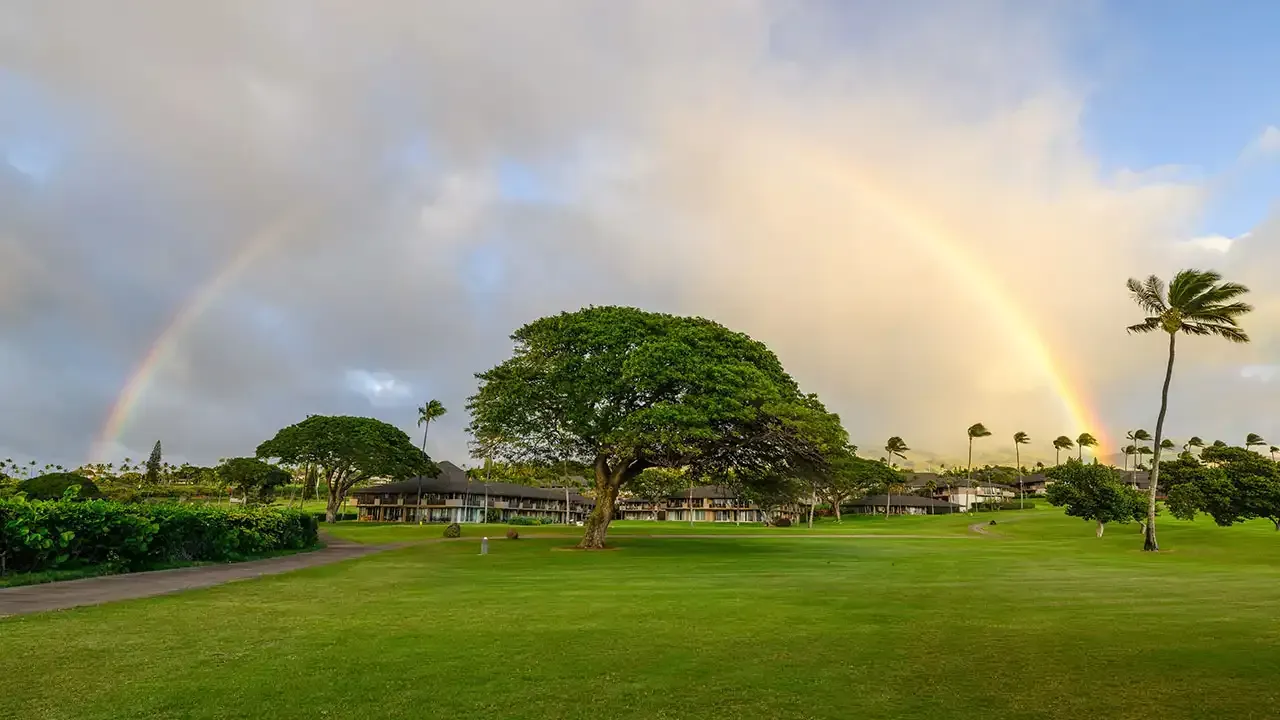
Each island has its own weather personality thanks to geography and microclimates. Those differences matter when you pick an island for hiking, beach time, or quieter stays.
What Are the Climate Highlights of Oahu, Maui, Big Island, Kauai, Molokai, and Lanai?
- Oahu: Known for its warm, sunny weather, Oahu experiences average temperatures between 70°F and 85°F. The island has a mix of dry and wet areas, with the North Shore receiving more rainfall.
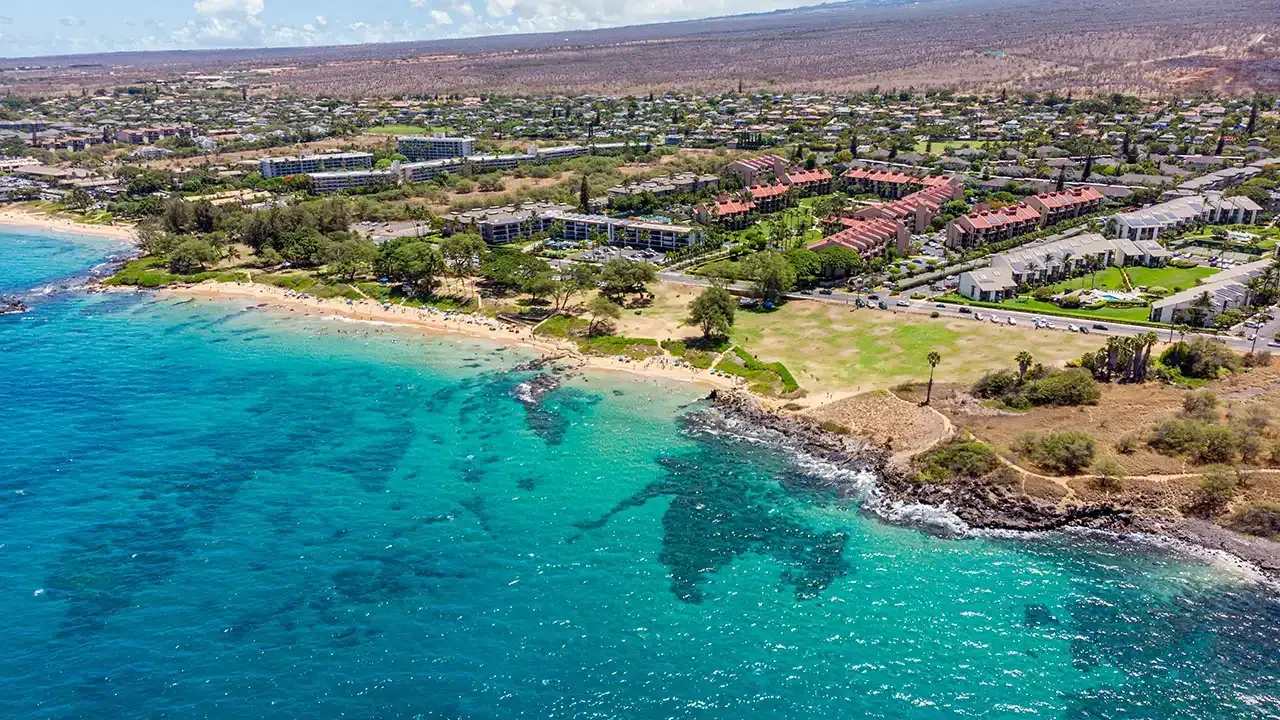
- Maui: Maui's climate varies significantly, with the leeward side being dry and sunny, while the windward side is lush and rainy. Average temperatures range from 70°F to 90°F.
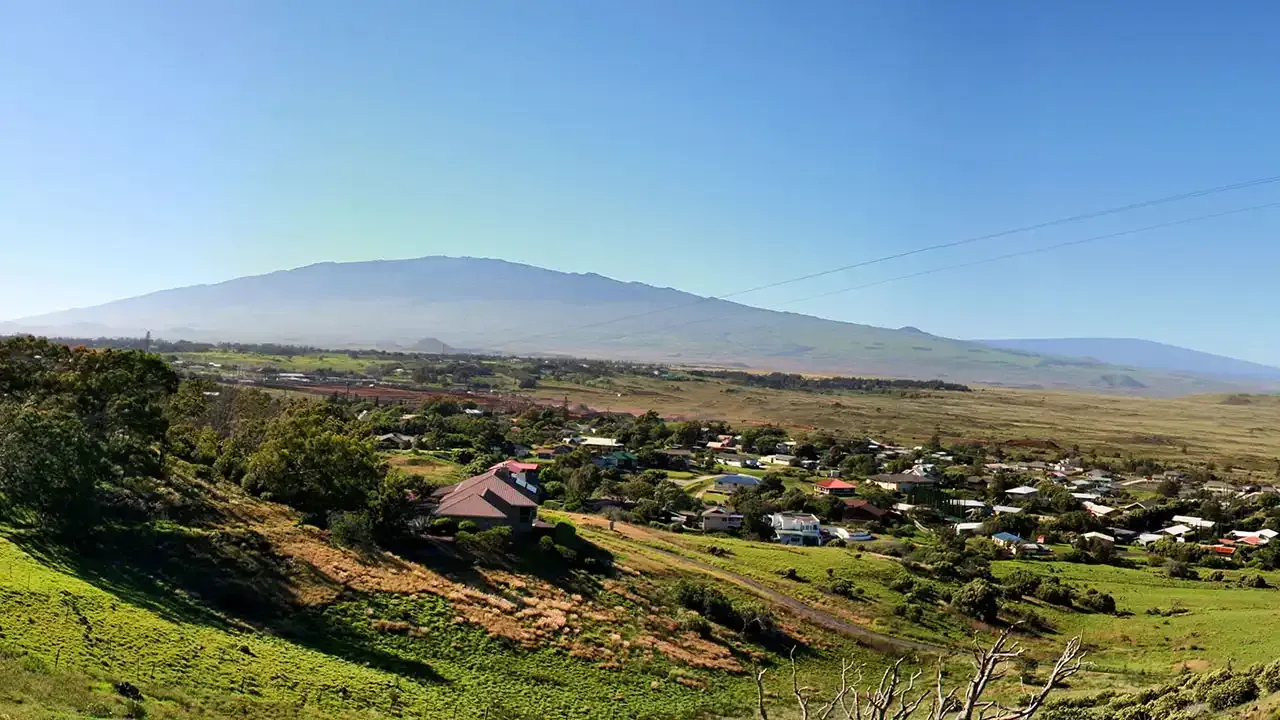
- Big Island: The Big Island features diverse climates, from the arid Kona coast to the lush Hilo side. Temperatures can vary widely, from 60°F to 90°F, depending on the region.
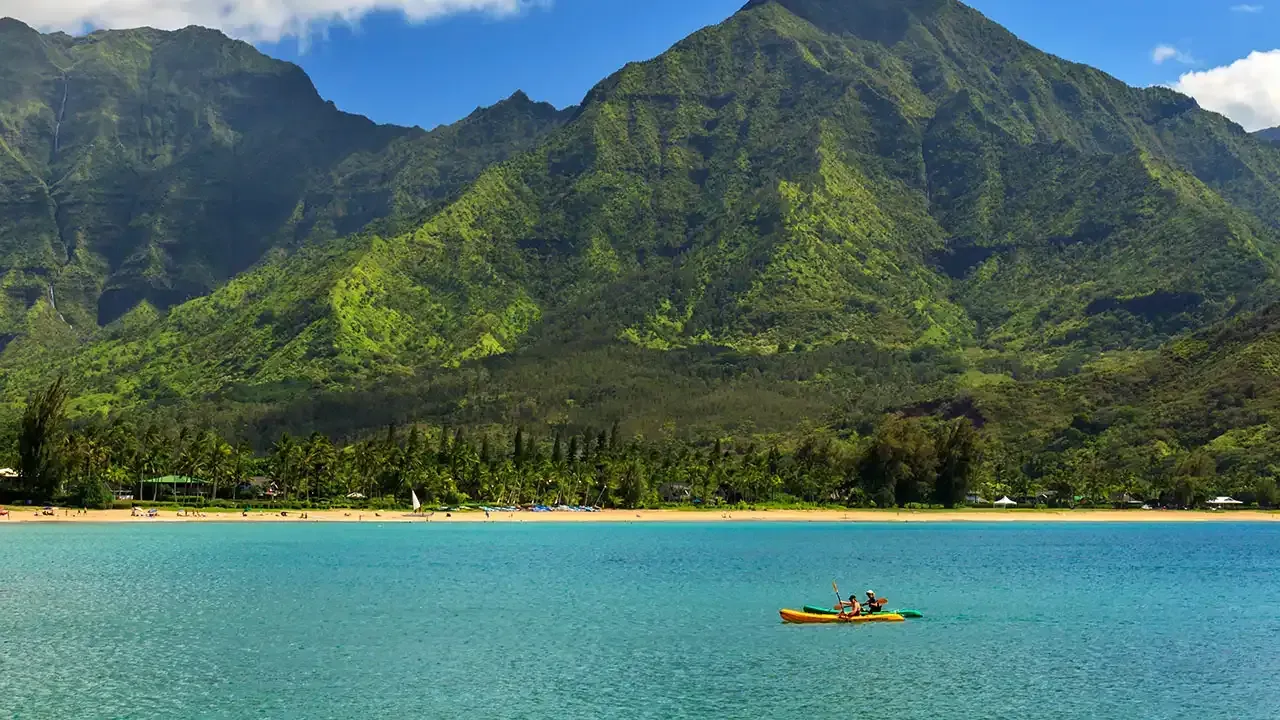
- Kauai: Known as the "Garden Isle," Kauai is the wettest of the islands, with average temperatures between 70°F and 85°F. Rainfall is frequent, especially in the north.
- Molokai: Molokai has a mild climate, with temperatures ranging from 65°F to 85°F. The island is less touristy, offering a more laid-back atmosphere.
- Lanai: Lanai experiences warm temperatures, typically between 70°F and 85°F, with less rainfall than its neighbors, making it ideal for outdoor activities.
How Do Microclimates Influence Rainfall and Temperature on Each Island?
Microclimates can change weather fast over short distances. Windward sides get more rain because trade winds push moist air up the slopes, while leeward sides stay drier and sunnier. That affects temperatures, plants, and what you can do outdoors. Knowing the microclimate helps you plan the best spots to visit each day.
What Are the Average Temperatures and Rainfall You Can Expect in Hawaii?
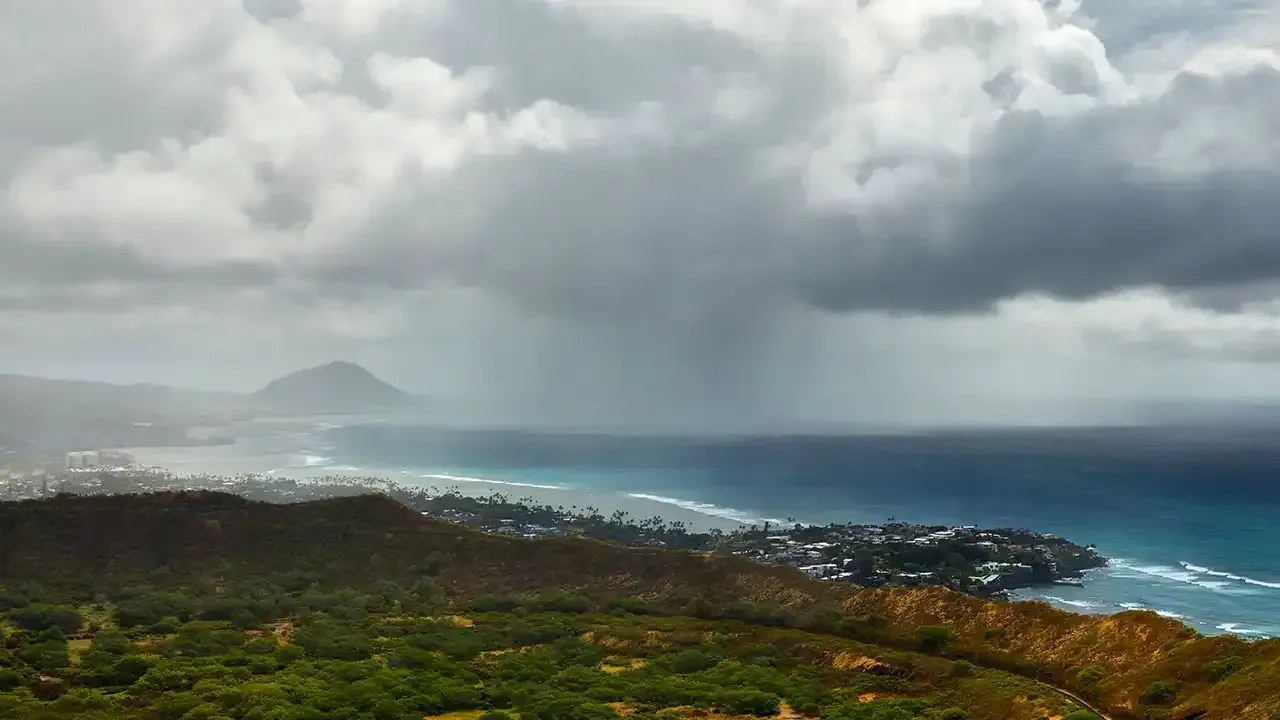
Average temperatures and rainfall vary a lot by island and season. Those averages give you a clear idea of what to expect so you can pack and plan properly.
What Are the Monthly Temperature Averages by Island?
| Island | Average Temperature (°F) | Average Rainfall (inches) |
|---|---|---|
| Oauh | 70-85 | 20 |
| Maui | 70-90 | 45 |
| Big Island | 60-90 | 20 |
| Kauai | 70-85 | 50 |
| Molokai | 65-85 | 25 |
| Lanai | 70-85 | 15 |
This table shows temperature and rainfall differences across islands and seasons, so you can choose clothing and gear that match the places you’ll visit.
How Does Rainfall Vary Across the Islands Throughout the Year?
Rainfall isn’t the same everywhere. Winter usually brings the wettest months, while summer is drier. Kauai gets the most rain, especially in the north, and the leeward sides of Maui and the Big Island tend to be much drier. Knowing these patterns helps you pick the best days for outdoor plans.
Research also highlights local effects and seasonal dynamics that shape rainfall patterns, especially along the Big Island's Kona coast.
Seasonal Rainfall Variations on Hawaii Island
ABSTRACT: This study used daily runs of the fifth-generation Pennsylvania State University–NCAR Mesoscale Model (MM5) from June 2004 to February 2010 to examine seasonal rainfall over the island of Hawaii. Local effects mainly drive rainfall on the Kona coast in the early morning and on the lower slopes in the afternoon. In summer, the incoming trade winds are more persistent and moister than in winter. The moisture content in the wake zone is higher than open-ocean values because of convergent airflow associated with dual counter-rotating vortices. As the westerly reversed flow moves toward the Kona coast, it decelerates while moisture increases, producing a moisture maximum over the coastal area, especially in summer afternoons. The higher afternoon rainfall on the Kona lower slopes in summer than in winter is caused by a moister (>6 mm) westerly reversed flow bringing moisture inland and merging with a stronger upslope flow.
When Is the Best Time to Visit Hawaii Based on Weather?
The best time depends on what you want to do and how you like the weather.
Which Months Offer the Most Pleasant Weather for Outdoor Activities?
April to June and September to mid-November are often the nicest. Temperatures are mild and rainfall is usually lower, so hiking, snorkeling, and beach days are more pleasant. These shoulder seasons also tend to be less crowded.
How Do Trade Winds Affect Visitor Comfort and Island Climate?
Trade winds, usually from the northeast, help keep things comfortable by cooling and lowering humidity. They make hot days feel nicer and are especially welcome during warmer months. Knowing when winds are stronger can help you pick the best days for outdoor plans.
How Does Hawaii's Weather Impact Popular Outdoor Activities?
Weather plays a big role in what activities are best on any given day or island.
What Weather Should You Expect for Beach, Hiking, and Water Sports?
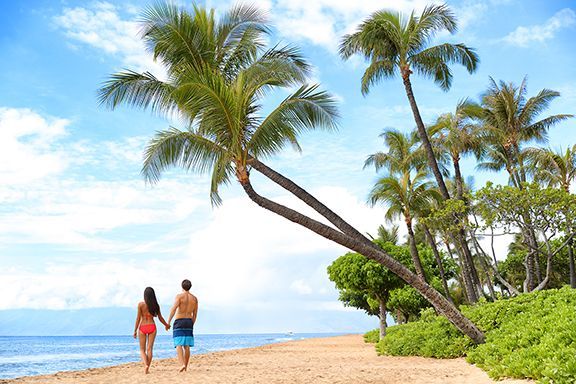
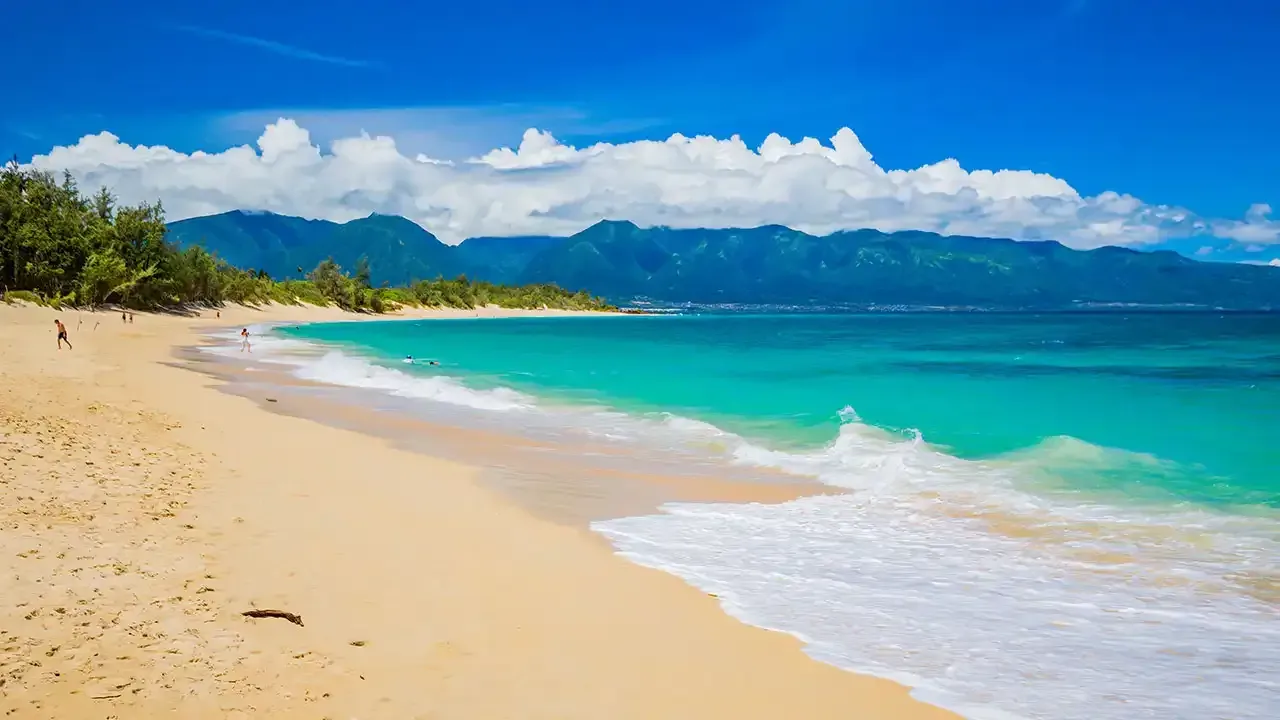
Summer brings sunny, warm beach weather. Winter often brings bigger swells, which surfers love. Trails can be cooler and wetter in winter, while summer usually means drier hikes. Snorkeling and diving are often best in calm summer months when underwater visibility is clearer.
How Can You Prepare for Weather Changes During Your Trip?
Be ready for quick changes, especially in the mountains. Pack layers, a lightweight rain jacket, and sun protection. Check local forecasts often so you can tweak plans and stay safe.
What Safety Precautions Should Visitors Take During Hawaii's Storm Seasons?
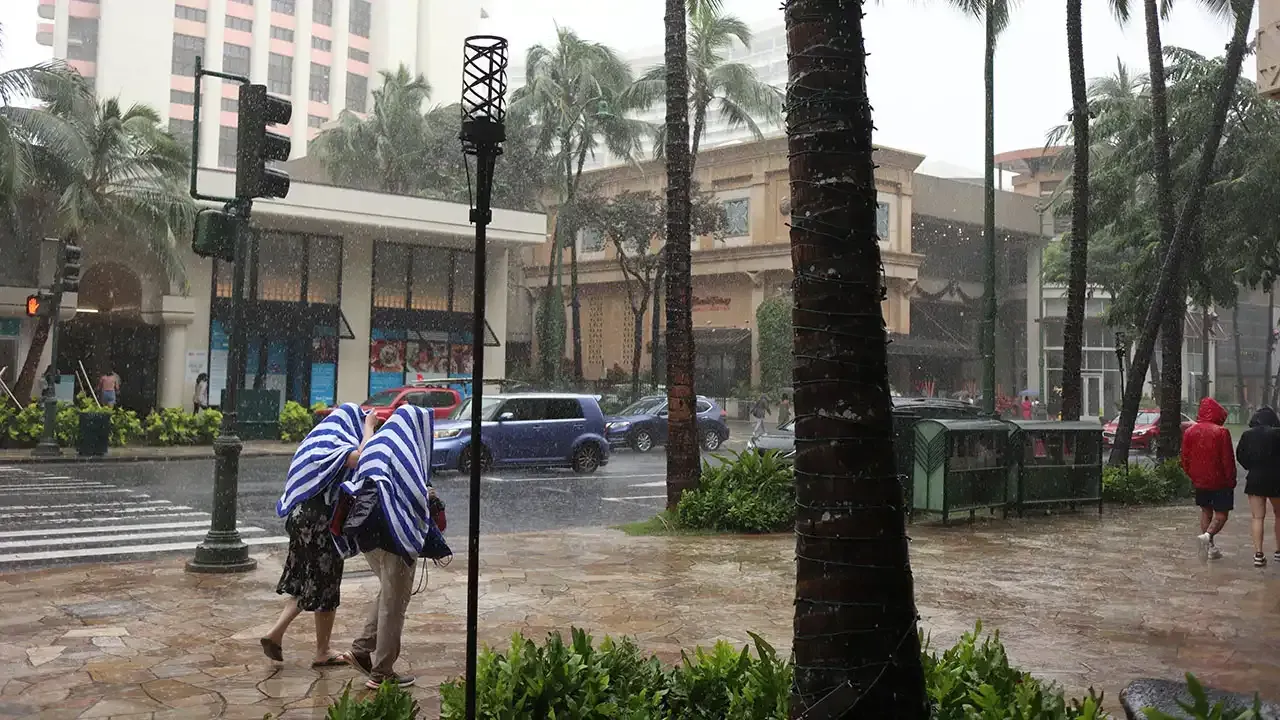
When storm season is active, staying informed and prepared makes a big difference.
How to Stay Informed About Weather Alerts and Hurricane Warnings?
Use local news, weather apps, and the National Weather Service for real-time updates and alerts. Checking these sources regularly helps you react quickly to changing conditions.
What Are Practical Tips for Hurricane and Storm Preparedness in Hawaii?
Know evacuation routes, have an emergency kit ready, and learn what local resources are available. Having a simple plan and staying informed can keep you safer during storms.
Frequently Asked Questions
What should I pack for a trip to Hawaii considering the weather?
Pack lightweight, breathable clothes for warm days and a light jacket or sweater for cool evenings, especially at higher elevations. Bring swimwear, a rain jacket or poncho for sudden showers, and sun protection like sunscreen, sunglasses, and a hat.
How does elevation affect weather conditions in Hawaii?
Temperature drops as you go up in elevation. Places like Mauna Kea can be much colder and may dip below freezing at the summit. If you're heading uphill, pack warm layers and check forecasts for the specific elevation you’ll visit.
Are there specific weather considerations for visiting Hawaii during the winter months?
Winter (November to April) brings cooler temperatures and more rain on windward sides. You’ll see greener landscapes and fewer crowds, but be ready for showers and cooler nights. Winter also brings larger ocean swells, which draw surfers.
What are the best outdoor activities to enjoy in Hawaii based on seasonal weather?
In summer, beach activities like swimming, snorkeling, and sunbathing are ideal. Winter offers bigger waves for surfing. Hiking is good year-round, but spring and fall usually mean milder temperatures and less rain, so trails are easier to enjoy.
How can I find reliable weather forecasts while in Hawaii?
Check local TV and radio, weather apps, and the National Weather Service website. Some islands have their own services with local updates, and hotel staff can often help with current conditions. Regularly checking forecasts helps you plan each day.
What are the implications of Hawaii's microclimates for travelers?
Microclimates mean weather can change quickly across short distances—windward sides get more rain while leeward areas stay drier. Look up conditions for the specific regions you'll visit so you can plan activities and make the most of each island.