
Whale Watching in Hawaii: Best Time, Islands & Tours
Whale watching in Hawaii is at its best from January through March, when humpback whales gather around the islands to mate, give birth, and nurse their calves. Maui is a strong choice for a whale-focused vacation, while Oahu, Kauai, and the Big Island offer plenty of opportunities to see them from boats and coastal lookouts.
Sometimes the first sign is a plume of mist offshore. Other times, a whale’s tail rises above the surface, or a breach sends up a splash visible from the beach. You don’t need to spend every day on the water to see these animals, but choosing the right season and viewing location makes a difference.
We recommend planning around three things: your travel dates, the island where you’re staying, and the kind of outing your group will enjoy. Here’s how to put those pieces together.
When Is Whale Watching Season in Hawaii?
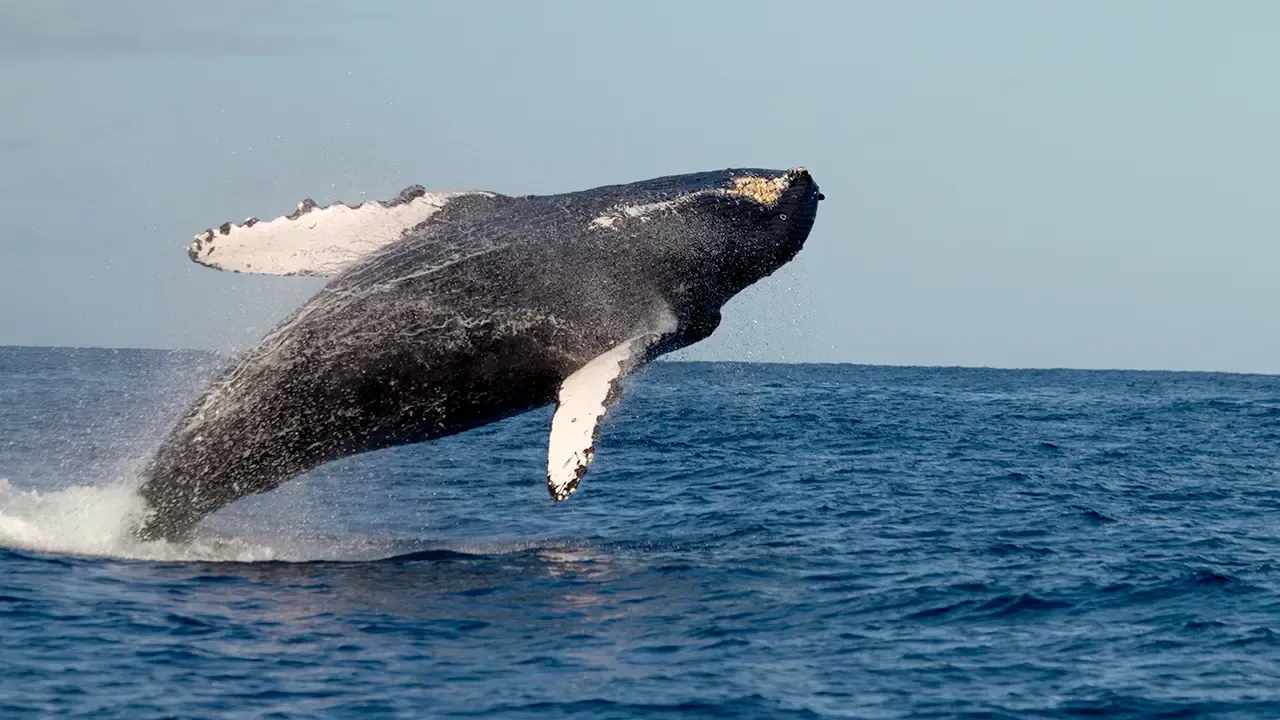
Hawaii’s humpback whale season generally runs from November through May, with peak abundance from January through March, according to the Hawaiian Islands Humpback Whale National Marine Sanctuary.
The broader season includes early arrivals and whales that linger into spring. Dedicated whale watching tours often operate within a shorter window, so check an excursion’s actual dates before building your itinerary around it.
| Month | What to Expect |
|---|---|
| November | Early arrivals are possible, although sightings are less dependable than during the winter peak. |
| December | Whale numbers build, and many seasonal tours begin operating. |
| January - March | The peak period and our first choice if seeing humpbacks is a priority. |
| April | Whale watching can still be worthwhile, with tour availability varying by operator. |
| May | Late-season sightings are possible, but many dedicated whale watches have finished operating. |
| June - October | Outside the usual humpback season. Occasional sightings don't make this a dependable period for a whale-watching trip. |
February falls comfortably within the peak window, but no single date offers the best viewing. On every island, your chances also depend on visibility, sea conditions, and where the whales happen to be that day.
Is Morning or Afternoon Better for Whale Watching?
You can see whales throughout the day. Morning departures are often a good choice because lighter winds can mean calmer water, a more comfortable ride, and an easier time spotting distant blows.
Afternoon and sunset trips also offer opportunities to see whales. Choose a departure that fits your schedule, and ask the operator about typical conditions along the route.
Whenever possible, book your tour early in your vacation. That leaves room to reschedule if weather changes your plans.
Why Do Humpback Whales Come to Hawaii?
Humpback whales migrate from feeding areas in the North Pacific to Hawaii’s warm waters during the breeding season. Here, adults seek mates, and mothers give birth and care for their calves before returning toward their feeding grounds.
That helps explain some of the encounters visitors see: a calf surfacing alongside its mother, several adults traveling together, or a whale lifting its long pectoral fin above the water. Every trip offers a different view of that seasonal activity.
Known as koholā in Hawaiian, humpbacks also hold cultural significance. For some Native Hawaiian families, whales are ʻaumākua, or family guardians. Respectful whale watching means honoring both these magnificent animals and their place in Hawaiian culture.
Where Is the Best Whale Watching in Hawaii?
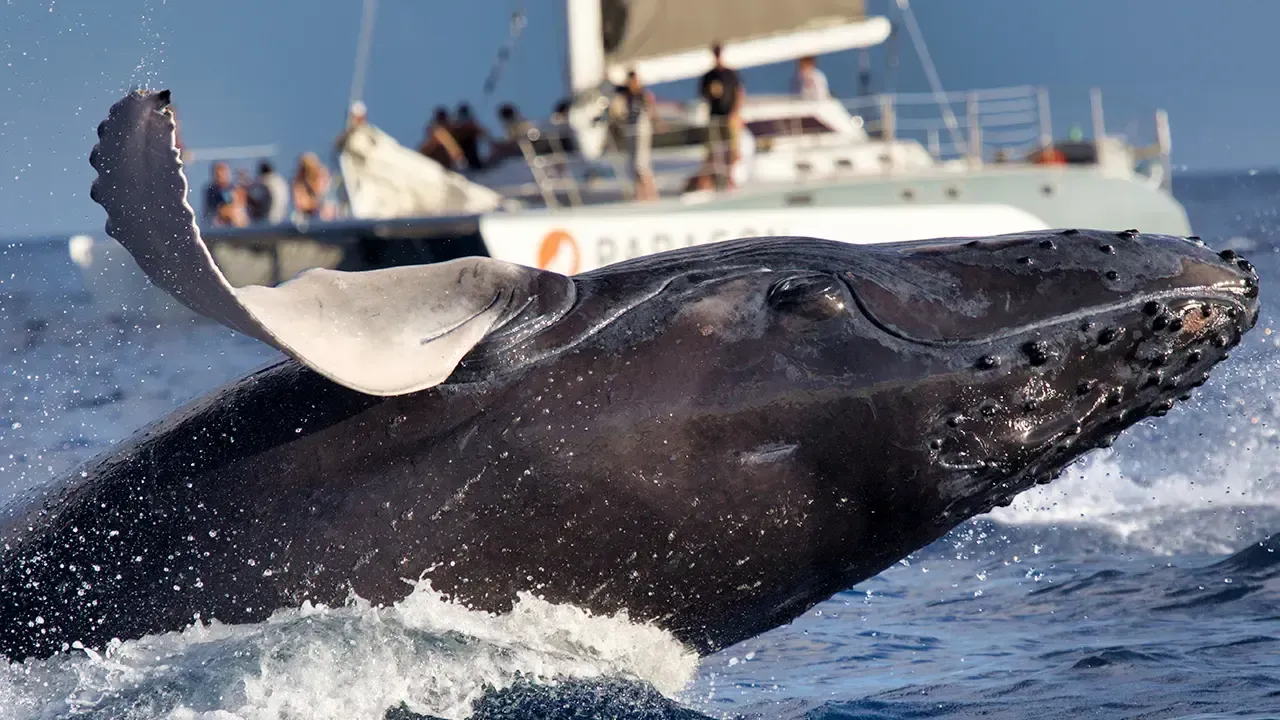
Maui is our starting recommendation for travelers choosing an island specifically for humpbacks. The shallow waters around Maui and neighboring islands make it a well-established whale watching destination.
However, all four main visitor islands offer seasonal viewing. If your vacation is already booked on Oahu, Kauai, or the Big Island, look at nearby options before adding the expense and travel time of an interisland flight.
Whale Watching on Maui
Maui’s waters are especially well suited to seasonal whale watching, including the ʻAuʻau Channel between Maui and Lānaʻi. Humpbacks use this area during their winter breeding season, and visitors can watch from both boats and the coastline.
When comparing tours, look at departures from Māʻalaea Harbor and Kāʻanapali. Pay attention to boarding arrangements and the boat itself. Some excursions load from a harbor, while others require passengers to walk into the water to board from the beach.
Shore viewing is another reason Maui works well for a whale-focused trip. McGregor Point and the beaches around Kāʻanapali offer opportunities to scan offshore. Visitors staying around Kīhei and Wailea can also watch from the coast between other activities.
Bring binoculars even if you’ve booked a boat tour. You may spot a distant blow while walking along the beach or stopping at an overlook.
Whale Watching on Oahu
Oahu makes it easy to add whale watching to a vacation that also includes beaches, hiking, dining, and sightseeing. Seasonal cruises depart from southern and western harbors, giving visitors several options.
Check the departure location before booking. A tour marketed to Waikiki visitors may involve a drive to another part of the island, so factor in transportation and check-in time.
For land-based viewing, the Makapuʻu Point Lighthouse Trail is a useful option. Its elevated coastal views give you room to scan for humpbacks during the season. The paved trail climbs uphill and is exposed to the sun, so bring water and take time to stop along the way.
Coastal overlooks near Diamond Head can also offer sightings. If you’re planning a day along the southeastern coast, our Oahu travel guide can help you connect these stops with other nearby attractions.
Whale Watching on Kauai
Kauai offers both dedicated whale watches and longer coastal excursions that may include humpback sightings. Your choice depends on whether you want to spend a couple of hours looking for whales or make a coastal adventure the focus of your day.
Kauai Sea Tours offers a two-hour Whale Watching Cocktail Tour aboard ʻImiloa from December through March. Departing from Port Allen, the excursion follows Kauai’s South Shore. Padded seating, partial shade, restrooms, and onboard hydrophones are useful features for visitors comparing boats. This particular tour focuses on South Shore whale watching.
For a longer outing, Na Pali Riders offers its four-hour Nā Pali Coast Sea Caves Raft Expedition + Snorkel, departing from Kikiaola Small Boat Harbor near Waimea. The excursion operates year-round, with seasonal opportunities to see humpbacks from December through April. It’s an active raft trip, with cave entry and snorkeling dependent on ocean conditions.
Winter weather is an important part of planning a Kauai boat tour. Swells can affect access to the Nā Pali Coast, and captains may adjust routes. Review the operator’s physical requirements and choose an outing you would still enjoy if the day’s conditions change the itinerary.
For shore viewing, try Poʻipū Beach or the Kapaʻa Overlook. Kīlauea Point offers an elevated vantage point, though a visit requires checking the refuge’s reservation requirements and current access information. Our Kauai travel guide covers more places to explore around your time on the water.
Whale Watching on the Big Island
Hawaii Island offers seasonal whale watching along the Kona and Kohala coasts. If you’re staying on the west side, compare nearby departures to find an outing that fits comfortably into your day.
Travel distances deserve attention here. Check the harbor location against your accommodations before reserving an early departure, especially if you’re staying around Hilo or elsewhere on the east side.
For a land-based option, Puʻukoholā Heiau National Historic Site near Kawaihae provides coastal views in an important cultural setting. The National Park Service notes that humpbacks are commonly sighted offshore from December through April. Stay on designated paths and respect restricted areas around the heiau.
You may also see whales along other stretches of the Kohala Coast and in Hilo Bay. When planning a longer stay, our Big Island travel guide can help you group activities by area and cut down on driving time.
Can You See Whales From the Shore?
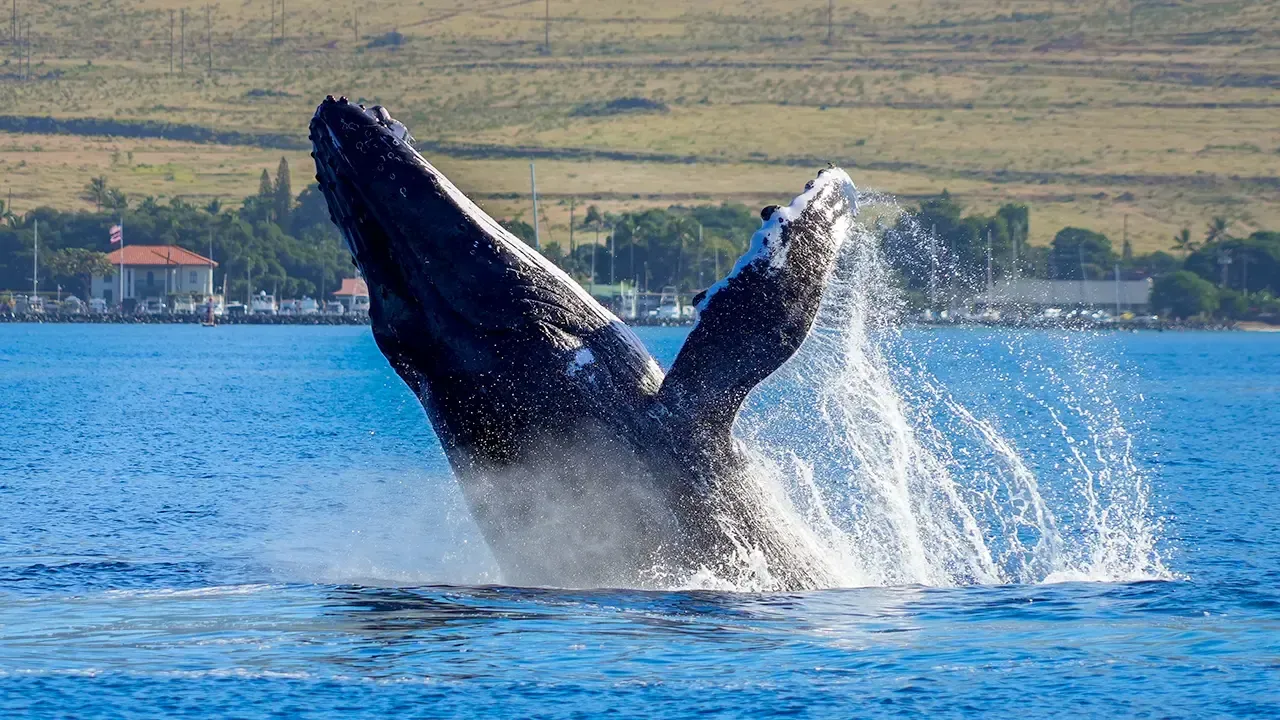
Yes. Hawaii’s coastal lookouts and beaches can offer good viewing during humpback season, particularly when you have a clear view of the ocean and time to linger.
Start by scanning with your eyes. Look for a brief plume of mist, a dark back breaking the surface, or a splash that stands out from the waves. Once you notice activity, use binoculars to watch that area more closely.
Patience helps. A whale may surface several times and then disappear beneath the water, so a lookout's glance may miss nearby activity. Find a comfortable place to watch rather than moving on immediately.
Use designated parking, stay behind barriers, and keep away from wave-washed rocks and cliff edges. If you spot activity while driving, wait until you can pull over safely before looking.
What Can You Expect to See on a Whale Watching Tour?
Humpbacks are the focus of Hawaii’s seasonal whale watching tours. Although other whale species occur in Hawaiian waters, a summer wildlife excursion comes with different expectations from a winter humpback watch.
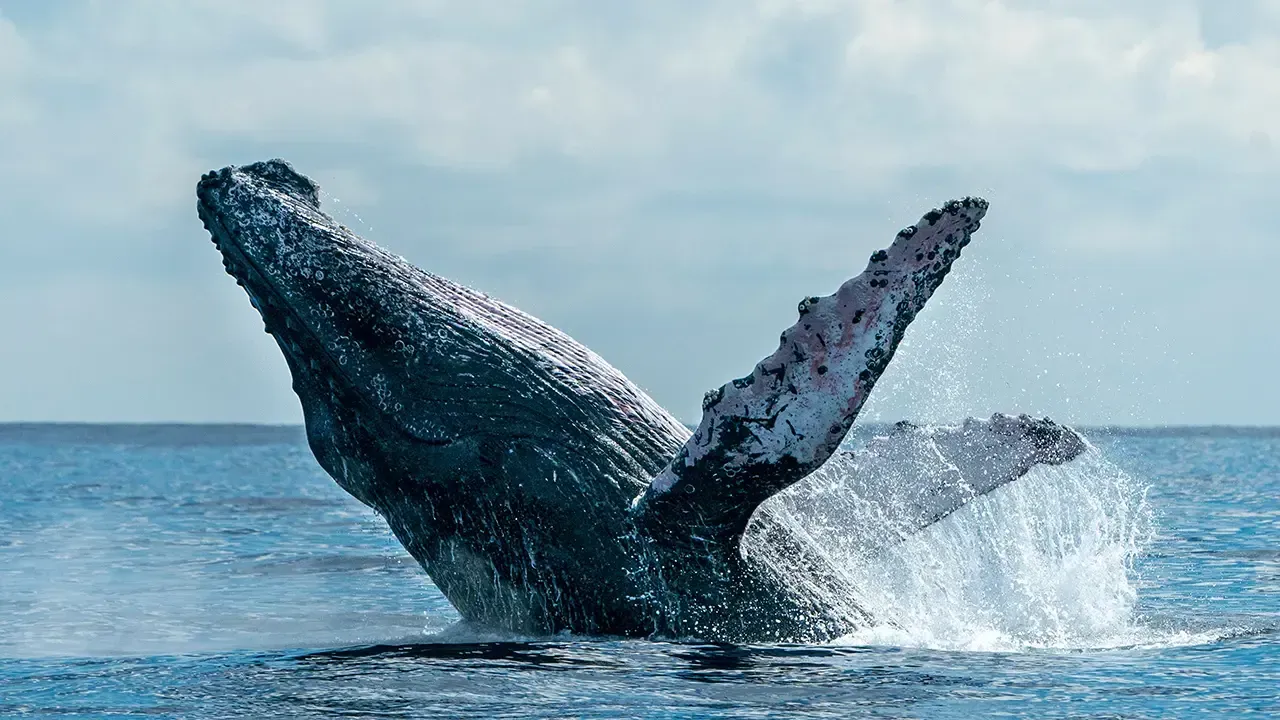
The most recognizable behavior is a breach, when a whale launches part of its body out of the water and lands with a splash. You might also see:
- Blows: Visible plumes as whales exhale at the surface.
- Tail slaps: A whale lifting its tail and striking the water.
- Flipper slaps: Long pectoral fins hitting the surface.
- Fluke-up dives: The tail rising as a whale begins to dive.
- Mother-and-calf pairs: A calf swimming or surfacing close to its mother.
Some boats carry hydrophones that allow passengers to listen to underwater whale sounds. Ask whether this is part of the excursion if you want to hear whale song.
Every encounter is different. Watching a whale surface, breathe, and dive can be just as absorbing as a more active display, and no tour can promise a breach.
How to Choose a Whale Watching Tour
Start with the purpose of the outing. A dedicated whale watch concentrates on finding and observing whales, while a snorkeling or sightseeing cruise follows a broader itinerary. If whales are your main priority, choose a trip that makes them the focus.
Next, consider which vessel best suits your group. Larger boats may offer more seating, shade, and restrooms. Rafts provide open views close to the water, but the ride can involve substantial movement and spray. Check the specific boat’s features rather than relying on its category alone.
Before reserving, confirm:
- Departure and check-in locations: They may be different, and transportation is not always included.
- Boarding arrangements: Harbor boarding, beach boarding, and raft entry involve different physical demands.
- Passenger requirements: Check minimum ages and restrictions related to pregnancy, mobility, back or neck conditions, and recent surgery.
- Total cost and inclusions: Compare taxes, fees, refreshments, equipment, and transportation.
- Cancellation and sighting policies: Understand what happens if weather cancels the trip or no whales are seen.
A sighting guarantee generally describes a remedy, such as another trip under specified conditions. Read the terms and consider whether your schedule would allow you to return.
What Should You Wear and Bring?
Dress for wind and spray as well as sunshine. A breathable shirt and light windbreaker are useful even when the weather feels warm on land.
Bring sunglasses, a secure hat, sunscreen that meets local requirements, and a camera or phone protected from water. Binoculars can help with distant sightings, particularly from shore. Check whether the operator supplies drinking water and snacks before packing your own.
Follow the company’s footwear instructions. Some boats operate barefoot, while beach boarding may require walking through shallow water. For a raft excursion or a snorkeling trip, a towel and dry layer can make the return ride more comfortable.
If you are prone to motion sickness, plan with a pharmacist or clinician before departure.
How to Watch Whales Responsibly
Federal law prohibits approaching humpback whales within 100 yards in Hawaii, including by boat, kayak, paddleboard, or while swimming. NOAA’s marine wildlife viewing guidance explains the requirements.
Choose an operator that respects these distances and explains its viewing practices. Give the crew room to manage the encounter, and use binoculars or a camera’s zoom instead of asking to move closer.
If a whale approaches the boat on its own, stay aboard and follow the captain’s instructions. Never attempt to touch, feed, pursue, or swim toward a whale.
A tour that includes snorkeling takes passengers to suitable snorkeling sites when conditions allow. It does not provide an opportunity to enter the water with humpbacks.
Make Whale Watching Part of Your Hawaii Trip
For the strongest seasonal opportunity, plan around January through March and choose an outing near where you’re staying. Match the boat to your group’s comfort and abilities, leave room for weather changes, and keep binoculars handy when spending time along the coast.
Whether you choose a dedicated cruise, a Kauai raft adventure, or an afternoon at a coastal overlook, give yourself time to watch. Some of the most interesting moments begin with a small change on the surface.
Explore our Hawaii tours and activities to find experiences that fit the rest of your itinerary.