Oahu Travel Guide: Best Things to Do, See & Eat
Oahu squeezes dramatic volcanic ridgelines, world-class surf, living Hawaiian culture, and a bustling urban food scene into one easily explored island — perfect for every kind of traveler. This guide gives straightforward, practical tips on what to do, where to see the island’s icons, and how to eat like a local. Use the itinerary suggestions here whether you’ve got a long weekend or two weeks: we cover must-see attractions and booking or timing advice, neighborhood food highlights for authentic Hawaiian and island‑fusion flavors, beaches and water activities matched to skill level, plus hiking routes and smart logistics for getting around. We also focus on visitor needs for the current travel, including seasonal notes like whale‑watching windows and high‑surf patterns, and offer safety and conservation pointers so your visit respects fragile marine and cultural sites. Read on for quick lists and comparison tables that speed decisions, followed by practical planning tips to turn ideas into a smooth Oahu itinerary.
This Week Hawaii is a local visitor guide and publisher connecting travelers with island businesses and experiences across the Hawaiian Islands. As a trusted local resource, we curate timely recommendations for activities, dining, sightseeing, and shopping, so you can prioritize authentic experiences without hunting through dozens of sources. Use these picks to map activities to neighborhoods and travel days, and consider our printed or downloadable island guides when you want offline reference on excursions.
What Are the Must-See Attractions and Landmarks in Oahu?
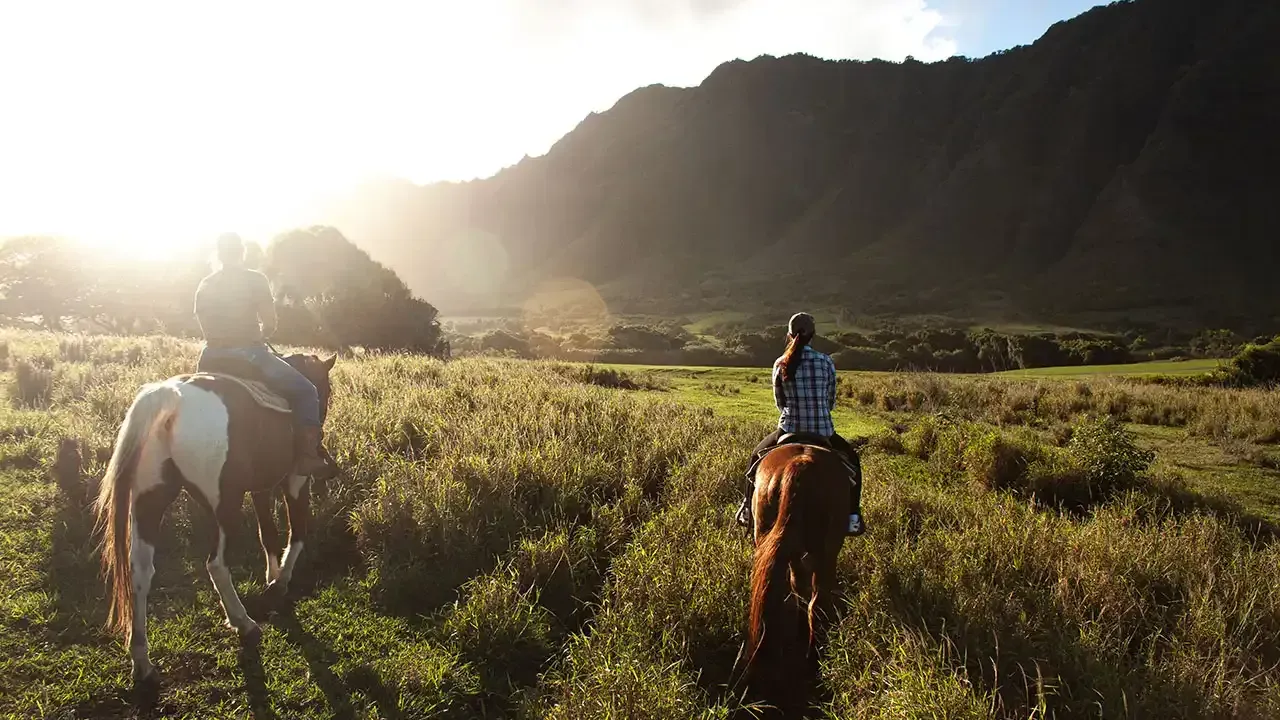
Oahu’s top sights run the gamut from solemn historic places to dramatic natural lookouts and family‑friendly ranch adventures, each with a clear reason to visit. These highlights teach, entertain, and offer memorable photo ops: Pearl Harbor National Memorial tells pivotal WWII stories, Diamond Head rewards a short climb with sweeping coastal views, Waikiki anchors beach life and city excitement, Kualoa Ranch showcases island scenery and outdoor tours, and the Dole Plantation offers lighthearted agritourism. Knowing why each spot matters helps you plan days, pick the best visit windows, and avoid crowds so everyone can enjoy these places.
Below is a compact comparison table to help you pick attractions by type, why to visit, and the best time to go.
| Attraction | Type | Best Time to Visit |
|---|---|---|
| Pearl Harbor National Memorial | Historic / Museum | Early morning or late afternoon; reserve tickets ahead of time |
| Diamond Head | Scenic Hike | Arrive at dawn for cooler air and clearer views, reservations needed |
| Waikiki Beach (and Kapiolani Park area) | Urban beach / Activities | Daytime for lessons and rentals; late afternoon for sunsets |
| Kualoa Ranch | Outdoor tours / Filming sites | Weekdays or morning tours to avoid big groups |
| Dole Plantation | Agritourism / Short Visit | Midday; easy to combine with a North Shore drive |
Why Visit Pearl Harbor National Memorial?
Pearl Harbor National Memorial preserves crucial WWII history, centered on the USS Arizona Memorial and nearby interpretive museums that explain the Pacific conflict and its human impact. A visit offers respectful, educational exhibits and memorial spaces; we recommend pre‑booked reservations to manage timed entry. Expect security checks and guidelines for decorum, plus interpretive films and displays that can extend a visit into a multi‑hour experience. To make the most of your time, allow extra minutes for site queues and consider pairing Pearl Harbor with a nearby Honolulu museum or an afternoon exploring the city.
What Activities Can You Enjoy at Waikiki Beach?
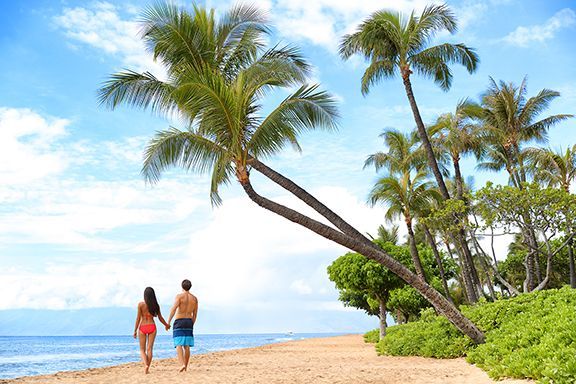
Waikiki is Oahu’s activity hub: you can take beginner surf lessons on gentle breaks, sign up for catamaran sails and sunset cruises, rent stand‑up paddleboards for calm mornings, or simply relax on the sand with quick access to restaurants and shops. The area’s lifeguarded beaches, rental shops, and urban conveniences make it ideal for families and first‑time water‑sport learners, while sunsets framed by Diamond Head attract photographers and couples. For surf lessons, mornings usually offer smaller crowds and calmer water; when you’re done, Kapiolani Park and nearby dining make it easy to move from activity to a relaxed meal.
Where Can You Find the Best Places to Eat in Oahu?
Oahu’s food scene covers traditional Hawaiian cooking, plate‑lunch culture, food trucks, shave ice stands, and elevated island‑fusion restaurants, with neighborhood pockets that specialize in each style. Planning meals by area helps: Waikiki for tourist‑convenient dining, North Shore for food trucks and casual beach fare, Kailua for local cafés and poke, and Honolulu neighborhoods for chef‑driven concepts. The table below compares representative spots, signature items, and typical price ranges so you can choose by proximity and taste.
| Spot / Neighborhood | Signature Dish / Item | Typical Price Range |
|---|---|---|
| Waikiki eateries | Poke bowls and classic Hawaiian plate lunches | Moderate |
| North Shore food trucks | Garlic shrimp plates and local favorites | Budget to Moderate |
| Kailua cafes | Fresh seafood and island-style breakfasts | Moderate |
| Honolulu | Chef-driven fusion and contemporary Hawaiian | Moderate to Higher |
Oahu restaurants offering authentic Hawaiian cuisine include:
- Neighborhood plate‑lunch counters: Hearty combos of meat and sides that showcase local comfort food and poke traditions.
- Family‑run Hawaiian diners: Serving laulau, kalua pig, and poi — recipes passed down through generations.
- Local seafood and poke shops: Focused on fresh, island‑caught fish and classic Hawaiian seasonings.
Which Oahu Restaurants Offer Authentic Hawaiian Cuisine?
Authentic Hawaiian food highlights local fish, taro‑based dishes, and slow‑cooked favorites like kalua pig and laulau, all carrying cultural meaning and deep flavor. Look for family‑run counters and small shops that keep traditional plate‑lunch items and poke front and center — these places often preserve recipes and techniques handed down over time. To avoid lines, try off‑peak meal hours; reservations are rare at many local spots, so plan meals around your sightseeing or be ready for a short wait at popular counters.
A few of our recommended authentic Hawaiian Cuisine restaurants are:
What Are the Top Food Trucks and Shave Ice Spots on the North Shore?
The North Shore food truck scene complements surf breaks and beach days with garlic shrimp plates, Korean‑influenced dishes, and island‑style desserts that fuel long days on the sand. Shave ice stands serve layered syrups with optional condensed milk or azuki beans, a perfect cooldown after surfing or cruising the coast. Wait times vary with season and weekend traffic, so aim for mid‑afternoon or earlier to dodge the longest lines, and note that some vendors prefer cash or local payment methods. Pair a food truck lunch with a nearby beach stop to maximize convenience and local flavor.
Some of our favorite food trucks and shaved ice are:
What Are the Best Beaches and Water Activities to Explore in Oahu?
Each Oahu beach suits different activities — snorkeling, swimming, kayaking, or big‑wave surfing — so matching your desired activity to the beach improves the experience and protects marine life. Hanauma Bay is famous for snorkeling and reef viewing, Lanikai is prized for calm waters and sunrise kayaking, and the North Shore is the place for big waves in winter and relaxed sunbathing in summer. Pay attention to seasonal conditions and reef‑protection rules, plan by activity, and use reef‑safe sunscreen to minimize ecological impact while you enjoy the water.
The list below pairs top beaches with their best activities for quick planning:
- Hanauma Bay: Snorkeling and reef observation — note conservation rules and visitor limits are in place.
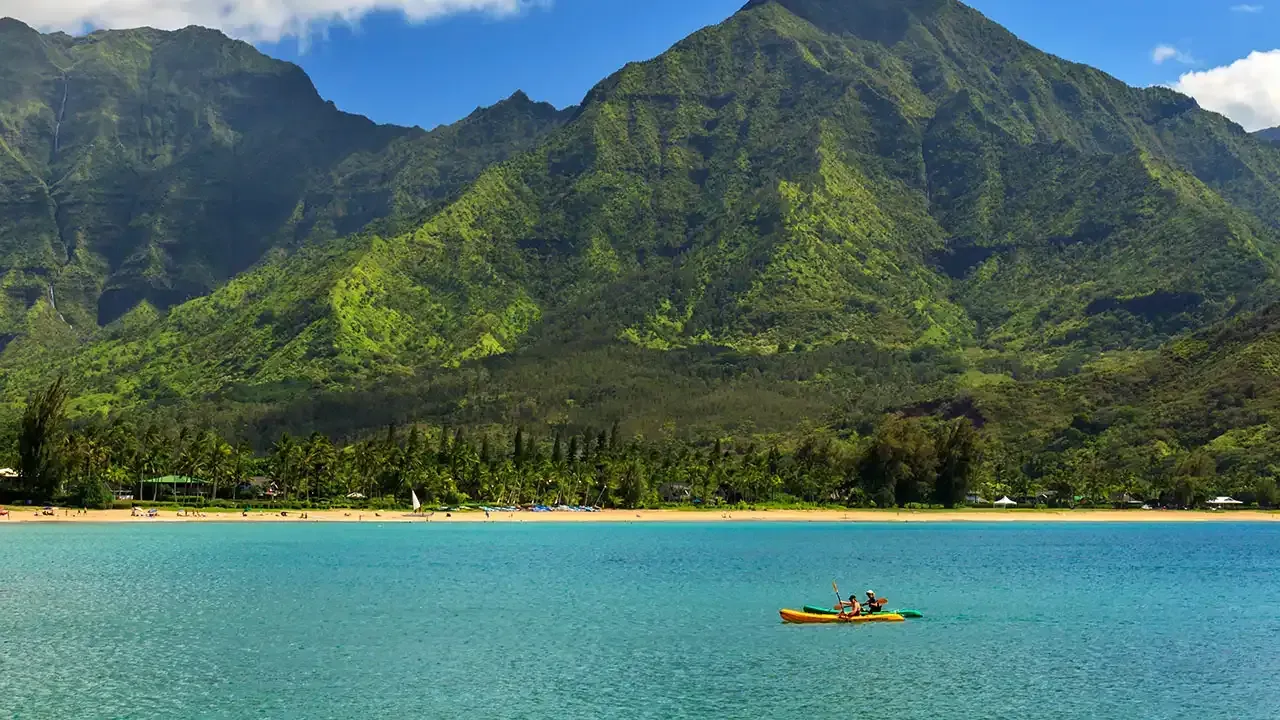
- Lanikai Beach: Calm kayaking, sunrise views, and sheltered swimming.
- North Shore beaches: World‑class big‑wave surfing in winter; laid‑back summer beach days.
How to Experience Snorkeling at Hanauma Bay and Other Top Spots?
Hanauma Bay is a protected marine conservation area known for excellent snorkeling and clear reefs; it operates with visitor guidelines and often requires reservations or timed entry to protect the ecosystem. If you’re new to snorkeling, arrive early for calmer waters and better visibility, use reef‑safe sunscreen, and follow on‑site briefings — don’t touch coral or feed fish.
If Hanauma is closed, try sheltered leeward coves or join a small guided snorkel tour for gear and local knowledge. Practical tip: wear gear that fits well and plan snorkeling for mid‑morning when light and sea conditions are often best.
What Makes Lanikai and North Shore Beaches Ideal for Surfing and Sunsets?
Lanikai’s calm turquoise water suits paddleboarding, kayaking, and tranquil sunrise sessions, while the North Shore turns into a world‑class big‑wave arena in winter, drawing experienced surfers and spectators. Choose Lanikai for gentle water exercise and first‑light photography; head to the North Shore for surf culture, advanced lessons, or watching pros in action during the big‑swell season. Always heed currents, seasonal swell warnings, and local signage — match your skill level and timing to the beach’s conditions. For sunset photos, many North Shore vantage points and west‑facing beaches deliver dramatic silhouettes as the day ends.
Which Hiking Trails and Outdoor Adventures Should You Try in Oahu?
Oahu’s trails range from short family walks to steep climbs with big rewards. Picking routes by fitness level and daylight hours makes hikes safer and more enjoyable. Popular options — Diamond Head, Makapu’u Lighthouse, Manoa Falls, and Koko Head — offer varied terrain and views; more experienced hikers can explore lesser‑known ridgelines for solitude. Prep with proper footwear, sun protection, water, and by checking trail closures after heavy rain, since tropical weather can affect safety. Here are a few practical hiking tips to remember.
- Start early: Cooler temperatures and fewer people make mornings best.
- Bring proper footwear: Sturdy shoes reduce slips on rocky or muddy sections.
- Check trail status: Recent rain can close trails or make them hazardous.
What Are the Highlights of the Diamond Head and Makapuu Lighthouse Hikes?
The Diamond Head trail is a short, steep climb that rewards you with sweeping views of Waikiki and Honolulu from the crater rim; Makapuu Lighthouse trail is a gradual, paved path with coastal panoramas and seasonal whale‑watching lookouts. Diamond Head has stair sections and elevation gain that need moderate fitness and an early start to beat the heat; Makapuu is more family‑friendly and great for sunrise or midday vistas with less technical demand. Parking and transit differ — Diamond Head fills up by mid‑day and reservations are needed, so plan ahead — while Makapuu’s trailhead has limited parking and benefits from carpooling or shuttle planning. Check visibility forecasts for the clearest views.
How to Explore Manoa Falls and Koko Head Crater Trails Safely?
Manoa Falls is a rainforest walk to a scenic waterfall but gets slippery after rain — wear grippy shoes and don’t get too close to the pool edge.
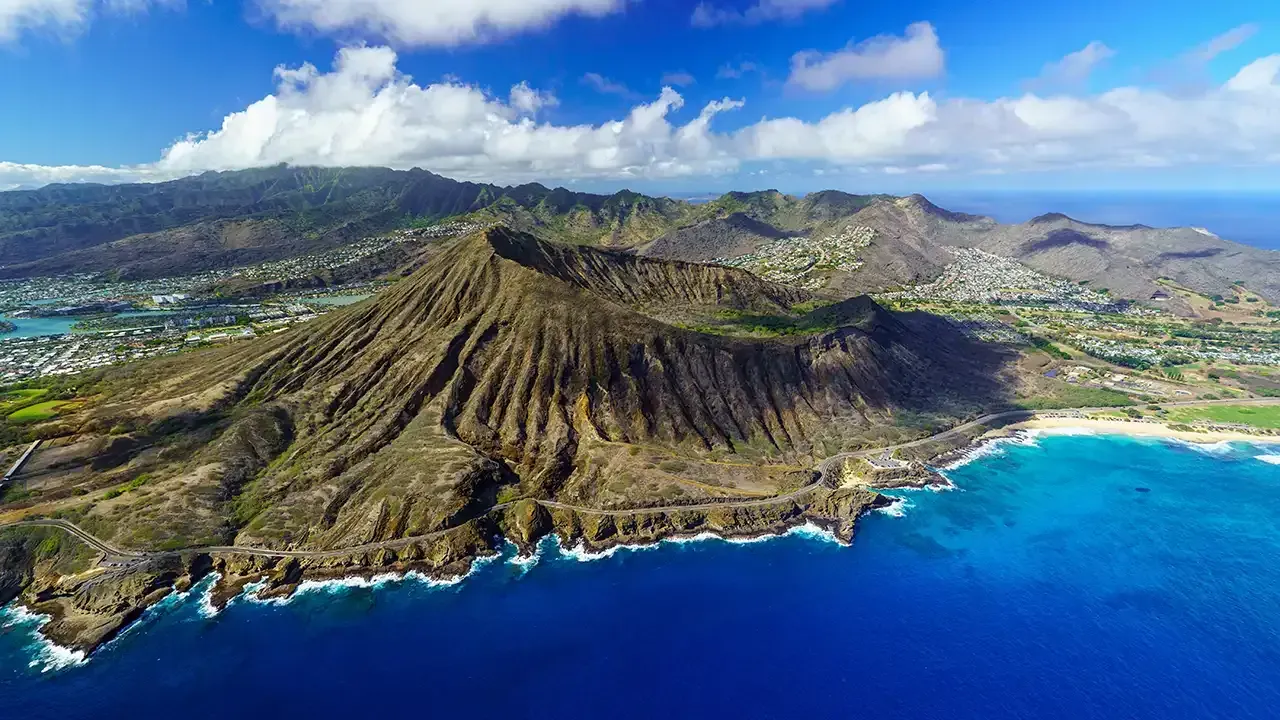
Koko Head Crater is a strenuous climb up railroad‑tie steps to a commanding summit, so bring lots of water, sun protection, and honestly assess fitness before you start.
For both trails, check current conditions at visitor centers or local updates, stay on marked paths, and avoid shortcuts that damage vegetation. If trails are muddy or closed, choose lower‑impact options like botanical garden walks or guided nature tours that protect access while keeping the landscape intact.
How Can You Plan Your Oahu Trip: Accommodation, Transportation, and Travel Tips?
Smart trip planning ties neighborhoods, transport mode, and daily priorities together so you see more and spend less time in transit. Match where you stay to traveler type — Waikiki for convenience and amenities, North Shore for surf and slower pace, Kailua for family beaches and cafés, and Honolulu neighborhoods for dining and transit access. Compare transport: rental car, public buses, shuttles, and guided tours — weigh cost, convenience, and parking — to decide if you need a rental. The table below quickly links areas to traveler profiles to help pick accommodations that fit your goals.
| Area | Best For | Notes |
|---|---|---|
| Waikiki | Convenience, first-time visitors, nightlife | Central to beaches, lessons, and dining |
| North Shore | Surf culture, relaxed stays, scenic drives | Limited nightlife; ideal for multi-day surf focus |
| Kailua | Families, sunrise beach mornings, local cafes | Great for calm waters and neighborhood dining |
| Honolulu | Food-focused travelers, transit connectivity | Best for chef-driven dining and museums |
What Are the Best Areas to Stay in Oahu for Different Traveler Types?
Where you stay should match what you want to do — beach access, nightlife, local culture, or quiet surf towns — and each area has its own accommodation styles and budgets. Waikiki is ideal for easy beach access, lessons, and lots of dining within walking distance; the North Shore suits surfers and those wanting a slower pace; Kailua offers family‑friendly mornings and neighborhood cafés; and central Honolulu puts you close to museums and chef‑led restaurants. Think about lodging type — full‑service resorts, vacation rentals for groups, or small inns for local character — and plan connections to main attractions when you book. Aligning neighborhood choice with your daily plans keeps your itinerary efficient.
How to Get Around Oahu Efficiently and Affordably?
Getting around efficiently depends on trip length and plans: short stays based in Waikiki can use public transit, rideshares, and shuttles, while longer itineraries that include the North Shore or remote beaches are often easier with a rental car. Parking is limited in popular areas, so look for accommodations with parking included or use park‑and‑ride and shuttle options for busy attractions. To save time and money, travel off‑peak, buy multi‑day transit passes if you’ll rely on buses, and group nearby sights to avoid back‑and‑forth drives. If convenience matters most, guided tours include transport, local insight, and sometimes skip‑the‑line advantages worth the cost on a tighter schedule.
- Packing tips: Bring reef‑safe sunscreen, a light rain jacket for sudden showers, and reef‑friendly footwear for rocky beach entries.
- Timing: Aim for at least 4–7 days to cover highlights at a relaxed pace; add more time for surf‑focused trips or multi‑day hikes.
- Cultural courtesy: Follow signage at historic and cultural sites, respect conservation rules, and ask before photographing people or cultural practitioners.
These practical items tie planning priorities into steps that reduce friction during your trip and help protect natural and cultural resources for future visitors.
Frequently Asked Questions
What is the best time of year to visit Oahu?
The sweet spots are mid‑April to June and September to mid‑December — pleasant weather and smaller crowds. Summer is busier and hotter, while winter brings bigger surf and more rain in places. If whale watching is on your list, plan between December and April when humpback whales are in Hawaiian waters.
Are there any cultural customs I should be aware of while visiting Oahu?
Yes, local customs matter. "Aloha" is more than a hello; it’s an attitude of respect and care. Ask before photographing people or sacred sites, follow posted guidelines at cultural places, and be mindful of your surroundings. In some homes and sacred spaces you may be expected to remove shoes. Observing these courtesies enriches your visit and shows respect for the community.
What are some family-friendly activities in Oahu?
Oahu has plenty for families: the Honolulu Zoo and Waikiki Aquarium are educational and easy to visit, the Dole Plantation offers a train and garden tours, and beaches like Lanikai and Kailua are great for swimming and kayaking. Kualoa Ranch has family‑friendly tours, ATV rides, and movie‑site tours. These options make for memorable, kid‑friendly days.
How can I stay safe while hiking in Oahu?
Preparation keeps hikes safe. Check trail conditions before you go, heavy rain can make paths slippery or close them. Wear sturdy shoes, bring plenty of water, sun protection, and snacks. Hike with others when possible and tell someone your plan. Start early to avoid heat, choose trails that match your fitness, and stay on marked routes to protect both yourself and the environment.
What should I know about snorkeling in Oahu?
Snorkeling is a great way to see marine life, but protect the reef: use reef‑safe sunscreen and follow local rules. Hanauma Bay is a top spot but often requires reservations and has strict guidelines. Arrive early for calmer water and better visibility. If you’re new to snorkeling, consider a guided tour for gear and safety tips, and never touch or chase marine life.
Are there any local events or festivals I should check out during my visit?
Yes, Oahu hosts many community events year‑round. The Honolulu Festival in March celebrates cultural exchange with parades and performances; the Aloha Festivals in September feature Hawaiian music, hula, and a grand parade. Farmers' markets are also great for local produce and crafts. Check our event calendar before you travel to catch events that match your interests.