What You Should Know About Snorkeling in Hawaii
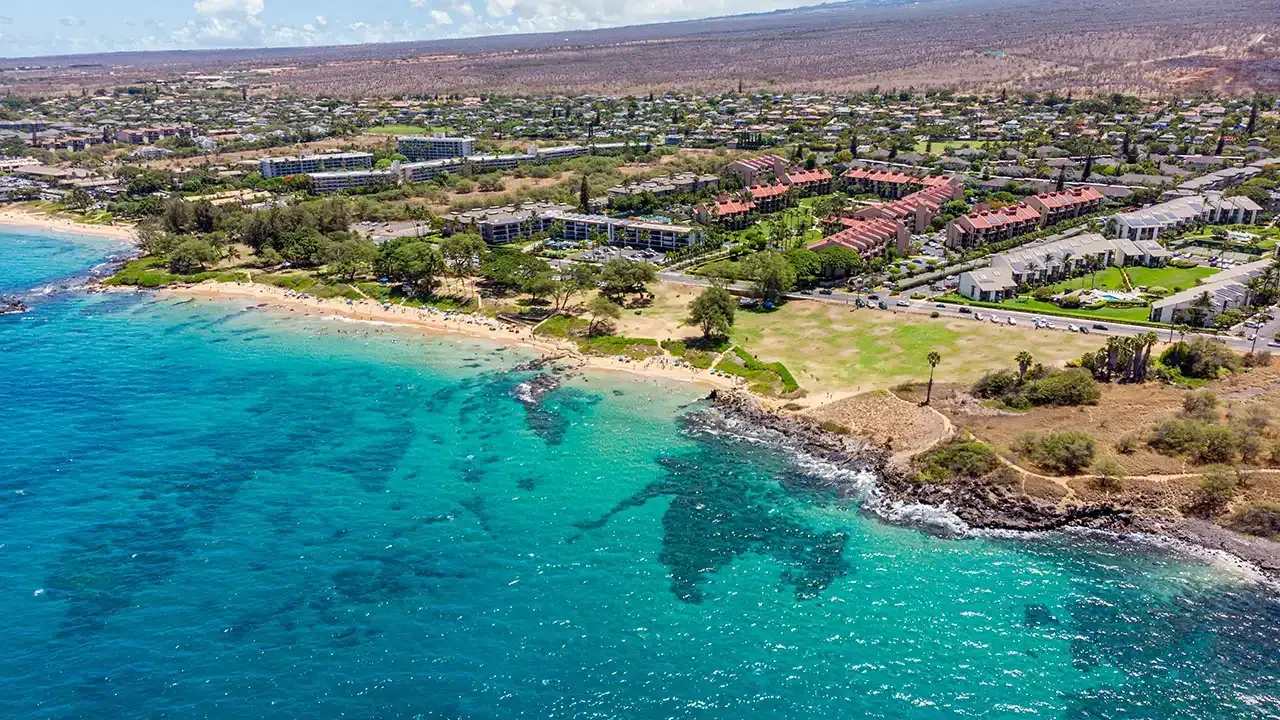
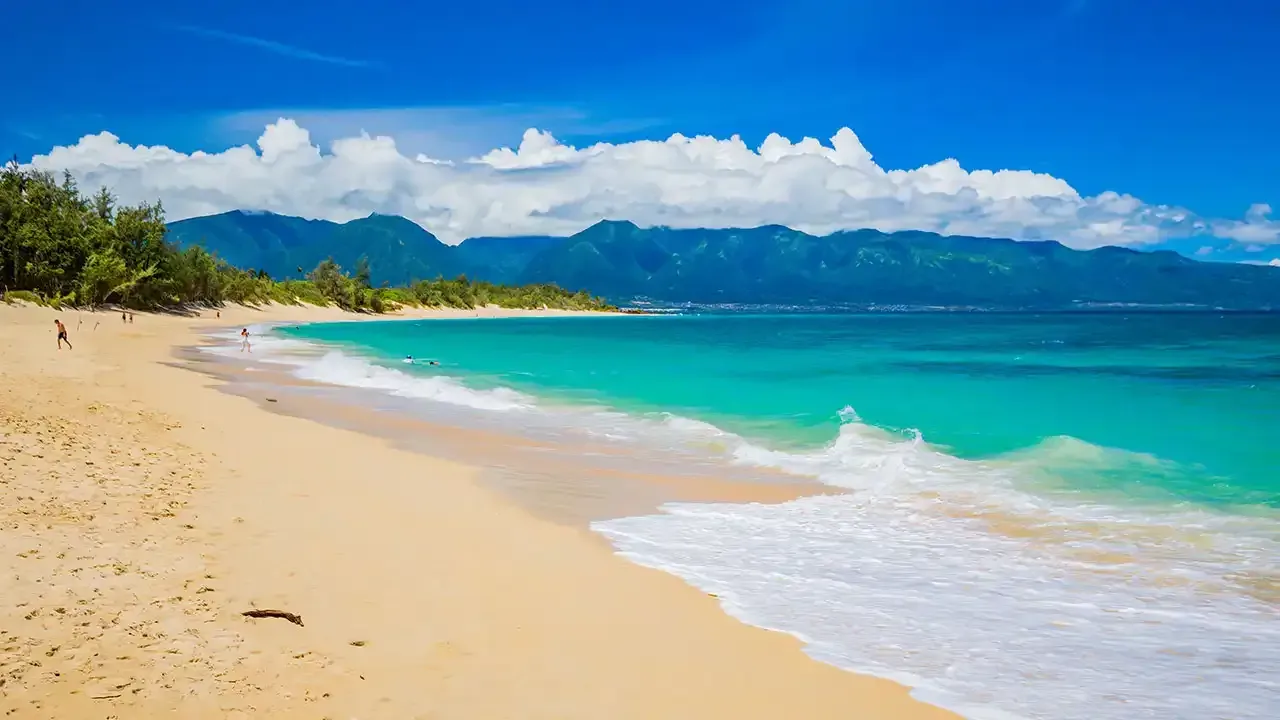
Snorkeling in Hawaii is one of those experiences that stays with you long after you’ve dried off. The islands’ warm, clear waters are home to coral reefs teeming with tropical fish, sea turtles, and a variety of other marine life.
Whether you’re a beginner testing out your first mask or a seasoned snorkeler chasing reef walls, Hawaii offers some of the best snorkeling conditions in the world. But before you grab your fins and jump in, it helps to understand what makes each island unique, how to snorkel safely, and how to protect the fragile ecosystems beneath the surface.
Read our complete guide to making the most of snorkeling during your visit to the Hawaiian Islands.
Best Snorkeling Spots in Hawaii
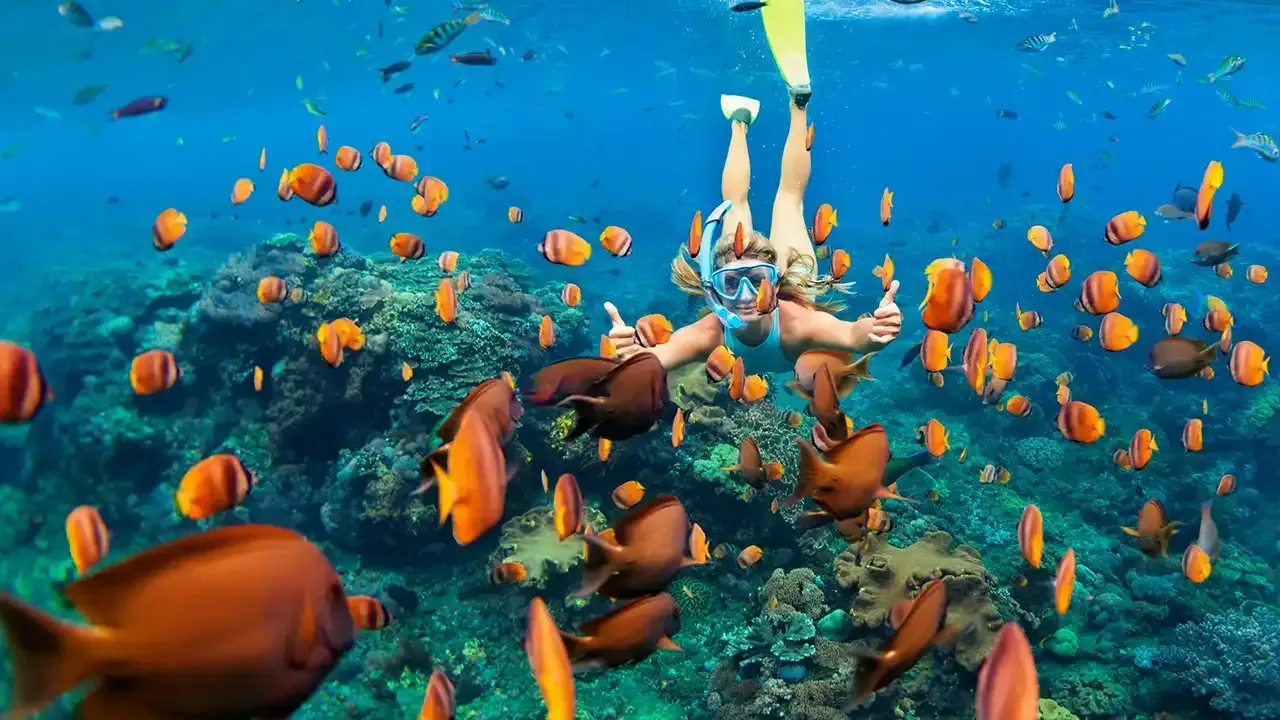
Each island offers something unique underwater. Some beaches are perfect for beginners, while others reward more confident swimmers with deep coral gardens and pelagic life offshore.
Oahu
- Hanauma Bay Nature Preserve: Hanauma Bay is Hawaii’s most famous snorkeling destination, known for calm water, thriving marine life, and easy access. It’s a protected marine sanctuary where visitors must watch a short video on reef safety before entering. Reservations are required, and early mornings are best for clear visibility and lighter crowds.
- Shark’s Cove (North Shore): Don’t let the name scare you—this North Shore favorite is known for lava formations and reef fish, not sharks. The area is calmest during summer, offering incredible clarity and a diverse array of marine life. Bring reef shoes for the rocky entry. Safety warning: In winter, this location is dangerous due to high surf and strong currents, and the sharp coral can easily cause injury. Always check the local surf report before entering.
Maui
- Molokini Crater: A partially submerged volcanic crater off Maui’s coast, Molokini is one of the best-known snorkeling spots in the Pacific. Accessible only by boat tour, it offers visibility of up to 150 feet and an abundance of reef species, including parrotfish and moray eels.
- Honolua Bay: Located on Maui’s northwest coast, Honolua Bay is surrounded by lush jungle and is part of a Marine Life Conservation District. It’s calmest in summer, with coral reefs close to shore. Enter slowly to avoid stirring up silt and reducing visibility.
Island of Hawaii (Big Island)
- Kealakekua Bay: This historic bay near Captain Cook Monument is home to brilliant coral gardens and spinner dolphins. It’s best accessed by kayak or boat tour to minimize disturbance to the reef. The water here is clear, calm, and teeming with tropical fish.
- Kahaluʻu Beach Park: Just south of Kailua-Kona, Kahaluʻu is a top pick for beginners thanks to shallow depths, easy entry, and lifeguards on duty. The area is full of colorful fish and Hawaiian green sea turtles.
- Manta Ray Village (Keauhou Bay): Located just off the Kona Coast, this is one of the best places in the world to snorkel with manta rays at night. Floating beneath soft lights that attract plankton, snorkelers can watch these gentle giants glide within inches. Always choose a certified, eco-conscious tour operator to ensure both your safety and the well-being of the mantas.
Kauai
- Poʻipū Beach Park: Poʻipū’s calm lagoon, sandy bottom, and lifeguards make it ideal for families. You’ll find schools of butterflyfish, wrasses, and the occasional monk seal resting on the beach.
- Tunnels Beach (Makua): This North Shore site is a favorite among experienced snorkelers for its deep coral formations and tunnels. Conditions are best in summer when the surf is low; avoid going in the winter when swells are strong.
What You’ll See Beneath the Surface
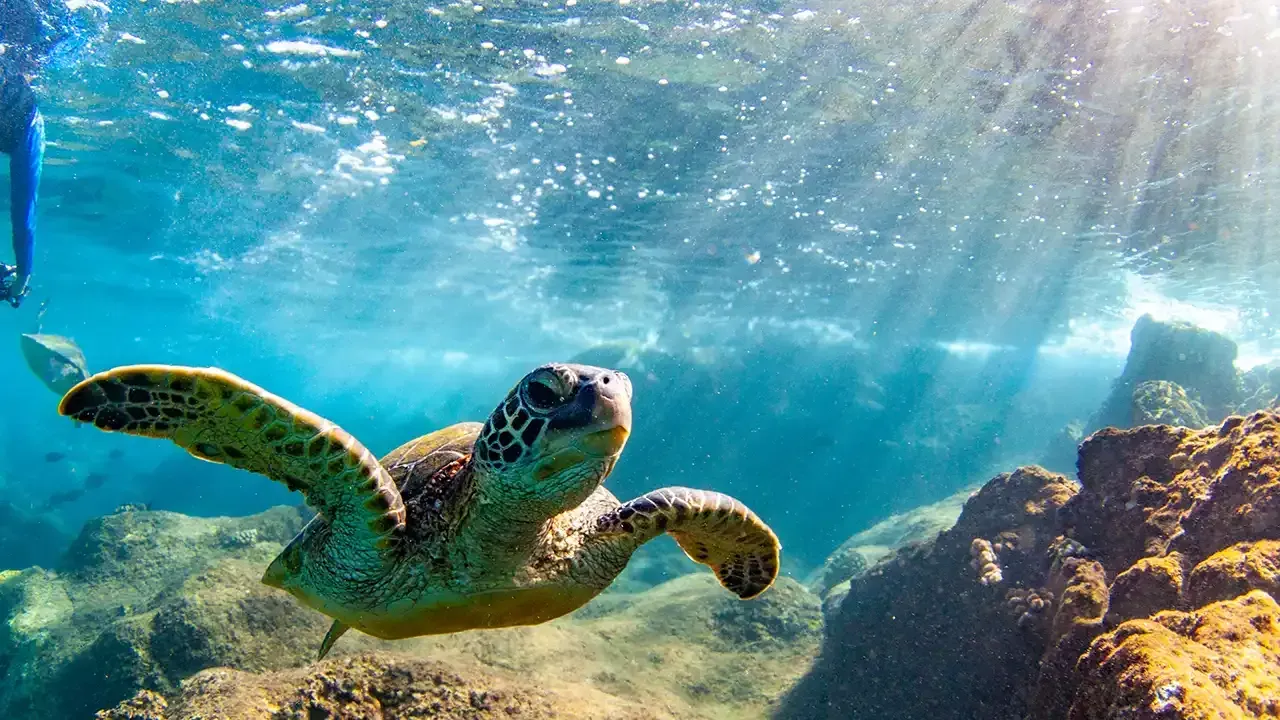
Snorkeling in Hawaii introduces you to a dynamic, colorful ecosystem where every reef teems with life.
- Hawaiian Green Sea Turtles (Honu): Often seen grazing on algae along the reef. These are federally protected animals—look but don’t touch.
- Reef Fish: Expect to see surgeonfish, butterflyfish, tangs, wrasses, and Hawaii’s state fish, the humuhumunukunukuapuaʻa.
- Coral Gardens: Coral polyps create the foundation of Hawaii’s reef system. Common species include lobe, finger, and cauliflower coral.
- Manta Rays and Dolphins: Depending on the island, you may see these gentle giants cruising offshore or resting in deeper water.
What to Bring for Snorkeling
Essential Gear
- Mask, Snorkel, and Fins: A well-fitted mask and a dry-top snorkel prevent water intrusion.
- Rash Guard or Wetsuit Top: Provides UV protection and warmth without relying on excess sunscreen.
- Reef-Safe Sunscreen: Opt for mineral-based sunscreens that contain zinc oxide or titanium dioxide, as these are less likely to harm coral reefs. Hawaii bans harmful ingredients like oxybenzone and octinoxate, so you can find reef-safe sunscreen at almost any grocery and pharmacy store.
- Floatation Device: A snorkel vest or boogie board offers added safety and comfort for long swims.
- Reef Shoes: Useful for rocky entries—just remember to never step on coral.
- Dry Bag: Keep valuables safe from saltwater.
Optional Additions
- Waterproof camera or GoPro for capturing reef life
- Anti-fog solution for your mask
- A microfiber towel for quick drying
- Reusable water bottle to stay hydrated
Snorkeling Safety and Ocean Awareness
Check Conditions First
Hawaii’s ocean can change quickly. Use local weather resources to review surf and current forecasts before heading out, and look for posted warnings. Mornings generally offer the calmest conditions and clearest water. Alternatively, you can learn more about ocean safety in Hawaii here.
Snorkel with a Buddy
Always go with a partner or near a lifeguard. Stay close enough to communicate and assist each other if needed.
Watch for Currents
Rip currents are common near reef channels. If caught in one, stay calm and swim parallel to shore until you are free, then angle back in.
Be Cautious of Jellyfish
A common ocean hazard along Oahu’s South and West shores is the Portuguese Man-of-War, also known as Box Jellyfish. These jellyfish typically appear 8-12 days after a full moon, though they can appear at any time of the year.
Respect Your Limits
Stay in shallow areas if you’re new to snorkeling. If you feel tired, float on your back and rest. Don’t push far from shore if conditions are uncertain.
Protect Marine Life
Observe wildlife respectfully. Never chase or touch animals, and maintain at least 10 feet of space from turtles or monk seals.
When to Snorkel in Hawaii
- Best Time of Day: Early mornings, when winds are light and visibility is clear.
- Best Season: Summer (May–September) brings calmer surf on north shores; winter (November–March) favors south and west-facing beaches.
- Avoid After Rain: Runoff can cloud the water and affect reef health. Wait a day or two for clear conditions to develop.
Guided Tours vs. Snorkeling on Your Own
Why Choose a Guided Tour
- Access to offshore reefs is only reachable by boat
- All gear included and instruction provided
- Knowledgeable guides who understand marine life and conditions
- Safety support in deeper or unfamiliar waters
Why Go on Your Own
- Flexible schedule and lower cost
- Easy access to calm beach-entry spots
- Great option for repeat visits or short sessions near your resort
If you’re a beginner, start with a guided tour to learn safety basics and build confidence. Once you’re comfortable, exploring the beach is simple and rewarding.
How to Protect Hawaii’s Reefs
Practice Good Reef Etiquette
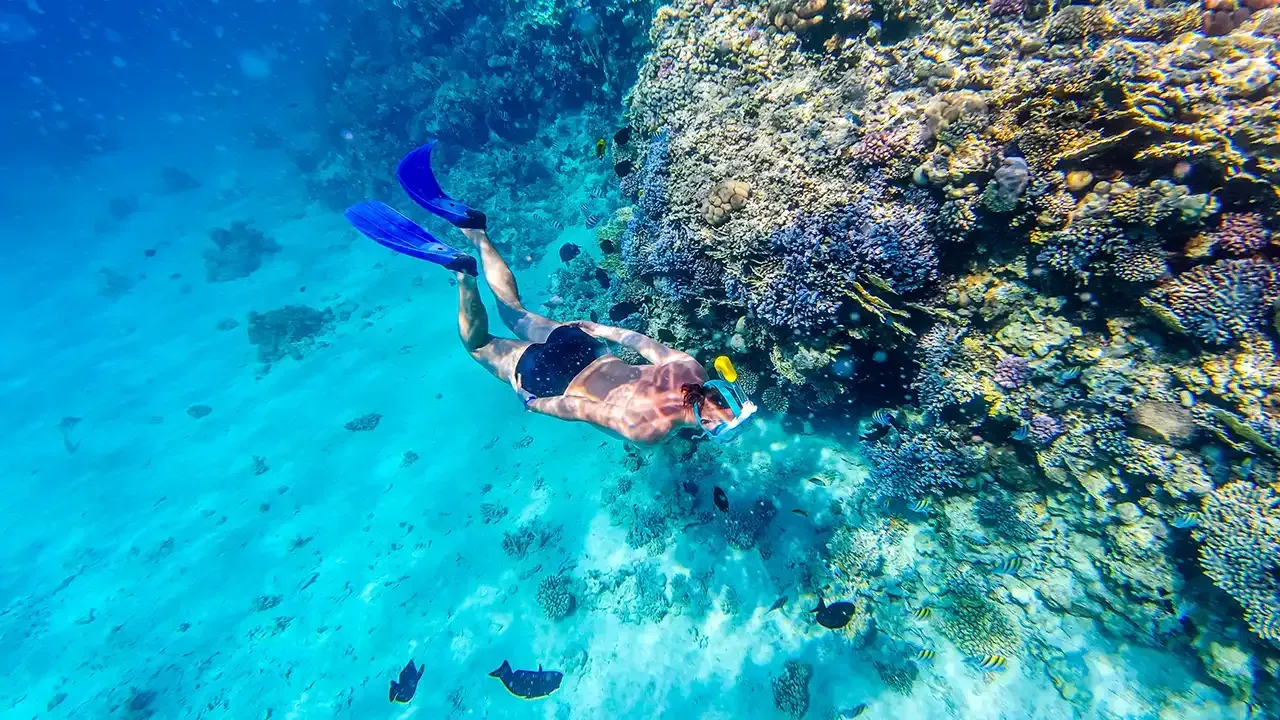
- Never stand or step on coral—it’s fragile and alive.
- Keep fins up and use gentle kicks.
- Avoid feeding fish; it disrupts their diet and behavior.
- Take all trash and personal items with you.
Choose Reef-Safe Products
Use mineral sunscreens or UPF swimwear instead of chemical lotions. Even small amounts of sunscreen runoff can harm coral larvae.
Give Wildlife Space
Turtles, monk seals, and dolphins are protected under federal law. Observe animals from a safe distance and let them move freely in and out of the water. For more on reef preservation, see NOAA’s Coral Reef Conservation Program.
FAQs About Snorkeling in Hawaii
Is snorkeling in Hawaii safe for beginners?
Yes. Many beaches have calm, shallow lagoons perfect for first-timers. Hanauma Bay on Oahu and Kahaluʻu Beach on the Big Island are great options.
Can I snorkel if I’m not a strong swimmer?
Yes. Use a flotation vest and stay close to shore, or consider joining a guided tour for added safety. Lifeguarded beaches are best for those still building confidence.
When is the best time to snorkel?
Mornings are best for calm water and clear visibility. Summer months generally provide gentler conditions.
Are there sharks near snorkel areas?
Reef sharks inhabit Hawaiian waters but rarely approach swimmers. Avoid snorkeling in murky water or near fishing activity.
Can I touch turtles or coral?
No. Both are protected, and contact can cause harm. Always maintain a respectful distance.
Is reef-safe sunscreen essential?
Absolutely. Traditional sunscreens with oxybenzone and octinoxate can damage coral. Hawaii’s reef-safe laws are in place to protect marine ecosystems.
Plan Your Hawaiian Snorkel Adventure!
Snorkeling in Hawaii is one of the easiest and most memorable ways to connect with the islands’ natural beauty. With the right gear, timing, and awareness, you can enjoy calm lagoons filled with tropical life while helping preserve these reefs for the future.
Whether you explore on your own or join a guided tour, Hawaii’s underwater world will stay with you long after you’ve left the beach.