How To Start Scuba Diving In Hawaii
Scuba diving in Hawaii has a way of changing how you see the ocean. Clear water, volcanic structures, sea turtles, rays, and a wide range of fish make the islands one of the most rewarding places to learn.
If you’ve been thinking about taking the first step, this guide walks you through everything you need to know. You’ll learn how to get started, what certification involves, where beginners can safely dive, and what to expect once you’re in the water.
Why Learn to Dive in Hawaii
Most people come to Hawaii for beaches, warmth, and scenery. What they don’t always expect is how ideal the islands are for beginner scuba divers. Water clarity is often excellent, temperatures stay consistent year-round, and many shore-entry sites allow you to start training without the complexity of deep or exposed ocean conditions.
Because Hawaii attracts divers from around the world, the local industry is experienced and well-regulated. Professional instructors, up-to-date equipment, and a strong safety culture make it a reliable place to start your scuba journey.
The Basic Steps to Start Scuba Diving
Learning to dive takes preparation, professional guidance, and practice in both shallow and open water environments. The process is straightforward and predictable, which helps ease nerves for first-timers.
Step 1: Choose a Reputable Dive Shop
Each island has its share of highly reviewed dive shops and independent instructors. Look for operations that:
- Are certified by major agencies like PADI, SSI, or NAUI
- Have detailed safety protocols
- Offer beginner-friendly programs
- Maintain modern equipment
- Provide clear communication
A quality shop will answer your questions directly and walk you through the training schedule before you sign up.
Step 2: Select the Right Certification Course
Most beginners take the PADI Open Water Diver course or the SSI Open Water Diver equivalent. These certifications allow you to dive to a depth of about 60 feet and rent gear anywhere in the world.
Courses typically include three main components:
- Online or classroom learning
- Confined water practice in a pool or shallow ocean
- Open water training dives with your instructor
You can complete the entire certification in Hawaii, or you can finish the online portion at home and do your dives during your trip.
Step 3: Complete Knowledge Training
Before you get in the water, you need to understand basic concepts such as:
- Buoyancy
- Equalization
- Pressure and depth
- Breathing technique
- Communication signals
- Equipment setup
This portion is not difficult, but it’s important. Solid understanding here helps everything feel smoother once you’re underwater.
Step 4: Confined Water Skills
Your instructor will teach you foundational skills in a pool or calm ocean area. These skills include:
- Clearing your mask
- Recovering and replacing your regulator
- Controlling buoyancy with breath and equipment
- Basic emergency procedures
- Safe entry and exit techniques
Most students feel a little awkward at first. That’s normal. By the second or third session, everything starts to click.
Step 5: Open Water Dives
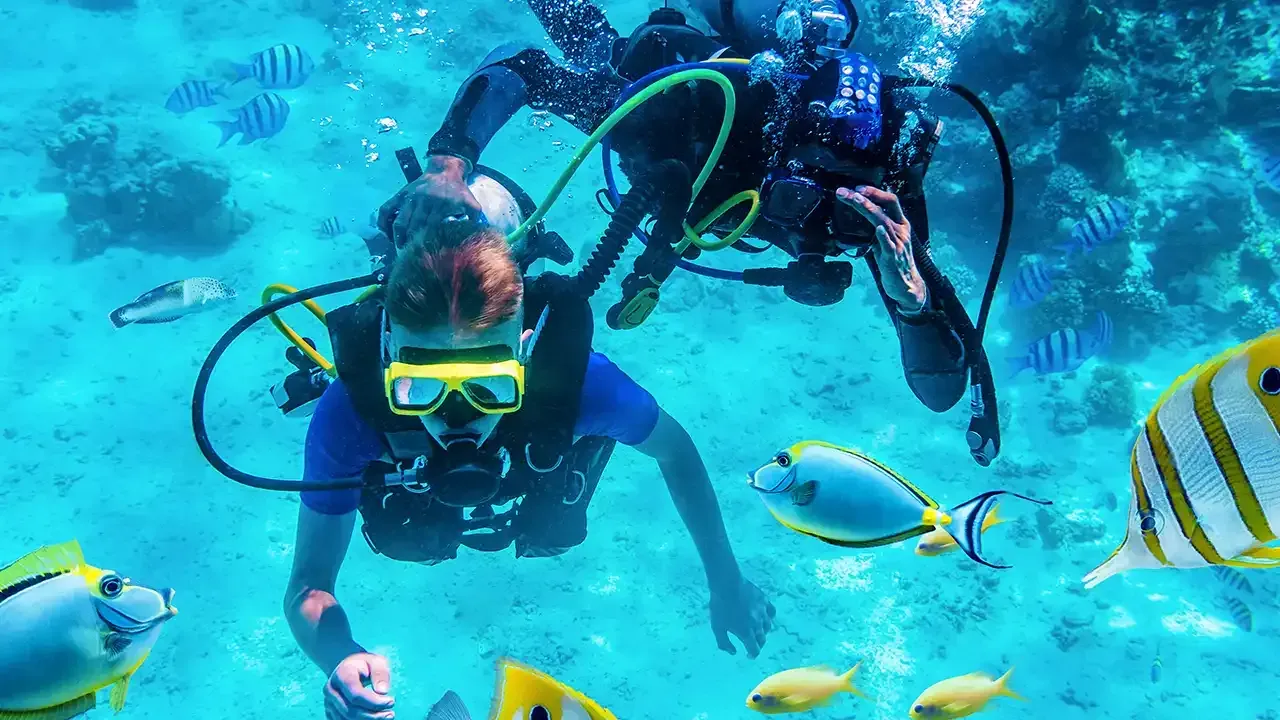
To complete your certification, you’ll perform several open water dives under close supervision. You’ll repeat the skills you learned in shallow water, then gradually explore deeper areas.
Because Hawaii offers excellent visibility and sturdy reef formations, beginners often see a wide range of marine life during these dives.
Step 6: Get Certified and Plan Future Dives
Once you pass your required sessions, your certification is valid for life. You’ll be able to join guided dives on future visits, rent gear anywhere, and continue training with advanced courses if you choose.
What You’ll Need to Get Started
Scuba diving doesn’t require you to own a full set of gear right away. Most dive shops provide everything you need, and renting is perfectly normal for beginners.
Required Gear Provided by Shops
You’ll typically receive:
- Mask
- Snorkel
- Fins
- Buoyancy control device (BCD)
- Regulator
- Dive computer
- Wetsuit
If you want your own gear, the first thing to invest in is a well-fitted mask. Comfort matters more than tne brand.
Medical Requirements
Before enrolling in a course, you’ll complete a standard medical questionnaire. Some conditions require clearance from a doctor, such as asthma, heart conditions, or recent surgeries. This protects you, and reputable shops will never skip this step.
Age Requirements
Kids as young as 10 can begin junior certification programs. For adults, there is no upper age limit as long as you’re healthy enough to dive.
Best Hawaii Islands to Start Scuba Diving
All major islands offer beginners a safe and rewarding start. Certain areas stand out because they provide calm water, clear visibility, and reliable training sites.
Oahu
Oahu is one of the easiest places to learn. Many dive shops operate out of Waikiki and other parts of the island, offering both shore dives and boat dives. Beginner sites like Turtle Canyon, Magic Island, and Horseshoe Reef stay consistent year-round.
Oahu also offers introductory programs for those who want to try diving before committing to full certification.
Maui
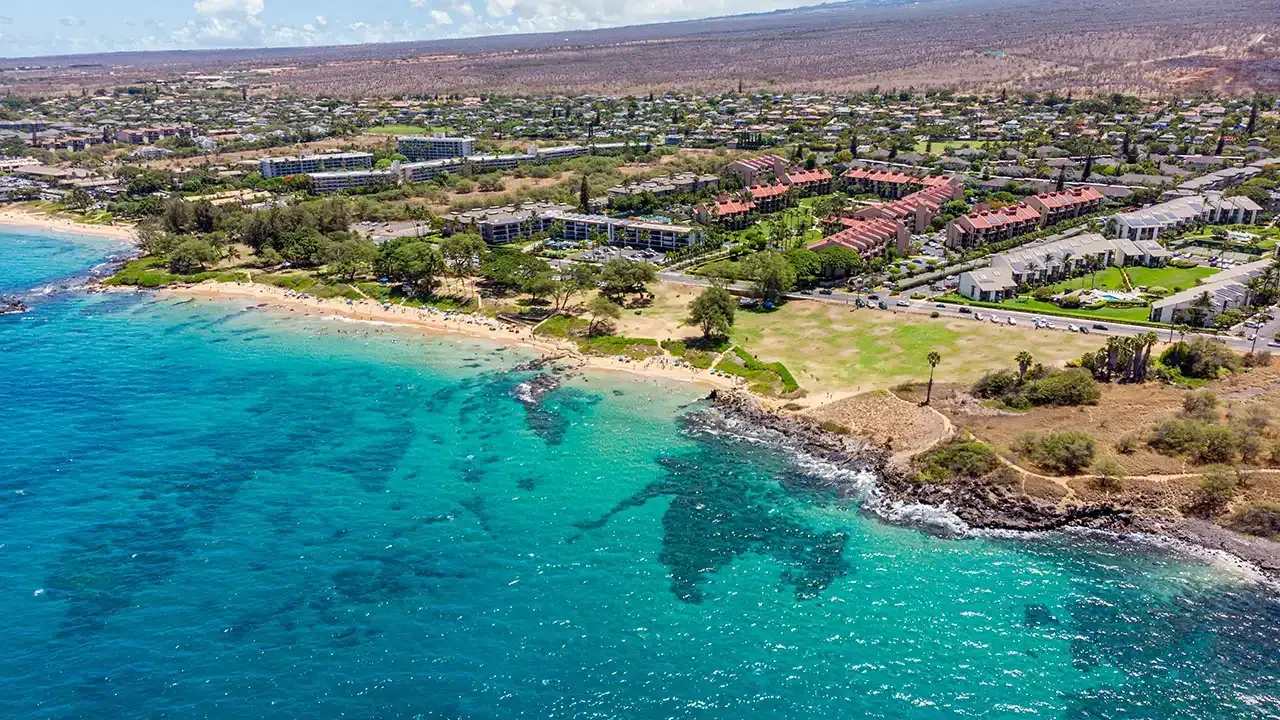
Maui has a strong reputation for beginner diving thanks to protected coves and steady conditions. Popular training sites include Ulua Beach and Black Rock, both of which give new divers a predictable environment to learn buoyancy and comfort.
Boat dives to areas like Molokini Crater are available once you’re certified.
The Big Island (Hawai‘i Island)
Kona’s west coast is known for calm water and some of the clearest visibility in the islands. Beginners often start with gentle shore entries before exploring deeper areas by boat. The Big Island is also home to the famous manta ray night dive, which you can join after earning your certification.
Kauai
Kauai has fewer beginner-level dives compared to Maui or Oahu, but it still offers suitable training environments on the south shore when conditions cooperate. Poipu and Koloa Landing are the most common entry points for lessons.
What to Expect During Your First Dives
Knowing what the experience actually feels like helps reduce nerves and makes your training smoother.
Clear, Steady Breathing
Breathing underwater feels unusual for the first few minutes. Most beginners instinctively take short breaths. Once you relax, your breathing evens out and buoyancy becomes easier to control.
Remarkable Visibility
Hawaii’s visibility commonly reaches 60 to 100 feet, depending on location. Seeing so far ahead often calms new divers who expect limited visibility based on movies or photos from colder climates.
Slow, Controlled Movements
Diving isn’t about speed. You move gently, letting the water support you. Your instructor will guide the pace, check your comfort, and adjust the dive plan as needed.
Calm, Buoyant Descents
Your first descent will happen slowly along a line or a gradual slope. Your instructor stays close, checking your equalization and buoyancy frequently.
Common Beginner Mistakes and How to Avoid Them
A few habits tend to show up with first-time divers. Fortunately, they’re easy to correct.
Holding Your Breath
This is the most important rule to avoid breaking. You should always breathe consistently and never hold your breath while descending or ascending.
Kicking Too Hard
New divers often kick like they’re swimming at the surface. Gentle kicks use less energy and protect the reef.
Wearing Too Much Weight
Your instructor will adjust your weights to prevent sinking or struggling to maintain buoyancy. Let them dial it in.
Rushing Skills
If you need more time to practice clearing your mask or controlling your buoyancy, tell your instructor. Extra practice is normal.
Marine Life Beginners Commonly See
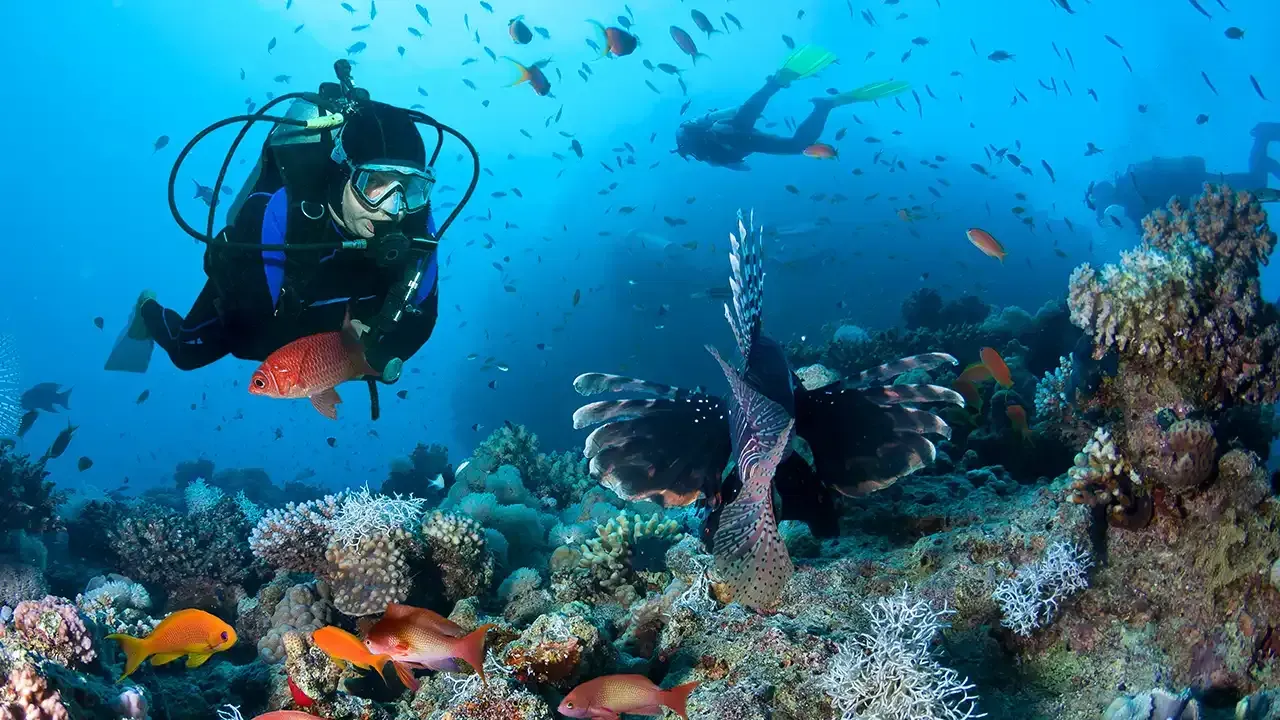
Hawaii gives new divers a strong chance of seeing well-known marine species during training dives. These may include:
- Hawaiian green sea turtles
- Moorish idols
- Butterflyfish
- Goatfish
- Triggerfish
- Reef sharks (usually far off and uninterested in divers)
- Manta rays (mostly on the Big Island)
Encounters vary by location and season, but even the most basic sites usually offer healthy reef life and clear visibility.
Safety Tips All New Divers Should Follow
Scuba diving is safe when you respect key rules and follow your instructor’s guidance.
Stay With Your Group
Never wander off or chase wildlife.
Monitor Your Air Supply
You’ll check your pressure gauge regularly and surface with a safe reserve.
Equalize Early and Often
Pressure changes quickly, especially on descent. Equalize your ears every few feet.
Respect the Reef and Marine Life
Avoid touching coral, standing on rocks, or disturbing marine life.
Communicate Clearly
Hand signals keep everyone on the same page underwater.
Avoid High-Altitude Activities for 24+ Hours After Diving
To help reduce the risk of decompression sickness (DCS), it is best to wait at least 24 hours after diving. Activities include flying, mountain hiking, ziplining, parachutes, parasailing, skiing or snowboarding, and air ballooning.
FAQs About Starting Scuba Diving in Hawaii
Do I need to know how to swim?
Yes. You should be comfortable swimming and floating unassisted.
Can I dive without getting certified?
Introductory “discover scuba” programs allow beginners to try a supervised shallow dive without certification.
How long does certification take?
Most courses take two to three days once you arrive in Hawaii.
Is diving safe?
Diving is safe when training is followed correctly and divers respect their limits.
Can I wear glasses underwater?
Standard eyeglasses don’t work with masks, but you can use prescription dive masks.
Can I fly after diving?
You should not fly immediately after diving because the change in altitude can trigger decompression sickness. As a generale rule, we recommend waiting 24-48 hours before flying after any type of dive.
Enjoy your scuba adventures in Hawaii!
Starting scuba diving in Hawaii is more accessible than people often realize. With strong safety standards, experienced instructors, and dependable ocean conditions, the islands offer an ideal environment for beginners. From your first lesson in shallow water to your final open water dive, the training process is structured, predictable, and rewarding.
Once you’re certified, Hawaii’s reefs and underwater landscapes open up in a way that changes every future trip. Learning to dive here isn’t just a vacation activity. It’s the beginning of a skill you can use anywhere in the world.