It Snows in Hawaii: How & Why
Not often, and not everywhere, but when conditions line up just right, Hawaii’s highest volcanoes turn white with snow.
Snow in Hawaii isn’t a myth or a rare anomaly. It’s a seasonal occurrence tied to elevation, winter storms, and the unique weather dynamics of the Central Pacific. Understanding how this happens deepens your appreciation for the islands and their remarkable landscapes.
This guide breaks down where snow falls, how it forms, what conditions create it, and how locals view this unusual but familiar winter weather.
Why Hawaii Gets Snow
Hawaii sits in the tropics, so you might assume snowfall would be impossible. The key factor that allows snow to form is elevation. While most of the islands sit close to sea level, three volcanic summits rise high enough for winter temperatures to drop below freezing.
The highest points in Hawaii stand tall enough to intersect the upper atmosphere, where cold, dry air regularly circulates. When winter storms sweep across the Pacific, those summits can receive snow, ice, and heavy winds that feel more like a high-alpine environment than a tropical island.
So while Hawaii’s beaches may be warm and sunny on the very same day, its volcanic peaks can be experiencing actual winter conditions.
The Mountains Where Snow Falls
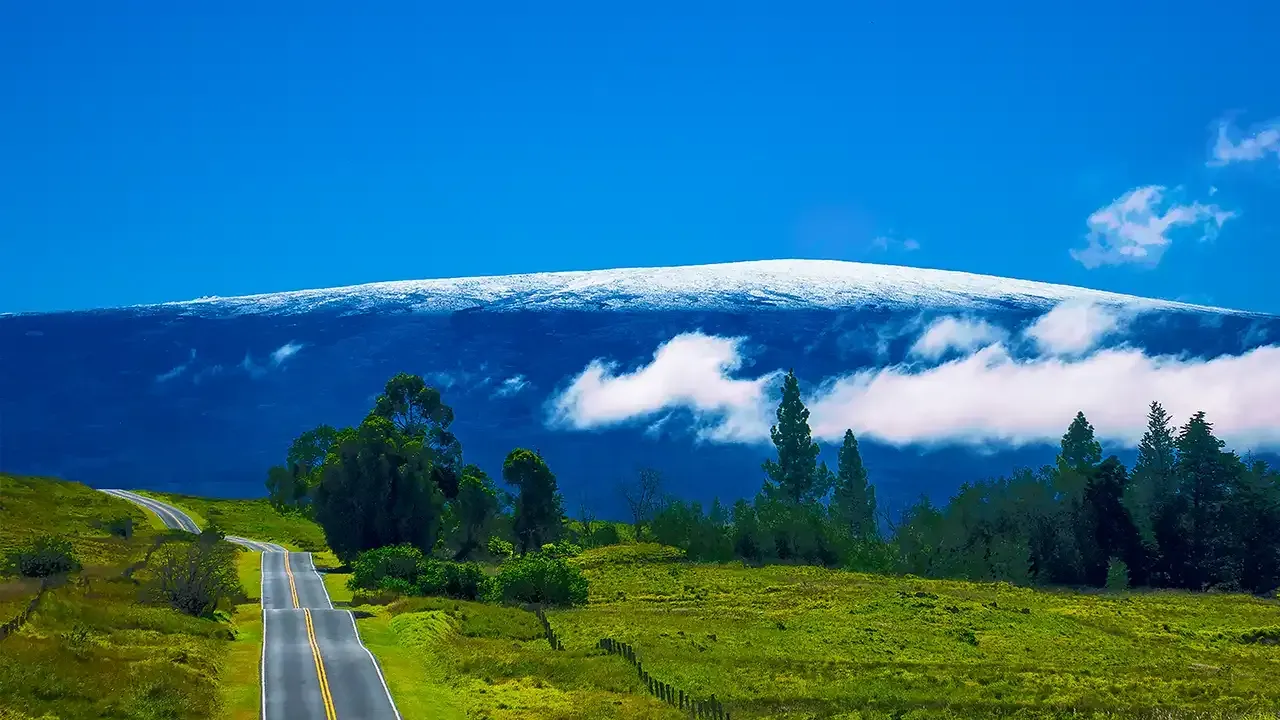
Snow in Hawaii is limited to three central locations on the Big Island. These summits rise higher than any point in the rest of the Pacific and form the perfect environment for winter weather.
Mauna Kea
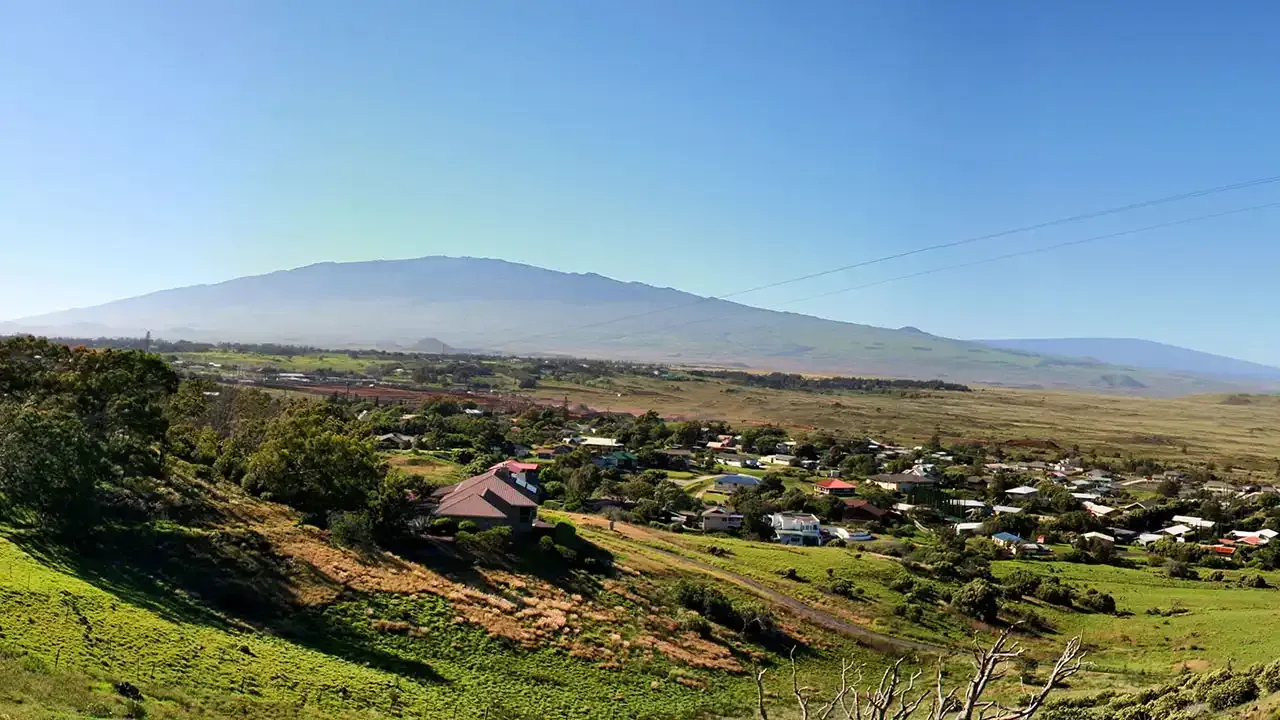
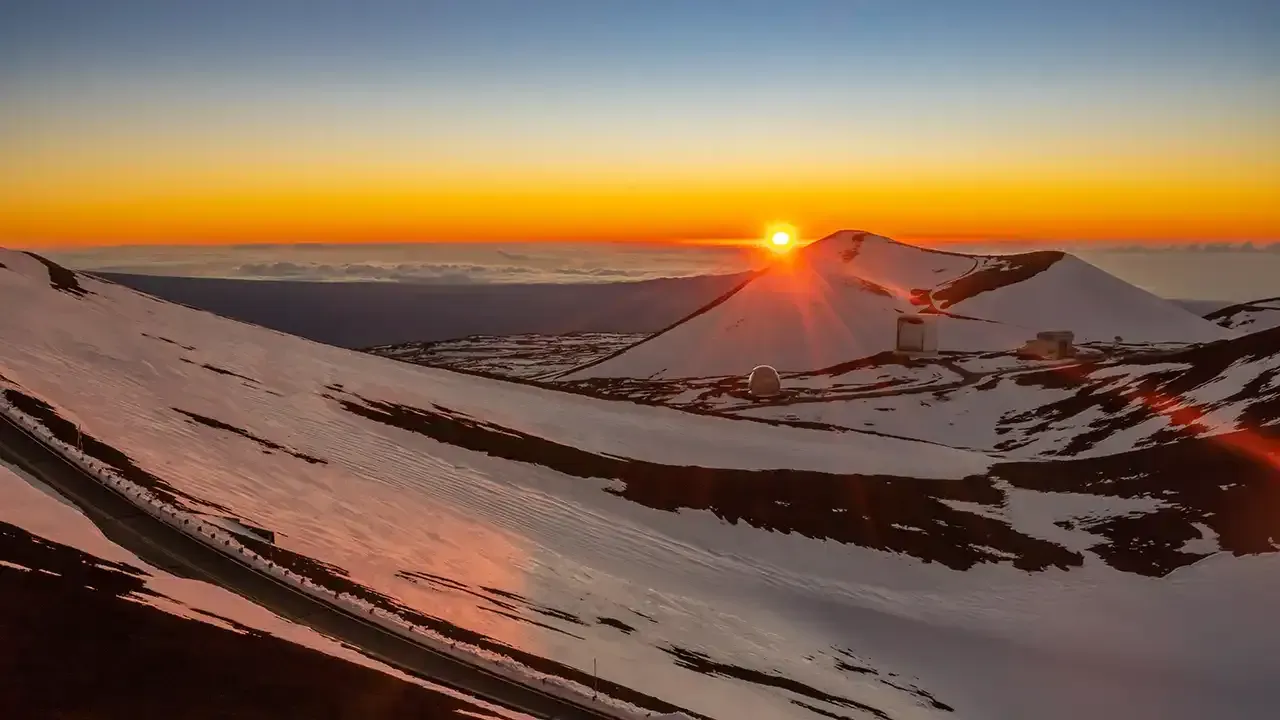
Mauna Kea is the most famous snow-covered peak in Hawaii. Its summit reaches nearly 14,000 (13,803 feet exactly) and is home to some of the world’s most advanced astronomical observatories. Temperatures here drop well below freezing during the winter months, and snow can accumulate quickly during intense storms.
Blizzards aren’t unheard of. Winds can exceed 60 mph, visibility drops, and ice coats the summit road. Local authorities frequently close access to the top during storms. On a clear day, though, a snowy Mauna Kea is one of the island’s most striking sights, contrasting sharply with the black lava fields and warm coastline below.
Mauna Loa
Mauna Loa is one of the largest volcanoes on Earth and sits slightly lower than Mauna Kea. It still rises high enough for snow during strong winter systems. Snowfall here is less frequent and generally melts faster, but significant events do happen.
Because Mauna Loa is broad and gently sloped, snow cover can extend across large areas during heavier storms, giving the mountain a smooth, alpine appearance visible from miles away.
Haleakalā (Maui)
Snow on Maui is far less common. Haleakalā stands just over 10,000 feet, which usually keeps it above the freezing level only during stronger winter storms. Once every few years, snowfall dusts the summit crater and upper slopes.
It doesn’t last long. Sunshine and warm air at lower elevations melt it quickly, but when it happens, Maui residents never miss the chance to photograph the rare scene.
What Causes Snow in Hawaii?
Several weather patterns bring snow to Hawaii, but the two most influential are winter cold fronts and upper-level low-pressure systems.
Winter Cold Fronts
Cold fronts sweep down from the northwest during the winter months. These systems drag cooler air toward the islands and can drop the freezing level enough for snow to form on the summits. If there’s enough moisture, snowfall can be moderate to heavy.
Cold fronts are responsible for many of the typical winter conditions across the islands, including:
• Lower temperatures
• Increased rainfall
• Gusty winds
• Cloud build-ups along mountain slopes
When these fronts are strong, they almost always bring snow to the higher peaks.
Upper-Level Lows
Upper-level low-pressure systems are more unpredictable. They sit high in the atmosphere and can create frigid air aloft. When these systems pass over the Big Island, the freezing level can drop rapidly.
These events sometimes produce the heaviest snowfall Hawaii sees, including blizzard warnings issued by the National Weather Service. Strong winds, icy roads, and whiteout conditions can make the summit inaccessible for days.
How Often Does It Snow in Hawaii?
Snow falls on Hawaii’s highest summits several times each winter. Some years see only a few dustings. Others bring multiple storms with several inches or even feet of accumulation.
Mauna Kea receives snow most reliably. Mauna Loa is next. Haleakalā experiences it rarely.
There’s no set timetable, but it generally happens between December and February, with occasional events as early as October or as late as April.
Is the Snow Permanent?
No. Hawaii’s snow is never year-round. Even on Mauna Kea, sunshine and tropical warmth at lower elevations affect temperatures around the mountain, causing snow to melt quickly.
After most storms, snow sticks around for a few days. In bigger events, it can last a couple of weeks. Long-term accumulation is extremely rare.
What About Skiing and Snowboarding?
Locals have been skiing on Mauna Kea for decades, using trucks or 4WDs to shuttle back to the top. It isn’t a developed ski resort and never will be, but during large storms, conditions occasionally allow for a few runs.
How Locals Feel About Snow in Hawaii
For many residents, snow on the summits is something familiar. It’s not a shock. When the peaks turn white, locals might point it out to visiting friends or family, but it’s generally seen as just another part of Hawaii’s diverse climate.
That said, a heavy snowfall will always draw attention. Photos of a white-topped Mauna Kea are quickly shared across local news outlets and social media. It’s a reminder of how varied the islands’ landscapes really are.
Visiting the Snow: What to Know
If you’re hoping to see snow while visiting Hawaii, there are a few things to understand before planning a trip to the summit areas.
Check Road Conditions
The Mauna Kea Access Road often closes during storms. Ice, low visibility, and high winds make travel dangerous. Always check with the Mauna Kea Rangers for updated conditions before heading up.
Prepare for Harsh Weather
Even on clear days, the summit is cold, windy, and extremely dry. Bring:
• Warm layers
• Water
• Proper shoes
• Sun protection
It can feel below freezing even without snow.
Altitude Matters
Altitude sickness is common above 9,000 feet. If you’re not acclimated, you may experience headaches, nausea, or dizziness. Ascend slowly and listen to your body.
Respect Cultural and Scientific Areas
Mauna Kea, Mauna Loa, and Haleakalā are considered wahi kapu (sacred places) to many Native Hawaiians, and it also hosts sensitive astronomical equipment. Always follow posted rules, stay in designated areas, and avoid disturbing ongoing work.
Is Snowfall in Hawaii Increasing or Decreasing?
There’s ongoing research about how changing weather patterns may affect snowfall at high elevations. Some scientists note that rising temperatures could shorten seasonal snow windows, while others point out that stronger winter storms may bring heavier but less frequent events.
Historical records show year-to-year variability, but long-term trends are still being studied.
FAQs About Snow in Hawaii
Does it snow every year in Hawaii?
Yes, on the Big Island’s highest peaks. Mauna Kea and Mauna Loa almost always see at least some snowfall during the winter months.
Can you drive up to see the snow?
Sometimes. Road access depends entirely on weather and safety conditions. Closures are common during and after storms.
Does snow ever fall at lower elevations?
No. Snow in Hawaii is limited to high mountain summits. Lower elevations experience rain instead, even during the coldest storms.
How cold does it get on Mauna Kea?
Temperatures often fall below freezing at night and can remain in the 20s or low 30s during storms. Wind chill can make it feel much colder.
Does it snow on Oahu or Kauai?
No. Their mountains aren’t tall enough to reach freezing temperatures during winter storms.
Visit Hawaii In The Winter To See Snow!
Snow in Hawaii surprises many people, but it’s a regular winter event on the islands’ highest peaks. Massive volcanic mountains rise high enough to create real alpine conditions when intense Pacific storms move through.
Snow in Hawaii isn’t a contradiction. It’s a reminder that these islands hold far more than beaches and sunshine.