Lei Making in Hawaii: Discover the History, Meaning, and Best Workshops to Join
Hawaiian leis are more than pretty garlands — they're living symbols of culture and tradition. Built from centuries of history, lei making ties people to the islands' heritage and natural beauty. In this article you'll find the history and cultural meaning behind leis, plus tips on workshops where you can try the craft yourself. You'll also learn about common materials, practical techniques, wearing etiquette, and where to buy or custom order leis in Hawaii.
What Makes Hawaiian Lei So Special? Understanding Their History and Cultural Meaning
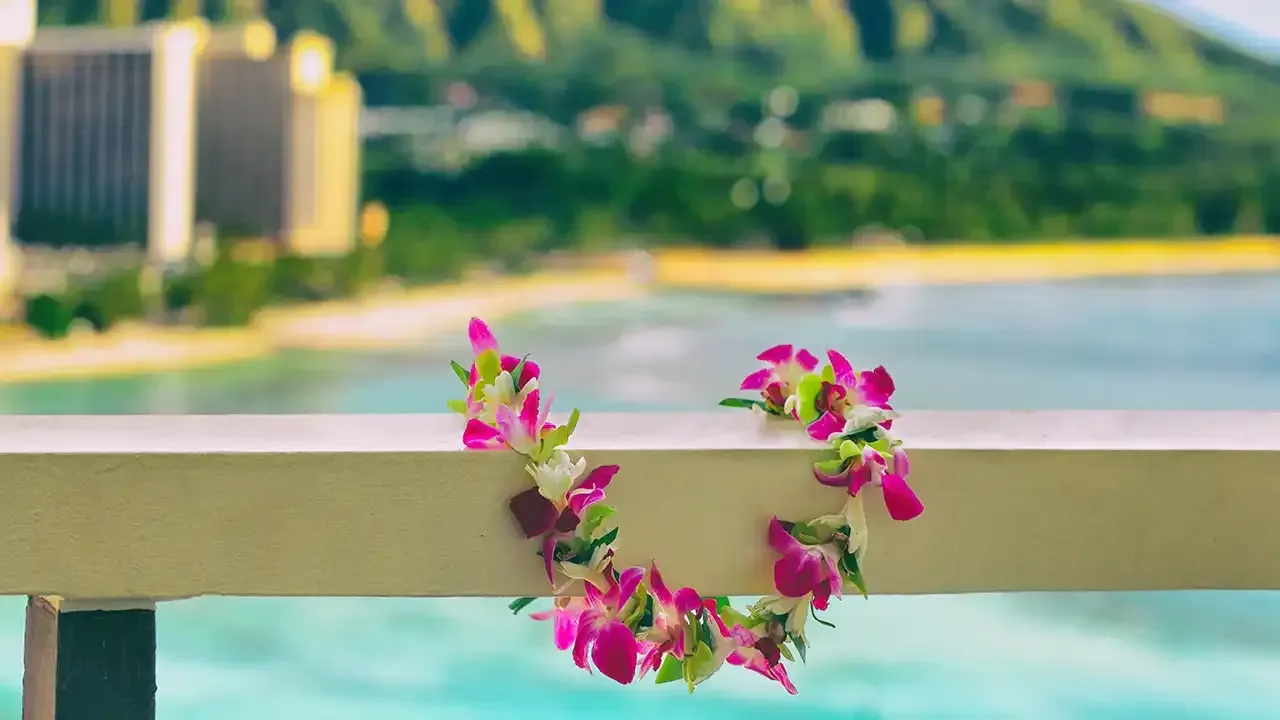
Leis aren't just decorations — they hold deep cultural meaning in Hawaiian life. Often used to show love, friendship, and celebration, leis play a key role in rituals and milestones, marking moments of joy and remembrance. Making and sharing leis reflects the spirit of aloha, showing hospitality and a bond with the island's plants.
How Did Hawaiian Lei Traditions Begin and Evolve?
Lei making goes back to ancient Polynesian voyagers who made garlands from what they found on the islands. Early leis used fresh or dried flowers, leaves, and seeds, showing off the islands' plant life. Over time the practice changed as cultures mixed and visitors arrived, but traditional methods remain, and modern styles now sit alongside them.
What Symbolism and Values Do Leis Represent in Hawaiian Culture?
Leis carry meanings tied to Hawaiian values. They often stand for aloha — love, respect, and welcome. At graduations, weddings, and birthdays, giving a lei shows affection and honor. Knowing these meanings makes both giving and receiving a lei feel more special and connected.
What Types of Flowers and Materials Are Used in Authentic Hawaiian Lei?
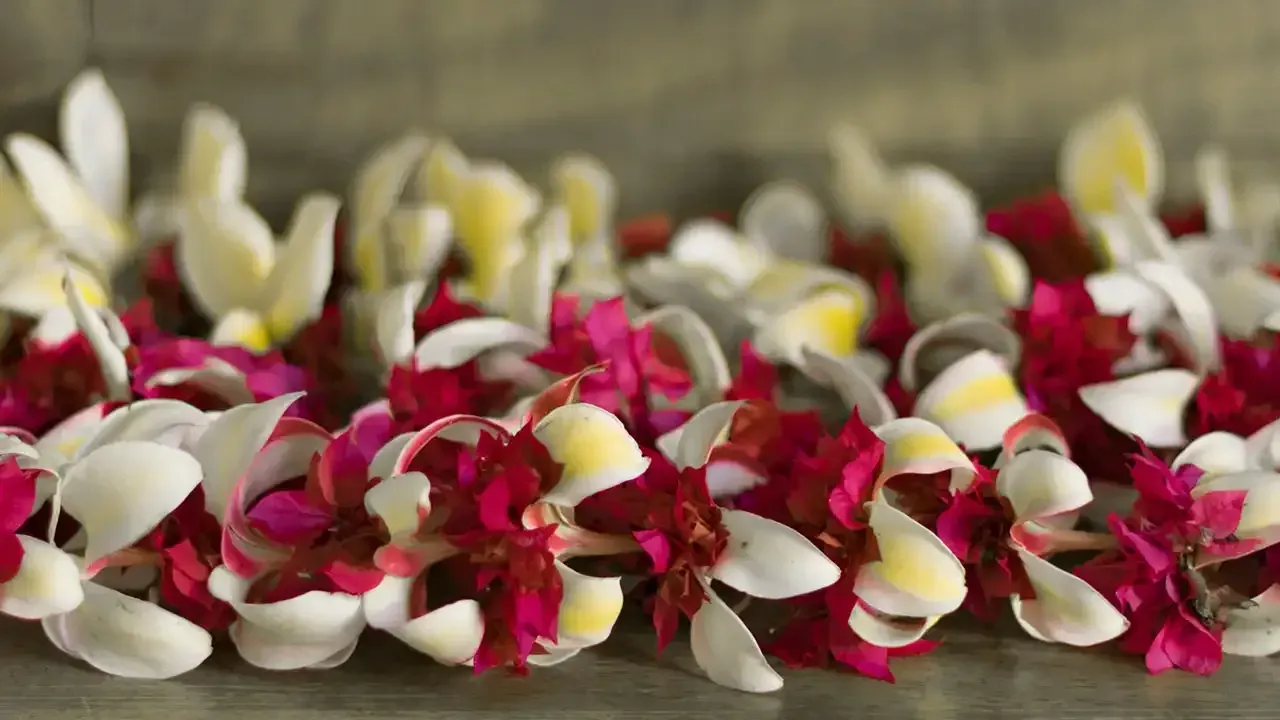
The choice of flowers and materials helps make a lei authentic. Different native plants bring different meanings, so picking the right components matters to the lei's message.
Which Native Hawaiian Flowers and Plants Are Common in Lei Making?
Common flowers include fragrant plumeria, bright lehua blossoms from the ʻōhiʻa tree, and ruffled pikake with its sweet scent. Maile leaves are often used for layered leis and symbolise unity and friendship. Each plant adds to the lei's look and connects to local culture and ecology.
How Do Seasonal and Sustainable Materials Influence Lei Crafting?
Using seasonal and sustainable materials helps protect the islands and honours tradition. Choosing local flowers supports the environment, and many workshops teach conscious crafting so you can enjoy the art while respecting nature.
Where Can You Find the Best Hawaiian Lei Workshops and Classes?
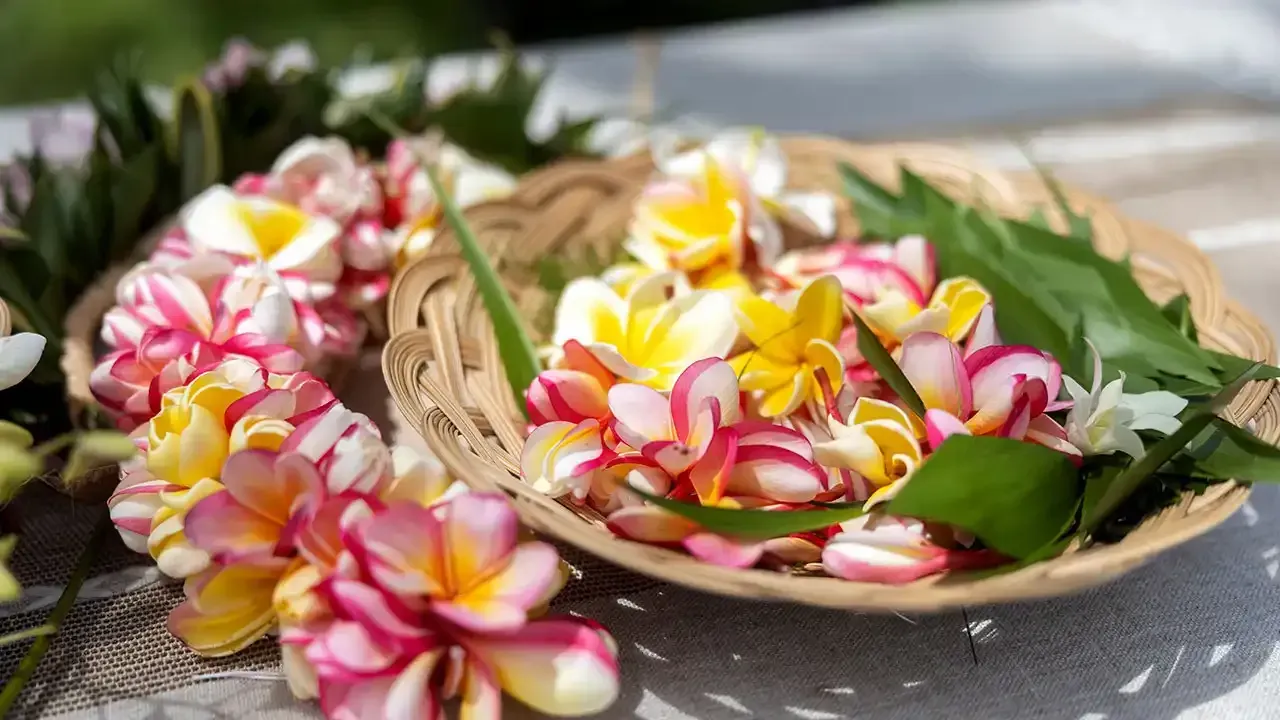
If you want to try lei making, several workshops across the islands offer hands-on classes. They teach the skills and share the cultural background that makes the craft meaningful.
Which Hawaiian Islands Offer Top-Rated Lei Making Workshops?
You'll find top-rated workshops on Oʻahu, Maui, and the Big Island. Talented artisans teach in small community settings and larger cultural centres, each giving a different view of traditional and modern lei styles.
How to Book and What to Expect in a Lei Making Class?
To book, you usually reserve online or contact the workshop directly. Expect a friendly atmosphere and all materials provided. Instructors show techniques like stringing flowers or weaving leaves, and many share stories about the materials to deepen the experience.
What Practical Lei Making Techniques Should You Know Before Joining a Workshop?
Knowing basic techniques before a class makes the workshop more fun and lets you be more creative while you craft.
How Do You Weave and String Different Types of Lei?
Weaving and stringing change with the flowers you use. For floral leis you'll learn to use a needle and thread effectively, and simple knotting keeps the lei secure while you mix colours and textures.
What Tools and Skills Will You Use in a Lei Workshop?
Workshops use basic tools like scissors, needles, and thread. You'll also pick up useful skills — think colour choices and design basics — that help you make a beautiful lei. Practising these things helps you appreciate the craft more.
Where Can You Buy or Custom Order Beautiful Hawaiian Leis?
If you'd rather buy than make one, Hawaii has plenty of options for ready-made or custom leis to suit different tastes and events.
What Are Recommended Places to Purchase Ready-Made Leis in Hawaii?
Many Hawaiian shops and local florists are known for high-quality, ready-made leis. You'll find a range of fresh and dried options in tourist areas and specialty stores, all suitable for celebrations or gifts so you can take home a real piece of Hawaii.
How Does Custom Ordering Work and What Should You Know?
Custom ordering lets you personalise a lei for an occasion or preference. Shops often let you pick flowers, colours, and sizes. Be clear about your ideas with the vendor so the final lei matches the sentiment you want to send.
What Important Etiquette and Customs Should Tourists Know About Wearing Lei?
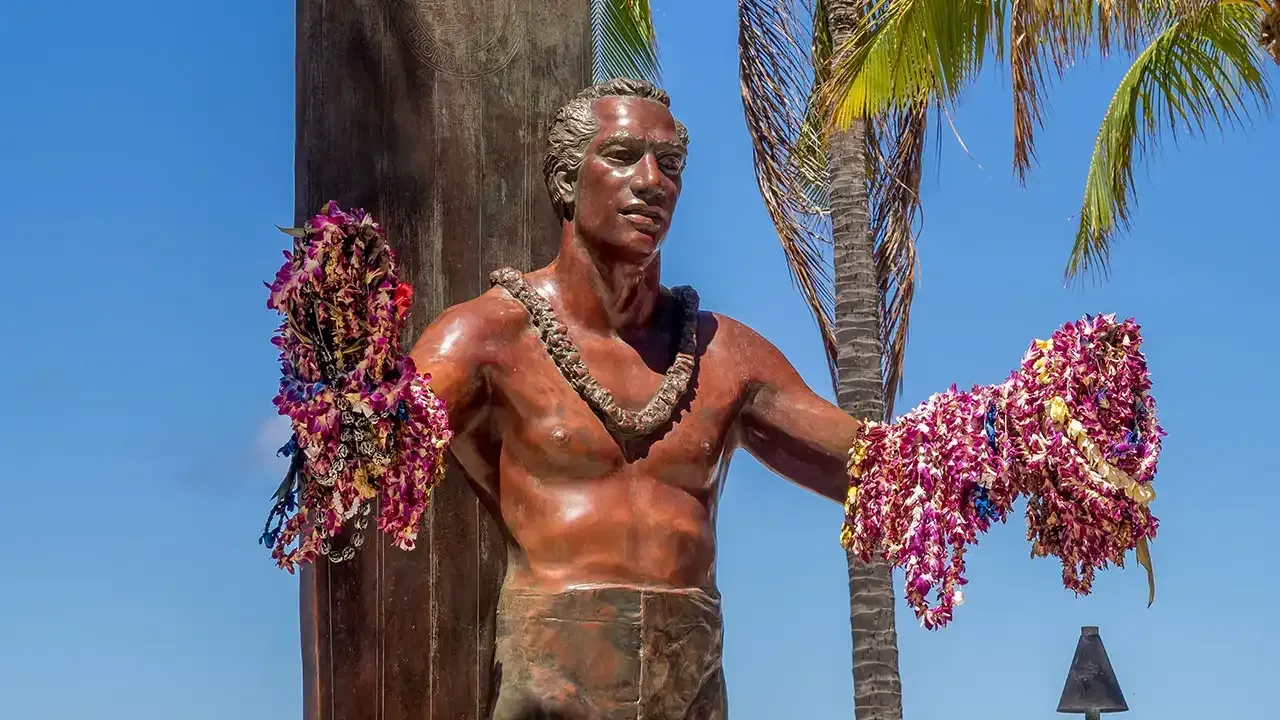
Wearing a lei comes with customs that visitors should respect to honour Hawaiian culture.
When Is It Appropriate to Give or Receive a Lei?
Leis are commonly given at milestones like graduations, weddings, and festivals, and as gestures of welcome or thanks. Knowing when to give or accept a lei helps preserve its cultural meaning and keeps the exchange respectful.
How Should You Respectfully Wear and Handle a Hawaiian Lei?
Put a lei around the neck gently so it rests on your shoulders. Don't remove it in front of the person who gave it — that can seem rude. Treat the lei with care, not tossed aside, since it represents valued traditions.
Frequently Asked Questions
What are the different occasions for giving a lei?
Leis are given for graduations, weddings, anniversaries, luaus, festivals, and as warm welcomes or farewells. Each event carries its own feeling, so a lei marks the moment with cultural meaning rather than just being a decoration.
Can anyone learn to make a lei?
Yes — anyone can learn. Workshops welcome beginners and teach the basic techniques and materials. Lei making is about creativity and personal expression, so it's a great way to connect with Hawaiian culture no matter your background.
What is the significance of colors in Hawaiian leis?
Colours often carry meaning: bright shades like yellow or pink can suggest joy, while white commonly signals purity and respect. Choosing colours thoughtfully helps the lei convey the right message for the occasion.
Are there alternative materials used in lei making?
Yes. Beyond flowers, people use shells, beads, or fabric to create leis, offering different looks and textures. These options expand creative choices and can suit those with allergies or who prefer non-traditional styles.
How can tourists experience the lei making process?
Tourists can join workshops across Hawaii that blend hands-on making with cultural background. Cultural centres and events also host demonstrations where you can watch skilled artisans and learn more about the tradition.
What is the best way to preserve a lei?
To keep a lei longer, air-dry or refrigerate it to slow wilting. After use, hang it somewhere dry and out of direct sun, or press it as a keepsake. For leis made of shells or fabric, store them in a cool, dry place to keep them intact.
How does lei making reflect Hawaiian values?
Lei making reflects hospitality, love, and respect for nature. Creating and sharing leis shows the aloha spirit and community ties. By using local and sustainable materials, lei makers honour the environment and cultural heritage, making the craft an expression of identity and relationships.