Discover Hawaiian Art & Galleries: Local Artists, Crafts, and Authentic Experiences
Hawaiian art is a lively mix of long-held cultural traditions and the fresh voices of local artists. You'll find painting, sculpture, pottery, and textiles—each carries deep meaning for the community. This article walks you through that world, spotlighting native artists, traditional craft styles, and why seeing these works in person matters. Many travelers look for authentic cultural experiences, and discovering Hawaiian art delivers that. We'll also share tips for spotting genuine pieces and explain how supporting local artisans helps keep Hawaii's heritage alive.
Who are the Native Hawaiian Artists You Should Know?
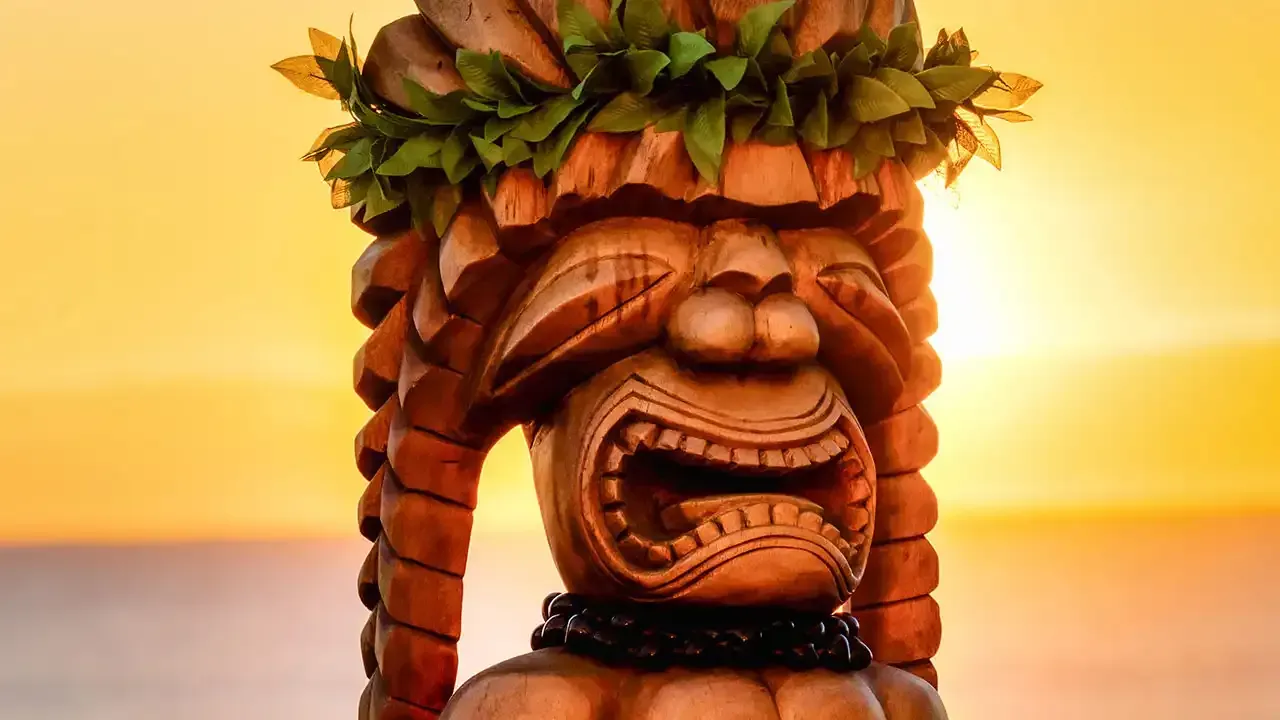
Native Hawaiian artists keep Hawaii's culture alive through their work. They blend traditional techniques with modern ideas to create pieces that speak to both local communities and wider audiences. Artists like Solomon Enos and Maya Lin bring indigenous themes into their art. Learning about their backgrounds gives you a clearer sense of how Hawaiian art is evolving and where it's headed.
Which Hawaiian Islands Are Home to the Most Influential Artists?
Hawaii is made up of several islands, and each one has its own creative community. Noteworthy artists can be found across the islands:
- Oahu: Home to artists like Kazu Nakamura, who creates dynamic sculptures influenced by his surroundings.
- Maui: Features the works of Aunty Rachael, known for her stunning native plant paintings.
- Kauai: Renowned for creative talents like John S. Critchley, whose landscape photography captures the island's breathtaking beauty.
That variety shows how each island's ecology and culture shape its art.
How Do Native Traditions Influence Modern Hawaiian Art?
Tradition meets modernity in Hawaiian art. Many contemporary pieces draw on themes like family, community, and spirituality. Artists keep techniques such as featherwork, weaving, and carving alive by adapting them to new stories. That mix keeps the essence of Hawaiian culture present while speaking to modern audiences.
What Are Traditional Hawaiian Art Styles and Crafts?
Traditional Hawaiian art covers many styles that reflect the islands' cultural heritage. Think feather capes, woven mats, and fine ceramics. Each form isn't just decorative—it tells a story and carries history. Exploring these styles helps you understand the narratives embedded in Hawaiian culture.
What Materials and Techniques Define Handmade Hawaiian Jewelry and Crafts?
Handmade Hawaiian jewelry often uses local materials like shells, coral, and native woods. Artists carve, stitch, and forge to make distinctive pieces. For example, lauhala bracelets show detailed weaving that links craft and heritage. By combining indigenous materials with time-honoured techniques, artisans create jewellery that's both beautiful and meaningful.
How Do Cultural Meanings Shape Hawaiian Quilting, Wood Carvings, and Ceramics?
Symbolism is central to quilts, wood carvings, and ceramics. Quilts use nature-inspired patterns to tell stories in fabric. Wood carvings often depict animals and plants from Hawaiian myths, giving each piece spiritual meaning. Ceramics reflect island life, bringing in ocean and land elements that define the Hawaiian experience.
Where Can You Experience Hawaiian Art and Galleries in Person?
Seeing Hawaiian art in person is richer than scrolling photos. Galleries and craft markets celebrate local artists and their work. If you want an authentic experience, look for chances to meet the artists and interact with the pieces.
Which Art Galleries and Craft Markets Should You Visit on Oahu, Maui, and Kauai?
If you're visiting, check out these spots to explore Hawaiian art:
- Oahu:
The Honolulu Museum of Art showcases extensive collections of Hawaiian and Pacific art.
- Maui: The Hui No'eau Visual Arts Center provides a diverse range of local art and crafts.
- Kauai: The Kauai Society of Artists, located in the Kukui Grove Shopping Center represents local creators, allowing visitors to engage with and purchase art directly.
Visiting these venues helps you see the range of local creativity and talent.
What Can You Expect When Touring Hawaiian Art Galleries and Craft Fairs?
Expect warm, welcoming spaces with live demonstrations and chances to talk with artists. Galleries often explain how pieces are made, which helps you connect with the art. Exploring these venues supports local economies and helps keep traditional crafts alive.
How Can Art Tours Enhance Your Hawaiian Vacation?
Art tours give you a fresh way to see Hawaii's culture. They take you behind the scenes to meet artists and learn their processes. That kind of immersion shines a light on the stories behind the work and creates a deeper connection.
What Makes Hawaii Art Tours a Unique Way to Explore Local Culture?
What makes these tours special is meeting the artists themselves. Hearing their personal stories adds context to the work. Tours often visit landmarks that inspired certain pieces, so you get both the visuals and the backstory.
Which Tours Highlight Contemporary Native Artists Alongside Traditional Crafts?
Many tours mix modern art with traditional craft. For example, you might start at a gallery showing contemporary Hawaiian artists and then join a hands-on workshop to learn classic techniques. That structure celebrates different practices and shows why each matters in Hawaii's cultural landscape.
How Do You Identify Authentic Handmade Hawaiian Jewelry and Art?
Knowing how to spot genuine Hawaiian art matters whether you're collecting or just appreciating. Authentic pieces usually show clear signs of origin and skilled craftsmanship.
What Are the Signs of Genuine Hawaiian Craftsmanship and Local Artist Work?
Look for these hallmarks when you're checking authenticity:
- Craftsmanship Quality: Examine the attention to detail; authentic pieces typically showcase superior craftsmanship.
- Artist Signatures: Many artists include their signatures or marks, which can be an indicator of authenticity.
- Cultural Symbols: Genuine pieces often incorporate traditional motifs or stories relevant to Hawaiian culture.
Keep these traits in mind to help you find authentic representations of Hawaiian art.
Where Can You Safely Purchase Authentic Hawaiian Art and Crafts?
Buy from reputable galleries, craft markets, or authorized websites to shop safely. Choose venues that share clear information about the artists so your purchase supports local makers directly. Trusted establishments usually make authenticity transparent, which gives you peace of mind.
Why Is Hawaiian Art Important for Culture and Tourism?
Hawaiian art matters beyond appearance. It plays a key role in preserving culture and it supports tourism. Backing local artists helps keep traditions alive and gives visitors a more meaningful experience.
How Does Supporting Local Artists Help Preserve Hawaiian Traditions?
Buying from local artists puts money directly into creative work and helps cultural practices continue. Since art reflects community values and beliefs, supporting artists helps pass those traditions to the next generation. Your purchase strengthens the cultural fabric and makes tourism experiences more authentic.
What Trends Are Shaping Hawaiian Art and Craft Markets Today?
Today's Hawaiian art shows trends like eco-conscious materials and modern design. Younger artists often blend old techniques with new ideas. Digital platforms also help artists reach audiences beyond galleries, making Hawaiian art more accessible and expanding interest.
Frequently Asked Questions
What role does Hawaiian art play in educational contexts?
Hawaiian art is a useful teaching tool that helps preserve the islands' cultural heritage. Schools bring local art into lessons so students can learn traditional techniques and the stories behind the work. Workshops and community events also get students involved and build pride. Through art education, younger generations learn why their culture matters and are encouraged to carry it forward.
How can I support Hawaiian artists while traveling?
You can support Hawaiian artists in simple, meaningful ways. Buy directly from local galleries, craft markets, or the artists instead of mass-produced souvenirs. Attend exhibitions, workshops, and cultural events to meet artists and learn about their work. Share what you find on social media to help boost their visibility beyond the islands.
What is the significance of cultural symbolism in Hawaiian art?
Symbols in Hawaiian art show community values, beliefs, and history. Many motifs point to mythology, nature, and spirituality. When artists use certain plants or animals, they're linking the work to local ecosystems and stories. Knowing these symbols helps you appreciate the artwork on a deeper level.
Are there any programs supporting emerging Hawaiian artists?
Yes—several programs and initiatives support emerging Hawaiian artists. Organisations like the Hawaii Arts Alliance and local community centres offer grants, workshops, and mentorship to help new artists grow. These programs foster creativity, networking, and chances to showcase work, which keeps Hawaiian artistic traditions evolving.
Can Hawaiian art be experienced outside of Hawaii?
You can experience Hawaiian art outside the islands. Museums and galleries on the mainland and overseas often feature Hawaiian collections. Traveling exhibitions and festivals also bring Hawaiian culture to other regions, so a wider audience can enjoy and learn from it.
What are some sustainability practices among Hawaiian artists?
Many artists are using sustainable approaches and locally sourced materials to reduce environmental impact. This helps keep cultural integrity while meeting demand for eco-friendly products. By linking their work to the environment, artists promote respect for Hawaii's natural landscape.