How Much Does a Hawaii Trip Cost? Comprehensive Budget Guide for Affordable Travel
Travel to Hawaii requires planning across key categories—airfare, lodging, transport, food, and activities—to build a realistic budget. This guide summarizes typical costs, offers practical ways to cut expenses, and points to affordable local experiences that add value without large added cost.
Overall Costs
This section breaks down the primary expense categories so you can estimate totals and prioritise spending.
Airfare
Airfare is often the largest single cost. Typical round-trip fares range broadly—roughly $300 in off season from the west coast United States to over $800 during high season from the east coast United States—depending on season, origin, and how far ahead you book. Off-peak travel generally lowers fares.
Accommodations
Lodging varies by type and location: many hotels run from $260 for a budget friendly hotel to well over $800 per night at luxury resorts, while vacation rentals and hostels can be substantially cheaper. Booking early and comparing options helps control this expense.
Transportation
Ground and inter-island transport add up. Car rentals commonly cost $30–$120 per day; public transit is cheaper. Inter-island flights typically run $60–$150 per leg.
Food
Meals range from inexpensive food-truck or grocery options ($15–$25 casual) to higher-end dining ($100+). Combining groceries, casual dining, and occasional restaurants balances cost and experience.
Activities
Many outdoor attractions (beaches, hikes) are free; organized tours and paid attractions raise costs. Expect typical activity budgets of roughly $75–$350 per person depending on choices.
Tips for Affordable Travel Options
Deliberate planning and cost-control let you enjoy Hawaii without overspending. Practical steps below focus on reducing core costs while keeping a quality itinerary.
Effective cost management is a fundamental component of travel planning; research identifies strategies to optimize financial performance within the tourism sector.
Cost Efficiency Strategies for Tourism & Travel Budgeting
This study examines cost-efficiency in tourism management by analysing resource allocation, operational expenses, and revenue management to identify practices that preserve service quality while improving financial performance. The findings emphasise the role of technology adoption, staff training, and sustainable practices in reducing costs.
An Analysis of the Cost Efficiency in Tourism Management, 2025
- Book Early: Secure your flights and accommodations well in advance to take advantage of lower prices, if possible book flights and rooms 6-months or more in advance.
- Explore Free Activities: Take advantage of Hawaii's natural beauty by hiking, swimming, and visiting public beaches.
- Use Public Transport: Save on transportation costs by utilizing the local bus system instead of renting a car.
- Eat Like a Local: Try local food trucks and casual dining spots for authentic meals at lower prices.
- Plan Your Itinerary Wisely: Organize your activities to minimize travel time and costs.
What Are the Average Accommodation Costs in Hawaii?
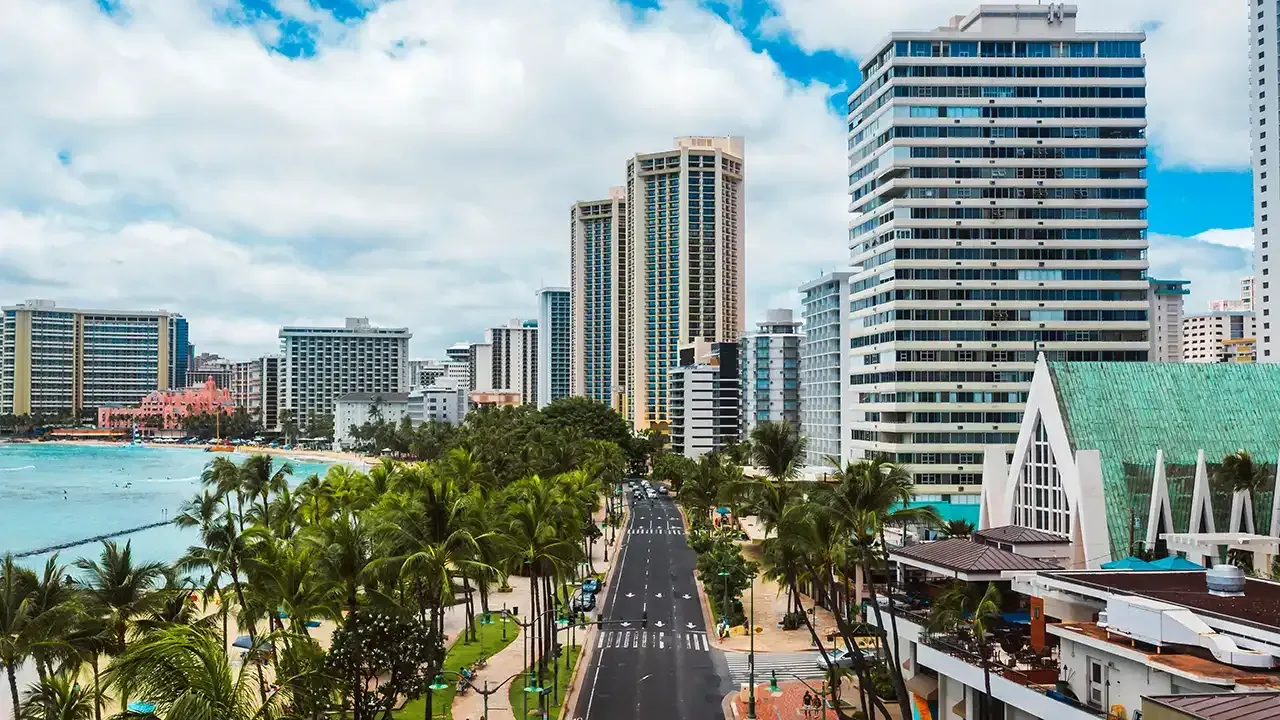
Accommodation is a major portion of trip cost; this section outlines common price ranges and practical booking tips.
How Do Hotel, Vacation Rental, and Hostel Prices Compare?
Hotels commonly run $300–$800 per night. Vacation rentals can offer savings and flexibility; hostels are the cheapest option, sometimes from about $75 per night. Balance cost versus privacy and amenities when choosing.
What Booking Tips Help Reduce Lodging Expenses?
Use these approaches to lower lodging costs:
- Book During Off-Peak Seasons: Rates are usually lower outside peak periods.
- Use Comparison Websites: Compare platforms to find the best available rates.
- Look for Discounts: Check promotions, membership discounts, and package deals.
How Much Should You Budget for Food and Dining in Hawaii?
Food is a flexible category; mixing groceries, food trucks, and occasional restaurant meals gives good value and local flavor.
What Are the Costs of Local Cuisine and Affordable Dining Options?
Casual meals commonly cost about $15–$25, while specialty restaurants cost more. Local markets and food trucks frequently offer affordable, authentic choices.
How Can Travelers Save on Meals Without Sacrificing Experience?
Try these money-saving meal strategies:
- Shop at Grocery Stores: Buy breakfasts and snacks to cut meal costs.
- Try Local Food Trucks: Affordable and authentic options are widely available.
- Prepare Your Own Meals: Use a kitchen when available to lower food spending.
One source highlights that strategic meal planning can substantially reduce overall vacation expenses.
Hawaii Trip Budgeting: Affordable Vacation Dining Tips
Vacation dining is enjoyable but can be costly. Meal planning is a key strategy for remaining within budget and can yield savings of several hundred dollars for many families. The Everything Family Guide to Budget Travel: Hundreds of fun family vacations to fit any budget, 2011
What Are the Typical Transportation Expenses During a Hawaii Trip?
This section summarizes mobility costs and choices for getting around and between islands.
How Do Car Rentals and Public Transit Costs Differ?
Car rentals generally cost $35–$120 per day and give maximum flexibility; buses and shuttles are much cheaper for basic transit, often just a few dollars per ride.
To save on transport, book rentals early, learn local transit options, and share vehicle costs when possible.
- Book Rentals in Advance: Early bookings can lead to better rates.
- Use Public Transport: Familiarize yourself with the local bus system for affordable travel.
- Carpool with Other Travelers: Share rental costs with fellow travelers to save money.
What Are Cost-Effective Transportation Strategies for Visitors?
How Do Local Events and Activities Affect Your Hawaii Travel Budget?
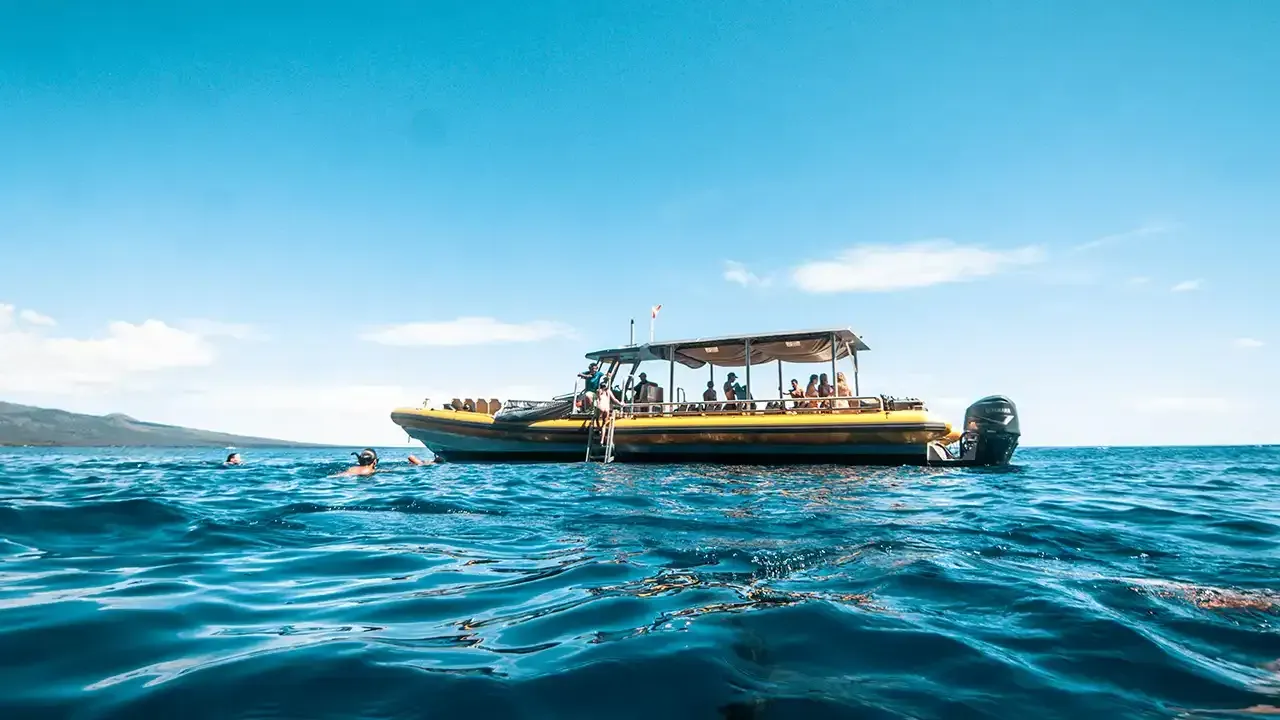
Events can be low-cost or add small fees; planning around free cultural offerings can enrich a trip without large expense increases.
What Are the Costs and Schedules of Popular Cultural Events?
Some festivals are free; others charge modest entry fees (often $10–$50). Check schedules ahead to align events with your budget.
Which Affordable Activities Offer Authentic Hawaiian Experiences?
Low-cost options include:
- Beach Days: Public beaches are free to enjoy.
- Hiking: Many scenic trails have no admission fee.
- Cultural Festivals: Local festivals often offer low-cost or free access.
Frequently Asked Questions
This is paragraph text. Click it or hit the Manage Text button to change the font, color, size, format, and more. To set up site-wide paragraph and title styles, go to Site Theme.