Comprehensive Guide to Hawaii Driving Etiquette and Road Rules for Tourists
Driving in Hawaii requires attention to local customs, changing road conditions, and state traffic laws. This guide summarizes etiquette, legal requirements, safety measures, and island-specific notes so visitors can drive safely and respectfully.
Unfamiliarity with local rules and scenic distractions are common contributors to tourist-involved incidents.
Hawaii Tourist Road Safety: Unfamiliarity with Rules
Exterior distractions such as scenery and unfamiliarity with roads and traffic rules were identified as common causes of accidents for both international and domestic tourists.
International and domestic tourist road safety in Hawaii Volcanoes National Park, TW Heggie, 2004
Driving Etiquette and Road Rules for Tourists in Hawaii:
Follow local etiquette to keep traffic flowing and show respect for residents: use signals, yield when appropriate, and drive calmly. Observing local practices reduces conflicts and improves safety.
Respect Local Driving Etiquette:
Key on-road behaviours:
- Using Turn Signals: Signal early and clearly when turning or changing lanes.
- Yielding to Pedestrians: Stop for pedestrians in crosswalks and near popular attractions.
- Avoiding Aggressive Driving: Stay patient, avoid tailgating, and use courteous gestures.
These simple habits improve interactions with local drivers and pedestrians.
Traffic Laws:
Important legal points to observe:
- Legal BAC Limits: 0.08% for drivers 21+; obey all DUI rules.
- Right of Way Rules: Follow posted signs and standard intersection rules.
- Seatbelt Requirements: All occupants must wear seatbelts at all times.
Failing to comply can result in fines, citations, or more serious penalties.
Driving Conditions:
Roads and conditions differ by island and region; drive defensively and adjust to weather and visibility.
- Narrow Roads and Wildlife: Slow down on rural routes and watch for animals.
- Weather Impacts: Rain makes surfaces slippery—reduce speed and increase following distance.
- Traffic Patterns: Expect congestion in urban centers, especially Honolulu during peak hours.
Use headlights as needed and avoid driving on unfamiliar roads at night when possible.
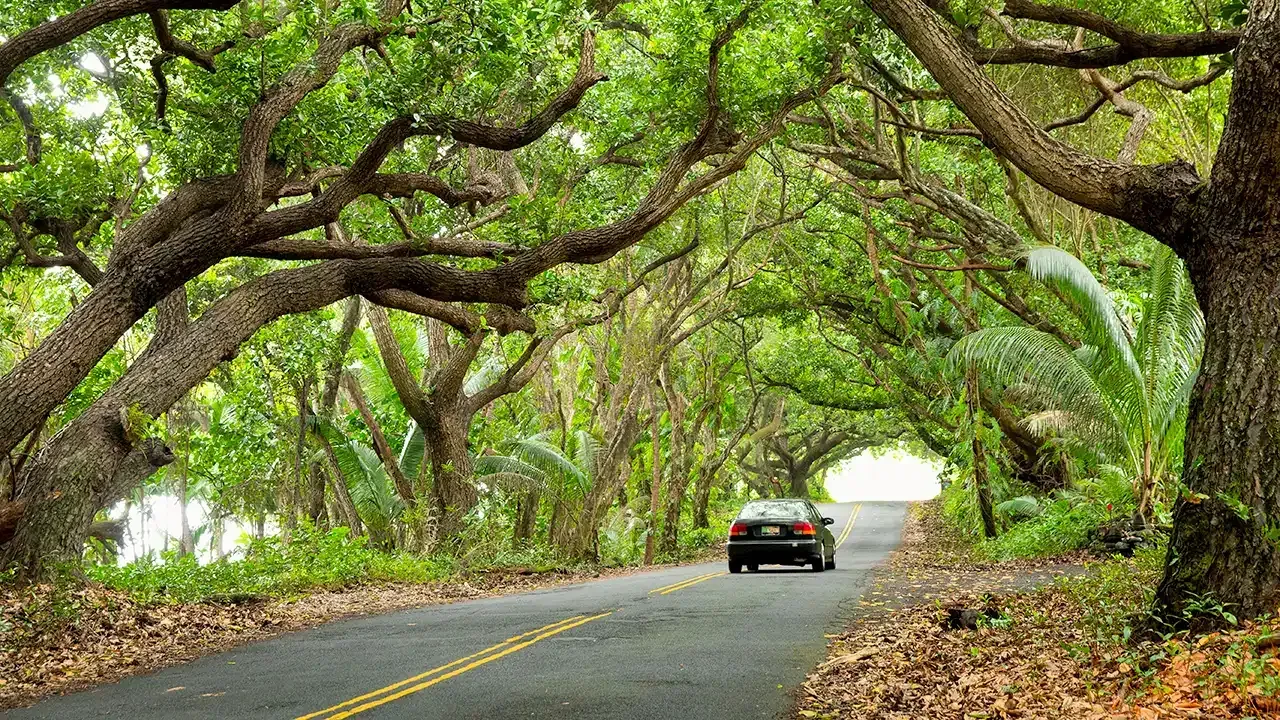
Many Hawaiian roads narrow to single lanes on bridges and can be unlit after sunset, especially in winter.
Navigating Hawaii's Narrow Roads & Unlit Areas
Roads are often reduced to a single lane to cross small bridges. Note that it becomes dark by 6pm in winter and that many roads lack lighting.
The Rough Guide to Hawaii, 2011
Island-Specific Tips:
Each island has unique hazards—plan accordingly:
- Traffic in Honolulu: Allow extra travel time for peak traffic.
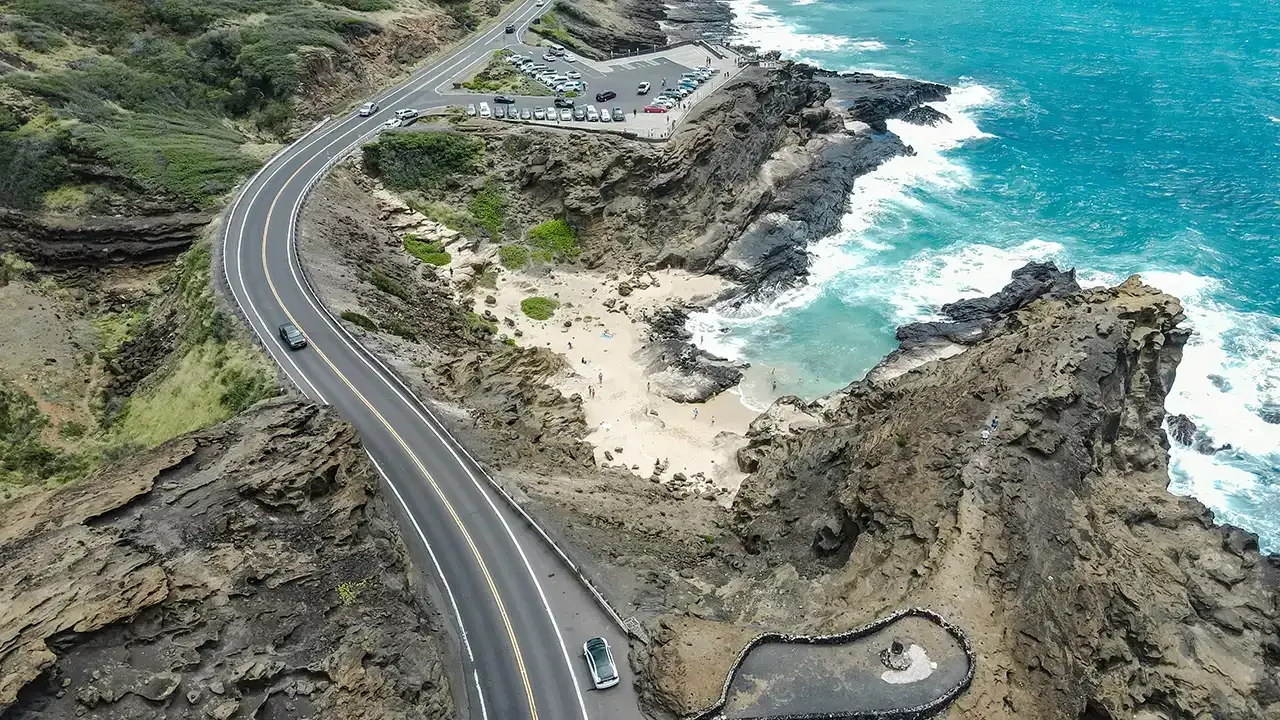
- Hana Highway: Take turns carefully on tight curves and yield to oncoming traffic.
- Kauai Single-Lane Bridges: Yield where indicated and proceed only when clear.
Slow, cautious driving is especially important on scenic or remote routes.
Cultural Considerations:
Respect local culture while driving:
- Respect for Sacred Sites: Observe signage and avoid trespassing near sacred areas.
- Engaging Locally: A polite wave or greeting fosters goodwill.
- Local Greetings: Small acts of respect go a long way in communities.
Social norms and local expectations can affect how people drive; be aware and courteous.
Hawaii Driving Etiquette: Cultural & Social Influences
Drivers, influenced by social expectations and cultural values and sometimes affected by alcohol and strong emotions, were often unaware of the hazards they posed to themselves and others.
Road warriors: Driving behaviors on a Polynesian island, 1999
Safety Tips:
Prioritise vehicle and passenger safety with routine checks and sensible behaviour.
- Wearing Seatbelts: Buckle everyone before moving.
- Vehicle Maintenance: Check brakes, tires, lights, and wipers before long drives.
- Natural Hazards: Watch for falling rocks, flash floods, and sudden weather changes.
When in doubt, slow down and seek a safe spot to stop if conditions worsen.
What Are the Essential Hawaii Driving Laws Every Tourist Must Know?
Know posted speed limits, seatbelt laws, and pedestrian right-of-way rules; these are enforced island-wide.
- Speed Limits: Observe local signage; limits change by zone.
- Seatbelt Requirements: Enforced for all passengers.
- Pedestrian Rules: Yield at crosswalks and watched areas.
How Do DUI and Pedestrian Laws Affect Tourists in Hawaii?
DUI laws are strictly enforced with serious penalties; always avoid impaired driving. Pedestrians have priority in marked crosswalks.
- DUI Laws and Penalties: Penalties include fines and possible license actions.
- Pedestrian Right of Way: Yield promptly to pedestrians.
How Should Tourists Adapt to Hawaii's Unique Driving Etiquette and Cultural Norms?
Adopt a patient, respectful driving style that reflects the local Aloha spirit.
- Embrace the Aloha Spirit: Be courteous and calm.
- Respect Local Customs: Follow signs and local guidance.
- Drive with Patience: Allow extra time in tourist areas.
What Local Road Etiquette Practices Should Visitors Follow?
Simple actions reduce friction on the road:
- Using Turn Signals: Signal early for clarity.
- Yielding to Pedestrians: Stop for people crossing at crosswalks.
- Avoiding Aggressive Driving: Keep space and avoid rapid lane changes.
How Do Community Events Influence Driving Behavior and Road Use?
Events can change traffic patterns—expect detours and increased pedestrian activity.
- Community Engagement: Check event schedules when planning travel.
- Driving Etiquette During Events: Drive slowly and watch for road users.
- Local Customs: Follow temporary signage and volunteer directions.
What Are the Best Rental Car Driving Tips and Safety Guidelines in Hawaii?
Inspect your rental, understand its features, and plan routes before you go.
- Driving Etiquette: Follow local norms and road laws.
- Navigating Rural Roads: Drive slowly on narrow, winding lanes.
- Traffic Laws: Keep documentation handy and obey signs.
How Can Tourists Safely Navigate Hawaiian Roads with Rental Vehicles?
Use maps, allow extra travel time, and be prepared for limited services in remote areas.
- Drive Etiquette: Be predictable and courteous.
- Rural Road Conditions: Expect limited shoulders and guardrails.
- Yielding Rules: Follow posted yield signs and bridge rules.
What Emergency Procedures Should Drivers Know While in Hawaii?
Keep emergency contacts and roadside assistance numbers accessible and know basic first-aid and evacuation routes for natural hazards.
- Emergency Contacts: Store local authorities and rental company numbers.
- Health Protocols: Be aware of local medical procedures after accidents.
- Natural Hazard Awareness: Move to higher ground in floods and follow official instructions.
Where Can Tourists Find Up-to-Date Hawaii Traffic Regulations and Road Alerts?
Use official state sites, visitor centres, and local news for timely information on laws and road conditions.
- Official State Resources: Check the Hawaii Department of Transportation for updates.
- Local Visitor Centers: Ask about current road advisories.
- Real-Time Updates: Monitor local media for closures and alerts.
How to Access Official Hawaii Department of Transportation Updates?
Visit the DOT website for road conditions, sign changes, and traffic advisories; check before travel during uncertain weather.
- Official Website Navigation: Look for alerts and travel advisories.
- Traffic Law Updates: Confirm any temporary rules or closures.
- Road Condition Alerts: Monitor during storms or heavy rainfall.
What Local Resources Provide Real-Time Traffic and Event-Related Road Closures?
Combine official sites with local news and visitor information to avoid delays.
- Hawaii.gov: State updates on road conditions.
- Local News Outlets: Timely traffic and closure reports.
- Visitor Information Centers: Local event impact and detour details.
Frequently Asked Questions
What should I do if I encounter a natural hazard while driving in Hawaii?
Slow immediately, move to a safe spot, and assess conditions. If unsafe to continue, wait for conditions to improve or call for assistance; check forecasts and local reports before travel.
Are there specific driving tips for navigating rural roads in Hawaii?
Drive slowly, watch for blind curves and wildlife, yield at single-lane bridges, and use offline maps where signal is poor.
How can I ensure my rental car is safe for driving in Hawaii?
Inspect brakes, tires, lights, wipers, and the spare before departure; familiarise yourself with headlights and signals.
What should I know about driving during community events in Hawaii?
Expect detours and extra pedestrians—allow extra time and follow event signage and volunteer directions.
How do I handle a roadside emergency in Hawaii?
Move to a safe location, activate hazards, contact roadside assistance or emergency services, and keep emergency contacts accessible.
What are the best practices for using GPS while driving in Hawaii?
Set destinations before driving, use current maps, download offline areas for weak signal zones, and still rely on road signs for local features.
How can I respect local customs while driving in Hawaii?
Be courteous, yield to pedestrians, signal consistently, and follow posted guidance near sacred sites to show respect and avoid conflicts.