Hawaii Safety Tips for Tourists: Essential Guidelines for Beaches, Hiking, and Outdoor Activities
Hawaii is renowned for its natural landscapes, cultural heritage, and opportunities for outdoor recreation. Ensuring a safe experience on beaches and trails is essential for all visitors. This article presents essential safety guidance for outdoor activities in Hawaii, including beach safety, hiking preparedness, emergency planning, and key contacts. Following these recommendations reduces risk and enables a more secure visit.
Beach Safety

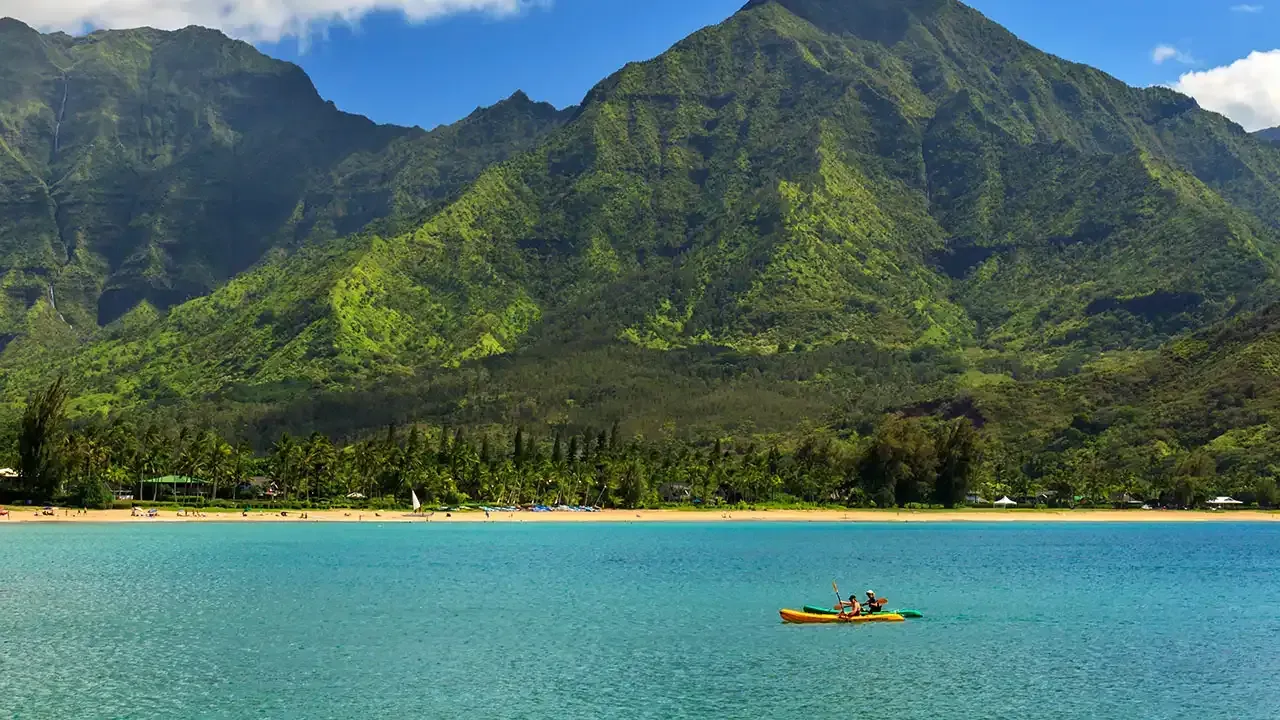
Beach safety is a primary concern for visitors to Hawaii's coastlines. Recognizing common hazards and applying appropriate mitigation measures improves safety. Core recommendations include swimming in lifeguarded areas, selecting reef-safe sunscreen, and maintaining adequate hydration. These actions protect visitors and support conservation of coastal environments.
- Swim in Designated Areas: Always swim in areas monitored by lifeguards to ensure safety from strong currents and waves.
- Use Reef-Safe Sunscreen: Protect your skin while also safeguarding Hawaii's marine life by choosing sunscreens that do not contain harmful chemicals such as oxybenzone and octinoxate, which are banned in Hawaii.
- Stay Hydrated: The Hawaiian sun can be intense, so drink plenty of water to avoid dehydration.
Further research documents the scientific debate and market effects related to Hawaii's reef-safe sunscreen regulations.
Hawaii Reef-Safe Sunscreen Regulations & Market
Following public debate, several jurisdictions—including Hawaii, the U.S. Virgin Islands and Palau—implemented bans on specific organic UV filters and sunscreen products. The measures targeted commonly used filters such as oxybenzone and octinoxate, while encouraging use of inorganic filters (for example, zinc oxide), although prior studies have documented toxicity of some filters to aquatic organisms. The bans were based on preliminary scientific studies that exhibited methodological weaknesses, and there remains no standardized testing scheme for scleractinian corals. Notwithstanding limited conclusive evidence, these regulatory actions have stimulated a market for products marketed as ‘reef safe’ or similar.
Toxic effects of UV filters from sunscreens on coral reefs revisited: regulatory aspects for “reef safe” products, IB Miller, 2021
Hiking Safety
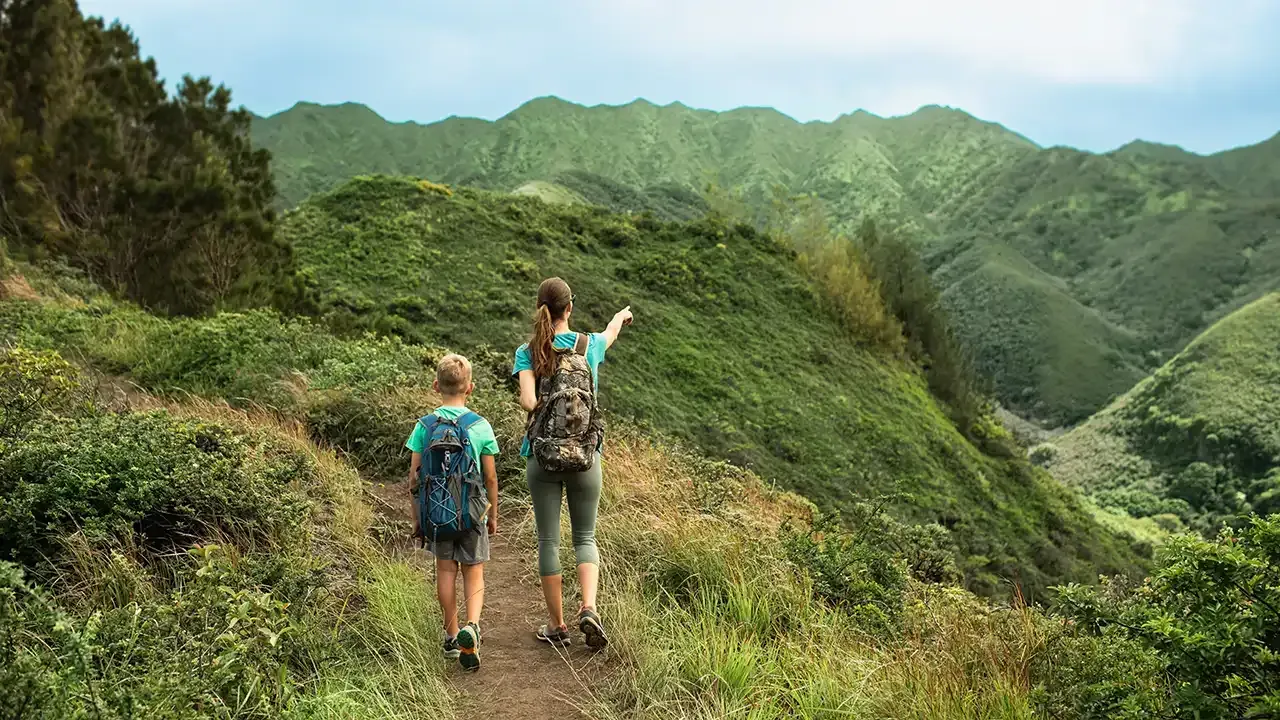
Hiking in Hawaii offers notable scenery but entails specific risks. To reduce risk, select appropriate trails, remain on marked paths, and inform a contact of your itinerary before departure. These precautions decrease the likelihood of accidents and support a safer outdoor experience.
- Choose Suitable Trails: Select trails that match your fitness level and experience. Research the trail conditions beforehand.
- Stay on Marked Paths: Straying from marked trails can lead to dangerous situations, including getting lost or encountering hazardous terrain.
- Inform Someone of Your Plans: Always let someone know your hiking route and expected return time for safety.
General Outdoor Activity Safety
When participating in outdoor activities, respect local wildlife, prepare for emergencies, and observe Leave No Trace principles. These practices protect visitors and Hawaii's ecosystems.
- Respect Local Wildlife: Observe animals from a distance and do not feed them, as this can disrupt their natural behavior.
- Emergency Preparedness: Always carry a first-aid kit and know the location of the nearest medical facilities.
- Follow Leave No Trace Principles: Minimize your impact on the environment by cleaning up after yourself and staying on designated paths.
Adherence to these guidelines enables enjoyment of Hawaii's natural areas while safeguarding personal safety and environmental integrity.
How Can Tourists Prepare for Emergencies While Exploring Hawaii?
Effective emergency response begins with preparation. Visitors should familiarize themselves with local emergency contacts, carry a basic first-aid kit, and be informed about area-specific hazards. Understanding appropriate actions for likely emergencies materially improves outcomes.
- Know Emergency Contacts: Familiarize yourself with local emergency numbers, including 911 for emergencies.
- Carry a First-Aid Kit: A basic first-aid kit can help you manage minor injuries while exploring.
- Be Aware of Local Hazards: Research potential hazards in the areas you plan to visit, such as strong currents or wildlife encounters.
Being prepared allows visitors to undertake activities with greater confidence and reduces exposure to risk.
What Are the Important Emergency Contacts and First Aid Tips?
Maintain current emergency contacts and basic first-aid knowledge. Key items to confirm include local emergency numbers, nearest medical facilities, and an understood plan for seeking help.
- Dial 911 for Emergencies: This is the primary number for emergency services in Hawaii.
- Keep Local Hospital Contacts: Know the nearest hospital or urgent care facility in case of serious injuries.
- Carry a Basic First-Aid Kit: Ensure your kit includes band-aids, antiseptic wipes, and any personal medications.
These measures support an effective response in emergency situations.
What Seasonal Safety Alerts Should Tourists Monitor in Hawaii?
Hawaii's weather and environmental conditions may change rapidly; visitors should monitor seasonal safety alerts. Regularly check forecasts, ocean hazard advisories, and wildlife notices to reduce exposure to risk.
- Monitor Weather Conditions: Check local forecasts regularly to prepare for sudden changes in weather.
- Check for Ocean Hazards: Be aware of surf conditions and warnings, especially if you plan to swim or surf.
- Stay Informed About Wildlife Warnings: Local authorities may issue alerts regarding wildlife activity, such as shark sightings or nesting seasons.
Staying informed reduces exposure to seasonal hazards and supports a safer visit.
Frequently Asked Questions
What should I pack for a safe outdoor adventure in Hawaii?
Pack items that ensure safety and comfort. Include a first-aid kit, sufficient water, snacks, and sunscreen (preferably reef-safe). Also bring a hat, sunglasses, appropriate hiking footwear, and a map or GPS device. A lightweight rain jacket is advisable due to variable weather. Consider insect repellent to reduce the risk of bites.
Are there specific wildlife encounters I should be cautious of in Hawaii?
Hawaii hosts wildlife that may pose risks. Exercise caution with jellyfish, which occur seasonally in coastal waters. Do not feed or approach protected species such as sea turtles and monk seals; such interactions can alter animal behavior and create hazards. Observe wildlife from a safe distance and follow local guidance to protect both visitors and animals.
How can I stay safe while snorkeling in Hawaii?
For safe snorkeling, select designated areas with lifeguard coverage. Verify local conditions—currents and visibility—prior to entering the water. Use the buddy system and wear a life vest if swimming ability is limited. Do not touch or stand on coral reefs, which are fragile. Rinse with fresh water after snorkeling to remove salt.
What are the best practices for hiking in Hawaii during the rainy season?
Hiking during the rainy season requires additional precautions. Check forecasts, expect slippery trails, and wear waterproof footwear; consider trekking poles for stability. Prefer shorter routes less prone to flooding and begin hikes early to avoid afternoon storms. Inform a contact of your itinerary and carry a map or GPS device to navigate obscured paths.
What should I do if I encounter a dangerous situation while hiking?
If confronted with a hazardous situation while hiking, remain composed and assess conditions. If lost, attempt to retrace steps to a known location. If encountering wildlife, withdraw slowly without sudden movements. Administer first aid for minor injuries and seek assistance for serious conditions. Maintain a charged mobile phone for emergency calls; a notified contact can alert authorities if you fail to return.
How can I minimize my environmental impact while enjoying outdoor activities?
Minimize environmental impact by applying Leave No Trace principles: carry out all waste, remain on marked trails to prevent erosion, and refrain from removing plants or disturbing wildlife. Use biodegradable products when feasible and select reef-safe sunscreen. Educate yourself on local species to respect the environment and preserve it for future visitors.