Hawaii Travel FAQs: Your Essential Guide to Planning and Exploring the Islands
Hawaii attracts travellers with distinctive landscapes, cultural heritage, and a wide range of experiences. Trip planning often raises questions about timing, safety, and top attractions. This guide answers common travel queries for Hawaii and provides practical information to support planning. It covers optimal travel periods, essential entry considerations, and recommended activities across the islands to help you organise a smooth visit.
Hawaii's reputation as a premier travel destination has developed over generations and has influenced the state's approach to tourism planning.
Hawaii: A Dream Destination & Tourism Planning
Mark Twain once described the Hawaiian Islands as “the loveliest fleet of Islands anchored in any ocean.” Comprehensive tourism planning arrived relatively late in the state, during the late 1970s.
Developing a dream destination: Tourism and tourism policy planning in Hawaii, 2008
What Are the Best Times to Visit Hawaii for Weather and Events?
Hawaii's climate is warm year-round, with seasonal variations. The best travel windows are April–June and September–November, when temperatures are pleasant and visitor numbers are typically lower. These months often bring better accommodation rates and less crowded attractions.
How Does Hawaii's Climate Vary Across the Islands?
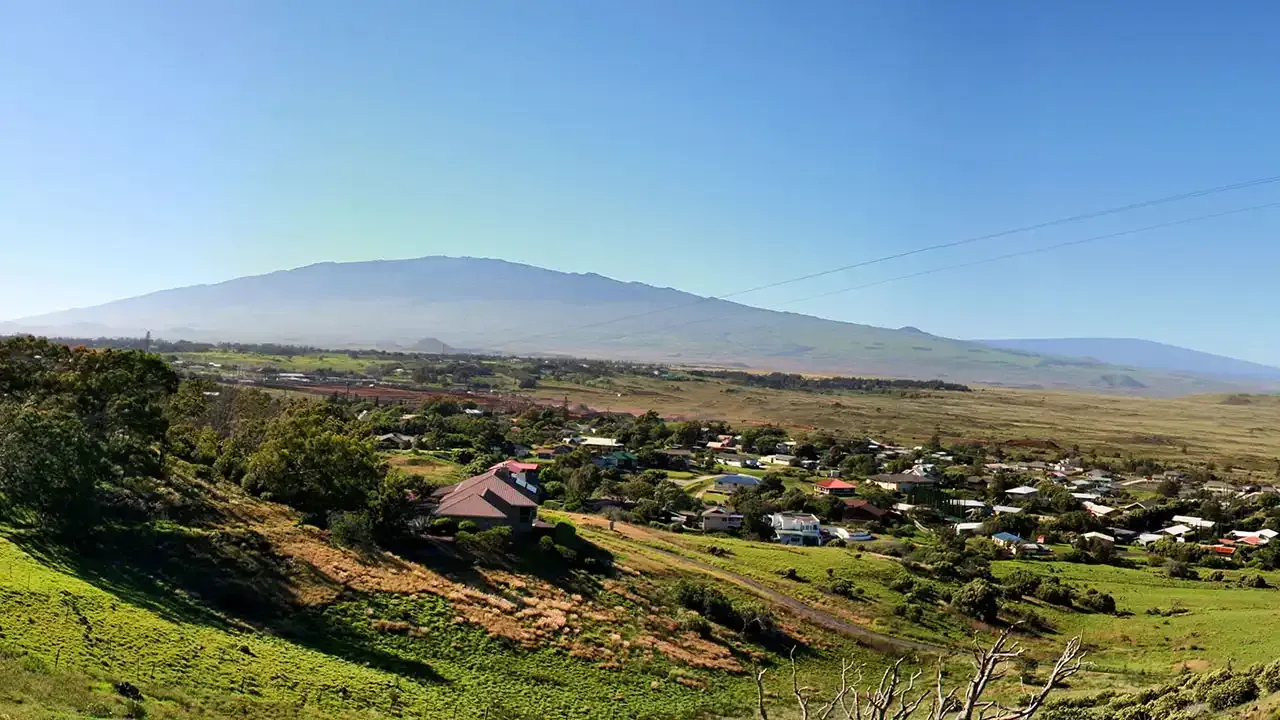
Geographic diversity creates distinct microclimates. The Big Island has rainforest conditions near Hilo and dry zones in Kona. Oahu stays largely tropical year-round, while Maui shows sharp contrasts between coastal areas and Haleakalā's summit. Expect local variation when packing and planning activities.
Which Local Festivals and Events Should Travelers Attend?
Hawaii hosts many cultural festivals that showcase native traditions. Notable events include the Merrie Monarch Festival in Hilo, focused on hula and Hawaiian heritage, and the Aloha Festivals, featuring parades and performances across several islands. Attending these events provides direct exposure to local cultural practice and community life.
The Merrie Monarch Festival exemplifies the resilience of Hawaiian cultural practices and the central role of hula in cultural expression.
Merrie Monarch Festival: Hula & Native Hawaiian Culture
The Merrie Monarch Festival in Hilo, Hawaiʻi evolved from a town fair into an event focused on hula, celebrating Native Hawaiian culture through performance.
The Merrie Monarch Festival in Hilo, Hawaiʻi: sovereign spaces reclaimed and created through hula competition, 1963--2010, 1963
What Travel Restrictions and Safety Guidelines Should Visitors Know?
Travel to Hawaii requires awareness of guidelines and restrictions to ensure a safe, compliant visit. Check current health and entry advisories before you depart.
Are There Current Health or Entry Requirements for Hawaii?
Travellers should confirm health advisories and entry requirements, including vaccination status and any testing protocols. Regulations can change; consult official state or federal sources before travel to confirm requirements and avoid delays on arrival.
What Safety Tips Should Travelers Follow on Different Islands?
Prioritise safety while exploring varied island environments. Respect customary practices at sacred sites. Follow ocean-safety guidance—be aware of rip currents and obey lifeguard instructions. Stay informed about natural hazards, such as volcanic activity on the Big Island.
Given the popularity of Hawaii's coastlines, adherence to established water safety guidance is essential for visitors.
Hawaii Coastal Safety: Water Activities & Tourist Guidelines
Visitor health and safety in aquatic environments is critical, as incidents can result in drowning or severe injury. The referenced chapter examines tourist activities in coastal and marine settings, identifies areas where difficulties commonly arise, and outlines services available through government agencies and organizations to assist visitors.
Safety in coastal and marine tourism, J Wilks, 2021
What Activities and Attractions Are Recommended for Visitors?
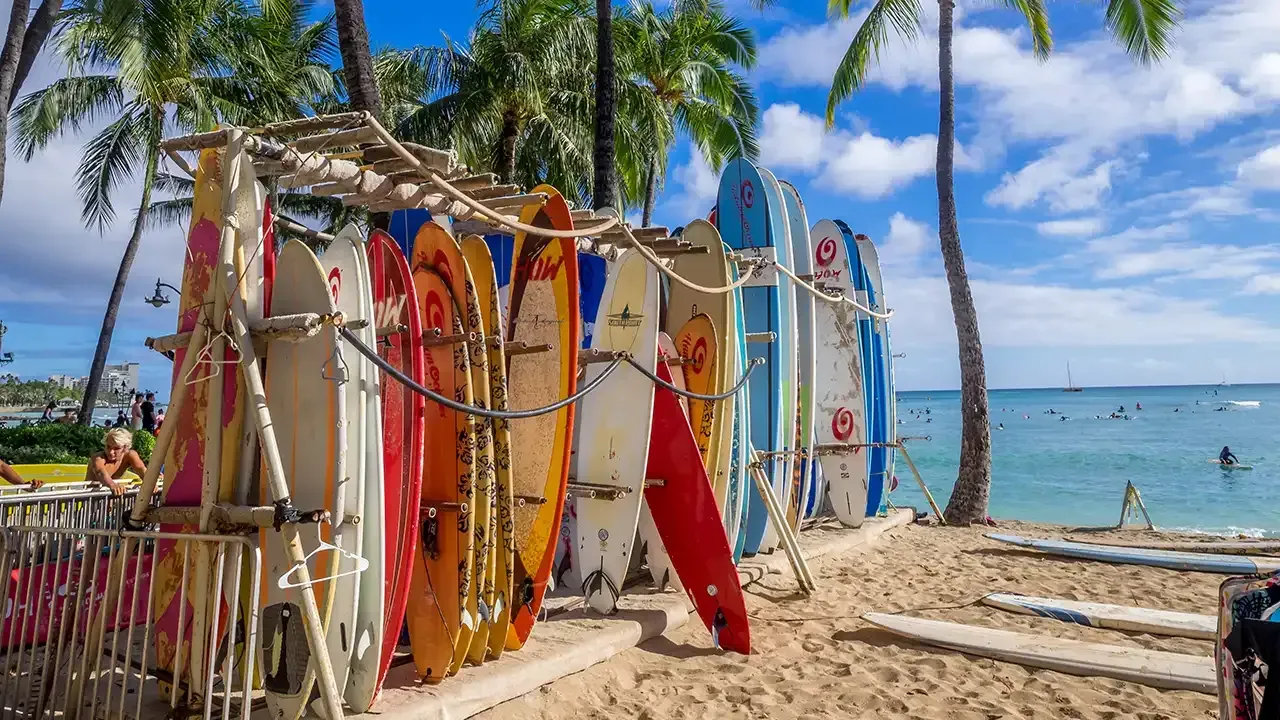
Hawaii offers a broad range of activities for varied interests, from outdoor adventures to cultural programming. Each island has distinct highlights; plan itineraries to match your priorities and preferences.
Which Outdoor Activities Are Popular on Oahu, Maui, Big Island, and Kauai?
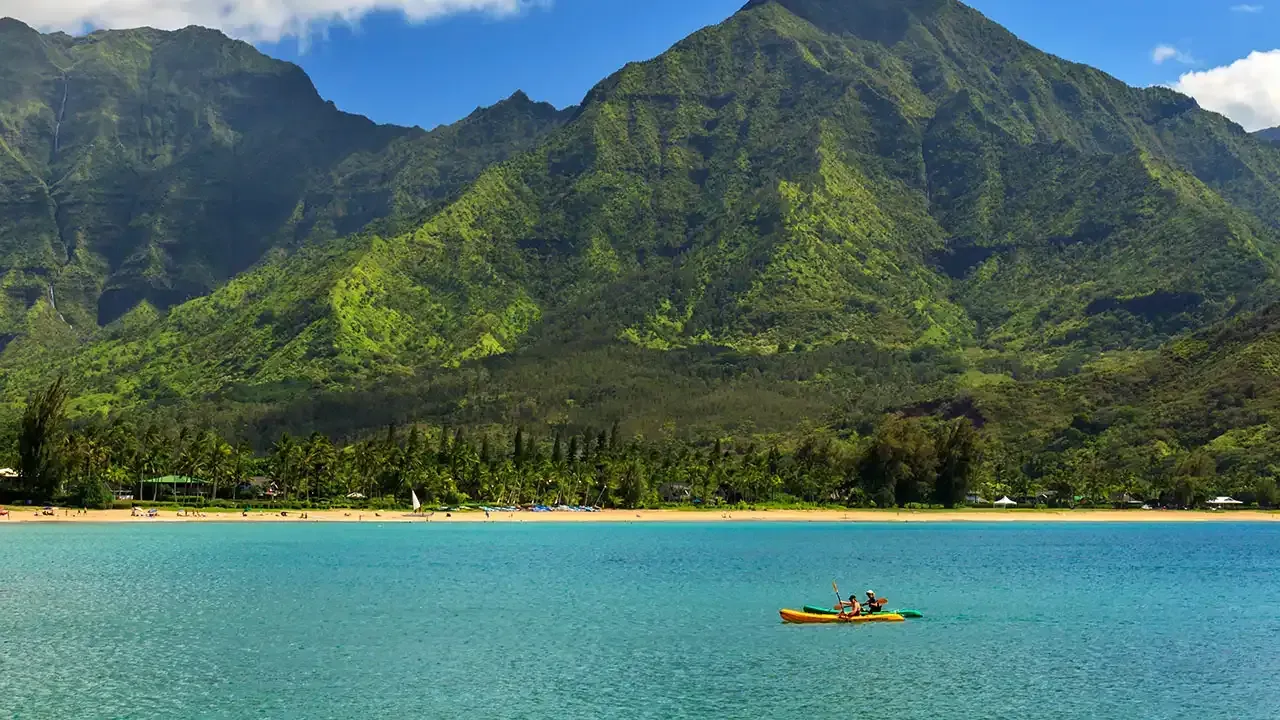
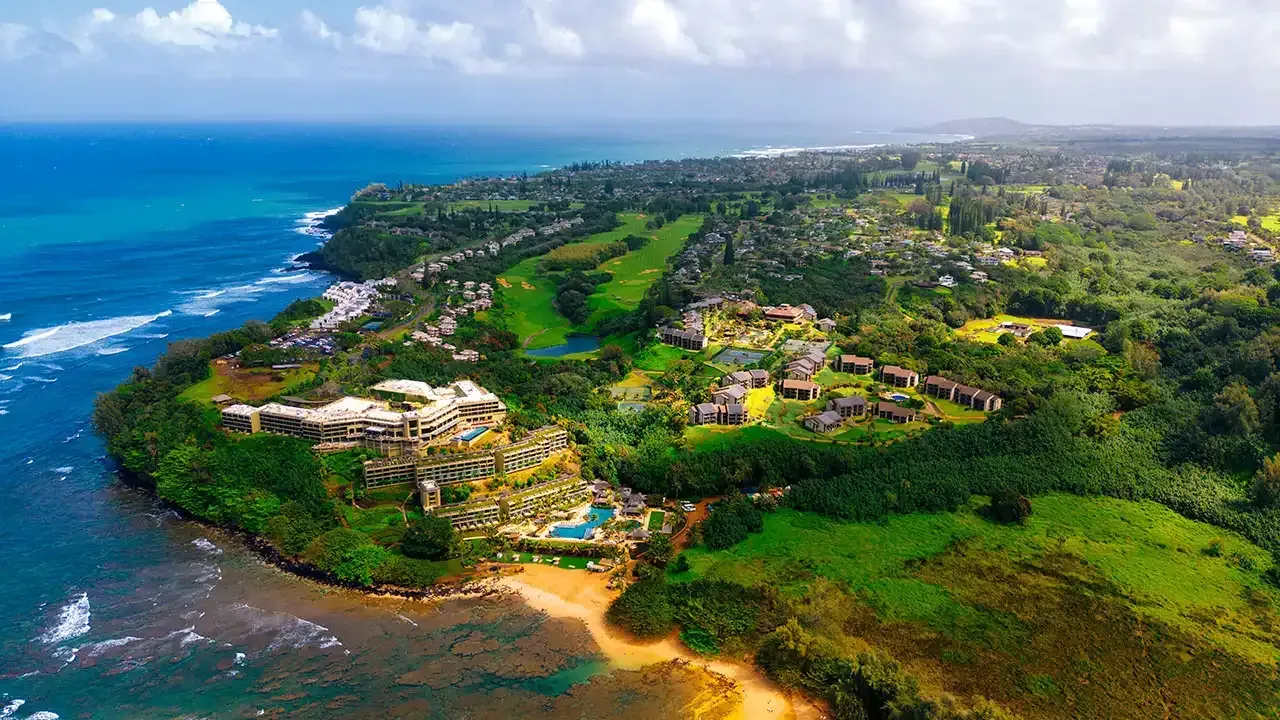
Outdoor options vary by island. Oahu: surfing at Waikiki and hiking Diamond Head. Maui: scenic drives on the Road to Hana and snorkeling at Molokini Crater. Big Island: Hawaii Volcanoes National Park and stargazing at Mauna Kea. Kauai: hiking in Waimea Canyon and along the Na Pali Coast.
How Can Visitors Experience Authentic Hawaiian Culture and Etiquette?
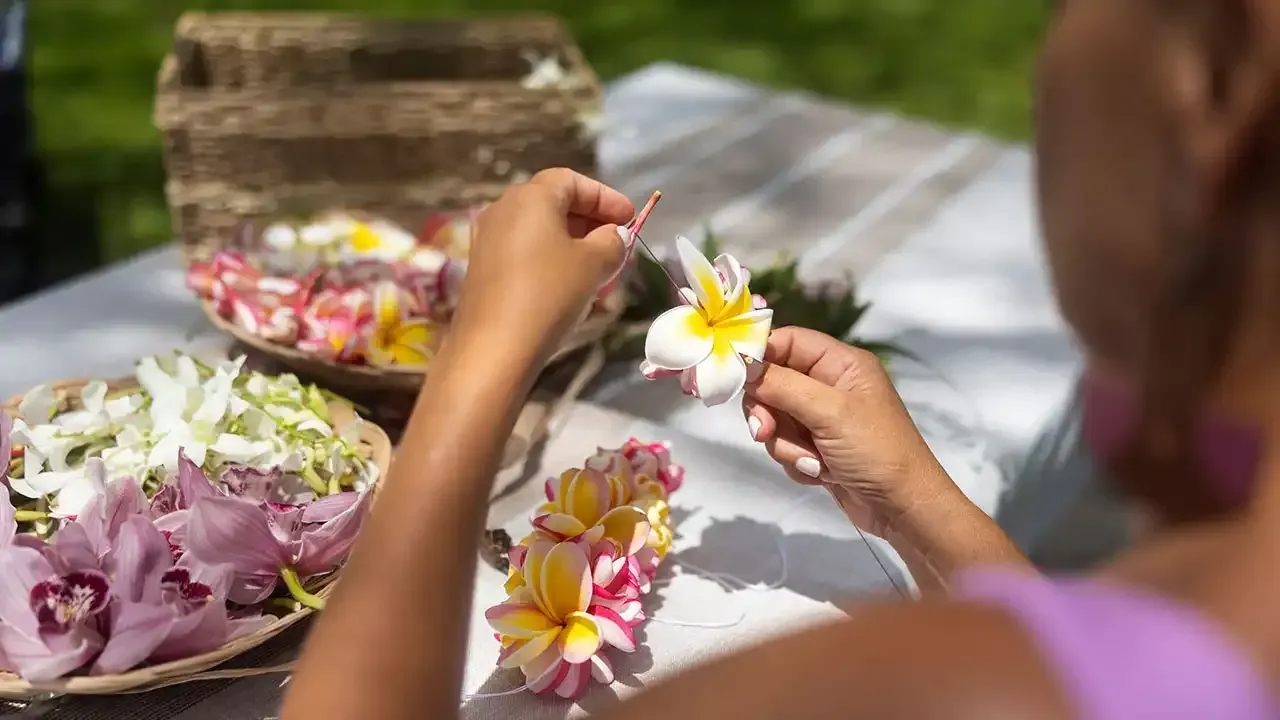
Engaging with Hawaiian culture enriches a visit. Take cultural workshops—hula or lei-making—to gain context. Observe local customs, including the greeting "Aloha" and basic Hawaiian phrases, to show respect when interacting with community members.
Activities and attractions differ by island and therefore provide distinct visitor experiences.
| Island | Popular Activities | Cultural Experiences |
|---|---|---|
| Oahu | Surfing, Hiking | Luau, Historical Tours |
| Maui | Snorkeling, Scenic Drives | Hula Performances, Art Festivals |
| Big Island | Volcano Tours, Stargazing | Cultural Workshops, Historical Sites |
| Kauai | Hiking, Kayaking | Local Festivals, Craft Markets |
Frequently Asked Questions
What is the best way to get around the Hawaiian Islands?
Transport options vary by island. Oahu has accessible public transit via TheBus. On Maui, the Big Island, and Kauai, renting a car is often advisable because public transport is limited. Rideshare services add flexibility. Check parking availability and restrictions at popular sites; planning ahead improves mobility and itinerary efficiency.
What should I pack for a trip to Hawaii?
Pack for the island climate and planned activities. Choose lightweight, breathable clothing and swimwear; include a light jacket for cooler elevations. Bring sturdy footwear for hiking and sandals for the beach. Also pack sunscreen, a reusable water bottle, and any snorkel gear you need. For sacred sites, include attire that covers shoulders and knees.
Are there any unique dining experiences in Hawaii?
Hawaii offers diverse dining that reflects regional influences. Attend a traditional luau to sample Hawaiian dishes and watch hula and live music. Food trucks—especially on Oahu—serve local items like poke and plate lunches. Many restaurants feature farm-to-table menus with local produce. Regional specialties include loco moco and shave ice.
What wildlife can I expect to see in Hawaii?
Hawaii supports unique terrestrial and marine wildlife. Native birds include the nēnē (Hawaiian goose) and the ʻiʻiwi, noted for red plumage. Marine life can include sea turtles, dolphins, and migrating humpback whales. Snorkeling and diving reveal coral reefs and tropical fish; observe wildlife at a distance to protect fragile ecosystems.
What are the best family-friendly activities in Hawaii?
There are many family-oriented activities. On Oahu, the Honolulu Zoo and Waikiki Aquarium suit children. Maui beaches such as Kaanapali are good for swimming and play. The Big Island's Imiloa Astronomy Center has interactive exhibits on astronomy and Hawaiian culture. Boat tours of Kauai's Na Pali Coast offer scenic family excursions. Confirm age restrictions for specific activities.
How can I support local communities while visiting Hawaii?
Support local communities by choosing locally owned accommodations and dining at family-run establishments. Join cultural workshops or volunteer programs that benefit residents. Buy handmade goods from local artisans rather than mass-produced souvenirs. Respect the environment and local customs to foster positive community relations.