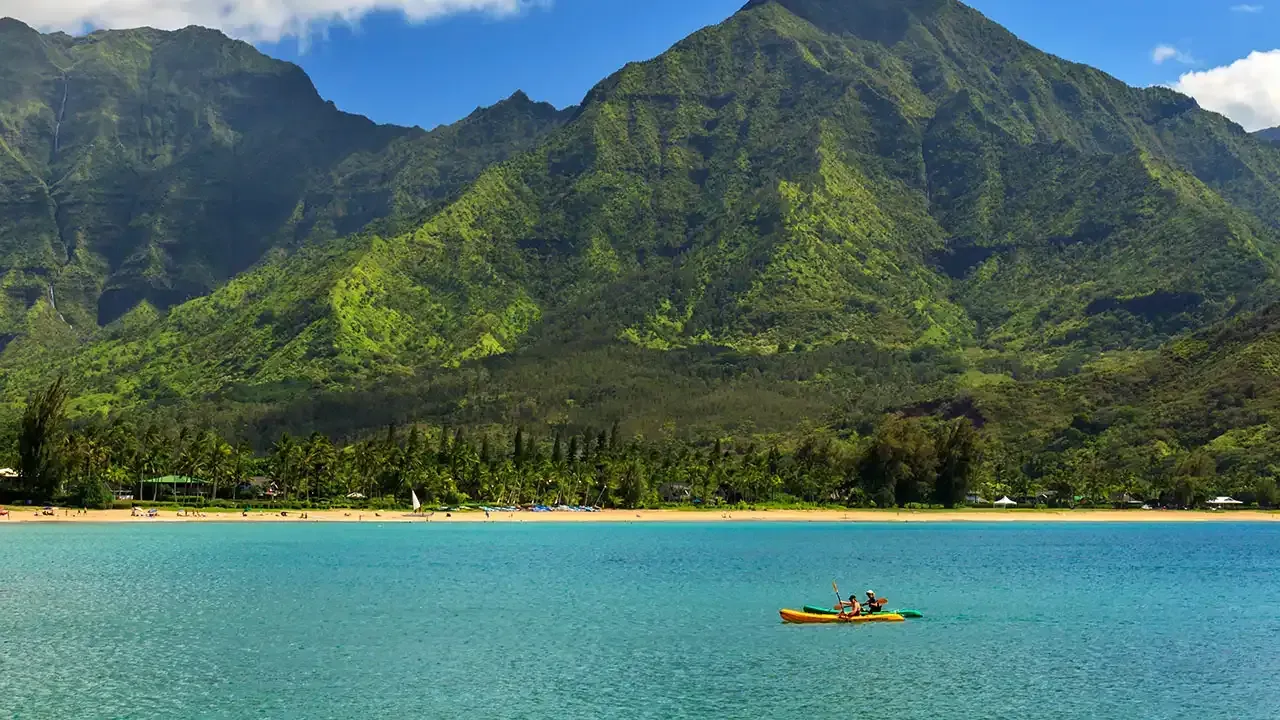
Sustainable Travel in Hawaii: Essential Eco-Friendly Tips for Responsible Visitors
Sustainable travel reduces environmental impact while allowing visitors to enjoy Hawaii's landscapes and culture. Practicing eco-friendly habits helps preserve natural and cultural resources and benefits local communities.
This guide covers practical tips, sustainable behaviours, conservation-minded activities, and criteria for choosing eco-friendly lodging so readers can make informed travel choices.
Eco-Friendly Tips for Responsible Visitors
Simple actions can significantly lower your footprint while visiting Hawaii:
- Use Reusable Items: Bring bottles, bags, and utensils to cut single-use plastic waste.
- Opt for Public Transportation: Use buses, shuttles, or bikes to reduce car travel and emissions.
- Participate in Local Conservation Efforts: Join beach clean-ups or volunteer with community groups.
These steps protect ecosystems and deepen your connection with local people and culture.
A study further emphasises the role of visitor education in reducing impacts and fostering constructive relationships with local residents.
Hawaii Visitor Education for Eco-Friendly Travel
The primary objective of "Encouraging Visitors to Malama I Ke Kai" (take care of the ocean) was to inform visitors on how to tread lightly on Hawai'i's environment while also building a bridge with "kama'aina" (residents).
Building an Education Program to Support Positive Relationships between Visitors, Kama'aina, and the Environment in Hawai'i., C Drury, 2025
Sustainable Practices

Support sustainability by choosing local businesses, conserving resources, and respecting Hawaiian customs:
- Supporting Local Businesses: Buy local produce and goods to keep tourism income in the community.
- Respecting Natural Resources: Conserve water and avoid litter to protect fragile ecosystems.
- Educating Yourself About Local Customs: Learn and follow cultural norms to show respect.
These behaviours support environmental protection and community resilience.
Impact of Tourism on the Environment
Tourism can strain resources and habitats through overcrowding, waste, and pollution. In response, some sites limit visitor numbers to protect sensitive areas. Understanding these pressures helps visitors choose responsibly.
Recommendations for Eco-Friendly Activities
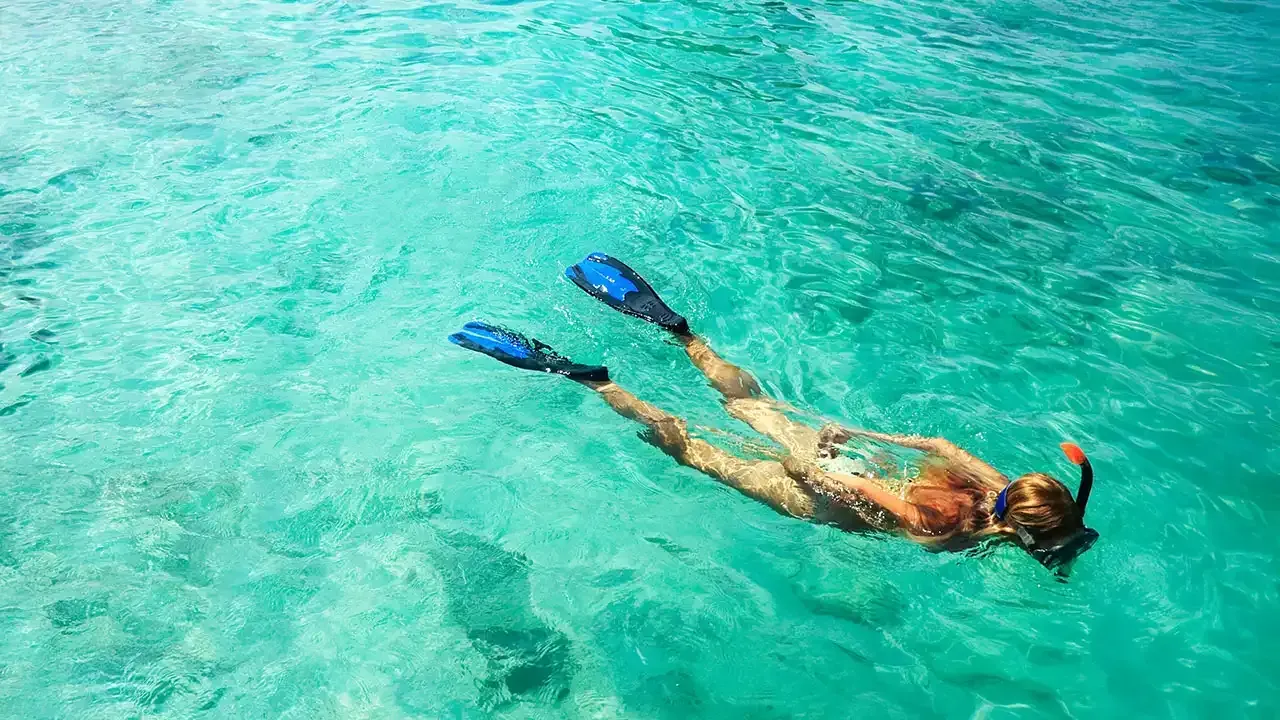
Choose activities that combine enjoyment with conservation and cultural respect:
- Guided Eco-Tours: Learn from guides who prioritise habitat protection and education.
- Cultural Events: Attend community-led events that celebrate traditions sustainably.
- Outdoor Adventures: Hike, snorkel, or kayak responsibly—follow local rules and stay on marked trails.
Such experiences support local conservation and provide meaningful learning opportunities.
Eco-Friendly Accommodations

When selecting lodging, prioritise properties that reduce resource use and support the community:
- Look for Eco-Resorts: Prefer hotels with energy- and waste-saving measures.
- Check for Sustainability Certifications: Certifications like Green Key or LEED can indicate verified practices.
- Support Local Economies: Choose locally owned stays when possible.
Eco-friendly accommodation choices reinforce sustainable tourism goals.
What Are the Top Eco-Friendly Activities to Experience in Hawaii?
Top options include beach clean-ups, guided eco-tours, and sustainable farm visits—each combining education, direct conservation, and local benefit.
Which Native Hawaiian Cultural Events Promote Sustainable Tourism?
Events such as the Merrie Monarch Festival and Aloha Festivals, along with cultural workshops, celebrate traditions and encourage respectful visitor behaviour.
How Do Eco-Tours Support Environmental Conservation in Hawaii?
Eco-tours provide education, organise conservation activities like clean-ups, and promote respectful wildlife and habitat interactions.
How Can Visitors Choose Sustainable Accommodations in Hawaii?
Research environmental practices, favour properties involved in community outreach, and look for lodgings that offer sustainability education to guests.
What Certifications Indicate Green and Eco-Friendly Lodging Options?
Certifications such as Green Key and LEED (and clear sustainable sourcing policies) help identify hotels meeting recognised environmental standards.
Where to Find Accommodations Powered by Renewable Energy in Hawaii?
Search for properties with solar systems, energy-efficient installations, and active support for local conservation programs to minimise stay-related emissions.
What Responsible Tourism Practices Should Visitors Follow in Hawaii?
- Use Reusable Items: Avoid single-use plastics.
- Opt for Eco-Friendly Transportation: Walk, bike, or use public transport when feasible.
- Respect Sacred Sites: Follow signs and local guidance to protect cultural places.
Following these practices helps protect Hawaii's natural and cultural assets.
How to Minimize Waste and Practice Zero Waste Travel in Hawaii?
- Use Reusable Items: Carry bottles, bags, and containers.
- Participate in Clean-Up Activities: Support local waste-reduction efforts.
- Avoid Single-Use Plastics: Choose products with less packaging.
These steps reduce pollution and support circular-economy approaches to plastic issues.
Hawaii Plastic Pollution & Circular Economy Solutions
The study presents a comprehensive literature review of the impacts of plastic pollution within the Hawaiian ocean ecosystem. It identifies single-use plastics, microplastics, and abandoned fishing gear, and examines their effects on marine life, ecosystems, and human health. The paper advocates adoption of circular-economy approaches—such as innovative recycling methods, reduced plastic production, and promotion of sustainable alternatives—to mitigate these impacts.
A review of Hawaii and plastic pollution: Potential innovations within circular economy?, P Ayassamy, 2025
What Are the Guidelines for Respecting Local Communities and Natural Areas?
- Engage in Local Conservation Efforts: Volunteer or donate to community-led projects.
- Support Local Businesses: Buy local food and crafts.
- Learn and Use Local Language: Simple Hawaiian phrases show respect.
Respectful conduct fosters positive relationships and sustainable tourism outcomes.
Which Conservation and Community Initiatives Can Travelers Support in Hawaii?
Consider programs such as Malama Hawaii, the Hawaii Wildlife Fund, and local farmers' markets to support conservation and community wellbeing.
How Do Local Conservation Projects Enhance Sustainable Tourism?
Local projects engage visitors in hands-on conservation, provide education on ecosystems, and create tangible benefits for communities.
What Opportunities Exist for Participating in Community-Based Tourism?
Options include beach cleanups, wildlife protection programmes, and cultural workshops—each lets visitors learn and contribute directly.
Frequently Asked Questions
What are the benefits of sustainable travel for local communities in Hawaii?
Sustainable travel channels revenue to local businesses, protects cultural heritage, and supports community-led conservation and education initiatives.
How can travelers reduce their carbon footprint while visiting Hawaii?
Choose low-emission transport (public transit, cycling, walking), stay at properties using renewable energy, and combine trips to limit vehicle use.
What role do local farmers' markets play in sustainable tourism?
Farmers' markets provide fresh, local food, cut transport emissions, support farmers, and educate visitors about local food systems.
How can visitors engage with Hawaiian culture responsibly?
Attend community-led events, learn basic Hawaiian phrases, follow cultural protocols, and support local artisans.
What are some eco-friendly dining options in Hawaii?
Look for restaurants that use local, organic produce and sustainable seafood and that practise composting and waste reduction.
What should travelers know about wildlife protection in Hawaii?
Observe wildlife from a distance, avoid disturbing habitats, and consider joining conservation programmes that protect endangered species.
How can tourists contribute to conservation efforts during their stay?
Volunteer with beach clean-ups or restoration projects, support eco-conscious tours and lodgings, and donate to reputable local organisations.