Top Big Island Beaches: Your Guide to Black Sand and Green Sand Shores
The Big Island is home to some of Hawaii’s most unusual and unforgettable beaches — stretches of black and green sand formed by volcanic forces and mineral deposits. These shores deliver dramatic scenery, hands-on cultural moments, and plenty of outdoor options. This guide highlights the island’s top black- and green-sand beaches, explains what makes each one special, covers things to do, and touches on cultural context you’ll want to notice. Whether you’re after a quiet stretch of sand, clear snorkeling water, or a deeper look at Hawaiian traditions, this guide will help you plan your visit. Featured spots include Punalu'u Black Sand Beach, Papakōlea (Green Sand) Beach, and the island’s best beach activities.
Why Punalu'u Black Sand Beach Belongs on Your List
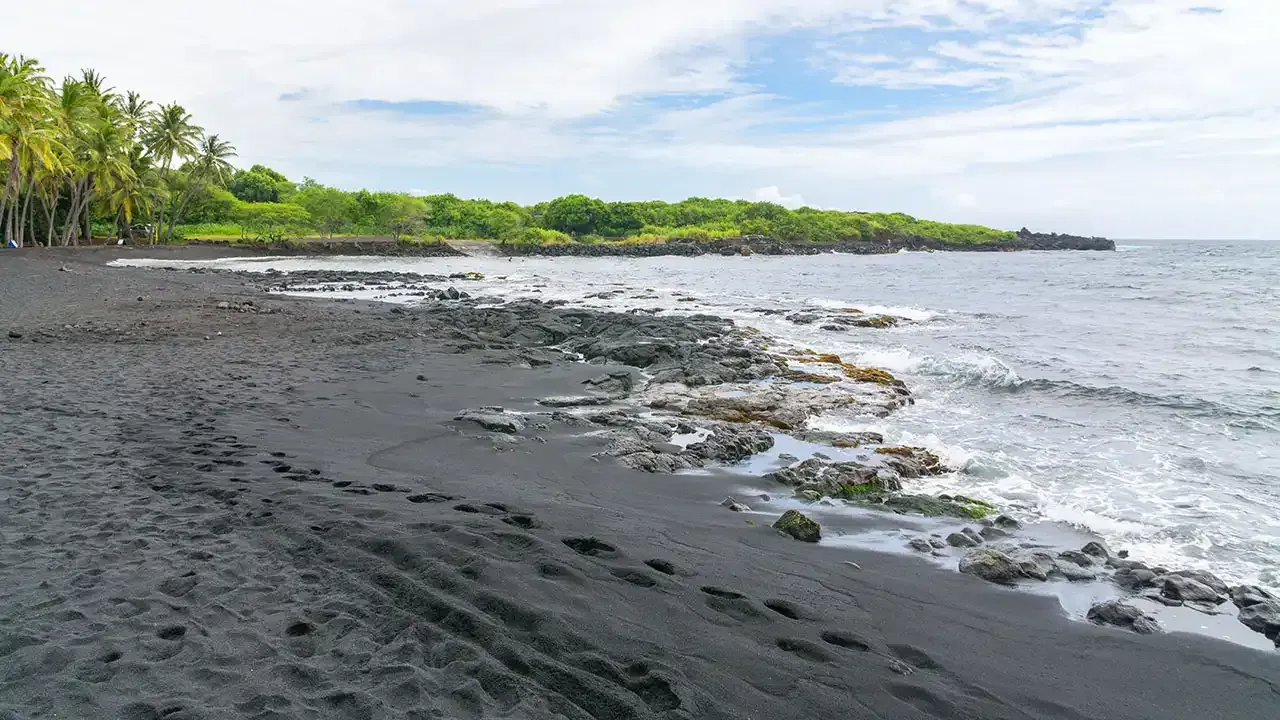
Punalu'u is famous for its jet-black sand — a direct result of lava meeting the ocean and breaking down into fine, glassy grains. That unique sand supports shoreline life, and you’ll often see endangered Hawaiian green sea turtles resting there. It’s a beautiful place to swim when conditions allow, relax on the sand, and take in broad ocean views.
Where is Punalu'u Black Sand Beach located on the Big Island?
Punalu'u sits on the island’s southern shore, roughly 30 miles from Kailua-Kona. You can reach it easily from Highway 11, making it a convenient stop on many island drives. It’s also close enough to Hawaiʻi Volcanoes National Park to pair both visits into the same day.
What activities can you enjoy at Punalu'u Black Sand Beach?
At Punalu'u you’ll find a handful of popular ways to enjoy the day:
Swimming: When the surf is calm, the water is great for a refreshing dip.- Snorkeling: Explore nearby reefs and look for reef fish and marine life when visibility is good.
- Wildlife viewing: It’s one of the best places on the island to spot Hawaiian green sea turtles lounging on the sand.
These activities make Punalu'u a good mix of laid-back beach time and light adventure.
How Can You Experience Papakolea Green Sand Beach Safely and Easily?
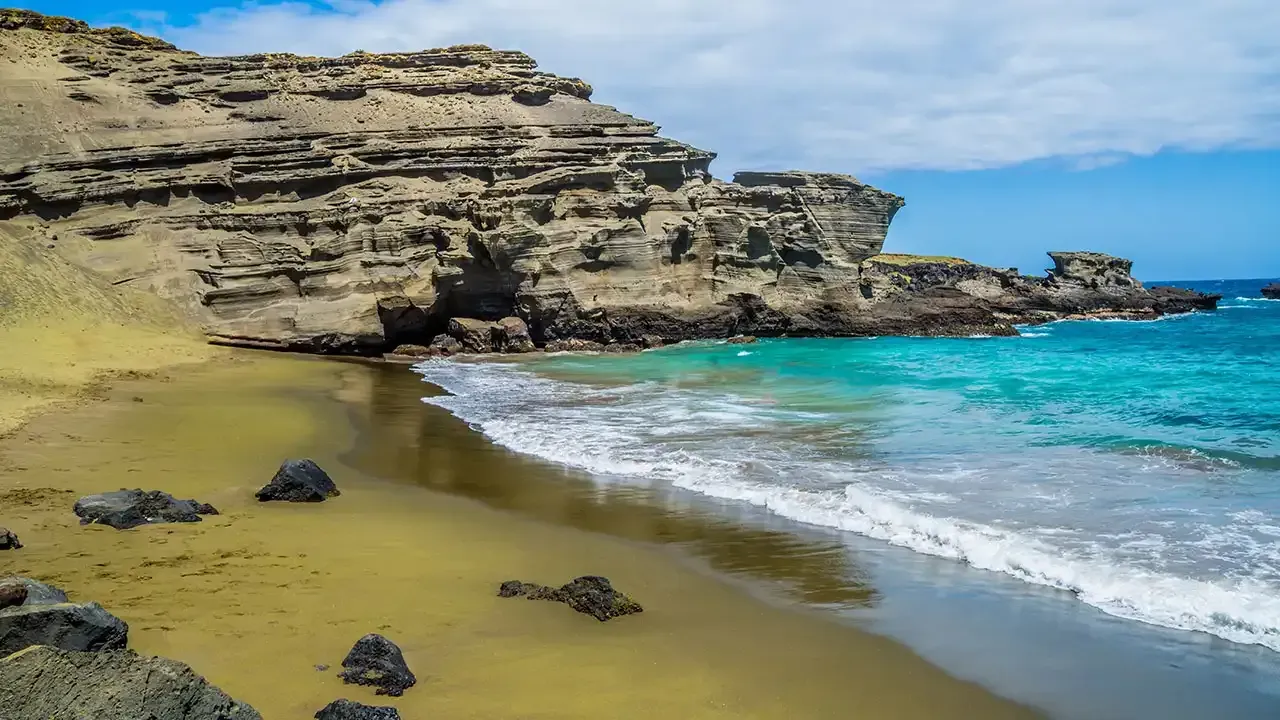
Papakōlea, also called Mahana Beach, is prized for its rare green sand, colored by the mineral olivine. Reaching it requires more effort than getting to Punalu'u, but the unusual color and rugged coastal scenery make the hike well worth it for many visitors.
If you’re curious why these beaches vary so much in color, geologic studies explain how different minerals and rock fragments create distinctive sands.
Mineralogy of Unique Beach Sands: Pyroxene & Olivine
X-ray diffraction (XRD) indicates these sands are largely quartz and feldspar, with smaller amounts of Mg‑calcite, pyroxene, and olivine. Light microscopy and SEM–EDS support the XRD findings and show oxide-bearing rock fragments alongside biological material such as coral and foraminifera.
Allen, A., McLeod, C.L., Velázquez Santana, L.C. et al. Mineralogy and geochemistry of sands from Playa las Golondrinas, Puerto Rico: an approach to establishing a geogenic background. Environ Earth Sci 84, 31 (2025).
How do you get to Green Sand Beach on the Big Island?
To reach Papakōlea most visitors hike about 2.5 miles from the nearest parking area. The trail follows the coastline and offers rewarding views, but it’s a solid walk — wear sturdy shoes, bring sun protection, and carry plenty of water.
What should you know about safety and accessibility at Green Sand Beach?
Keep these safety and access tips in mind before you go:
- Stay on marked trails: Protect fragile terrain and avoid unsafe shortcuts by sticking to established paths.
- Be cautious of strong currents: The shoreline can be unpredictable; only enter the water if conditions are safe.
- Accessibility: The hike and terrain aren’t suitable for everyone—plan accordingly if mobility is a concern.
Following these guidelines helps protect both visitors and the coastline.
What Are the Best Beach Activities and Snorkeling Spots on Big Island?
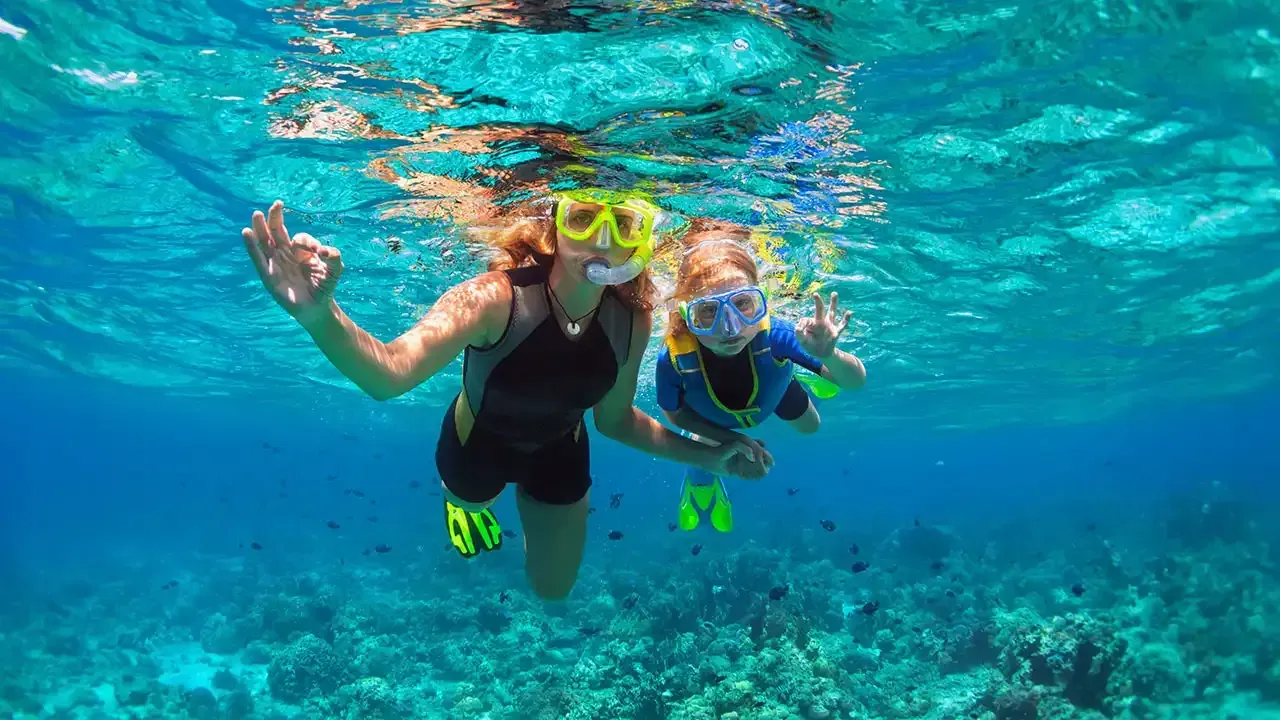
The Big Island offers a wide range of beach activities and snorkeling sites for different skill levels. From vibrant reef systems to sheltered beach parks, you’ll find family-friendly options and spots for more experienced snorkelers alike.
Which Big Island beaches offer the best snorkeling experiences?
Top snorkeling spots to consider:
- Kealakekua Bay: Famous for clear water and abundant marine life, it’s a standout destination for snorkelers.
- Honaunau Bay: Part of a protected marine area, this bay is ideal for observing tropical fish and coral ecosystems.
- Kahalu'u Beach Park: A family-friendly cove with calm water, great for beginners and frequent snorkeling outings.
What other fun activities can you do at Big Island beach parks?
Beach parks here offer more than swimming and snorkeling:
- Picnicking: Many parks have tables and shady spots for a relaxing meal.
- Hiking: Nearby trails deliver scenic coastal overlooks and fresh perspectives on the shoreline.
- Cultural events: Local gatherings and festivals are chances to learn and celebrate Hawaiian traditions.
Mixing these activities into your day gives you variety and a deeper connection to place.
How Do Local Events and Hawaiian Culture Enhance Your Beach Visit?
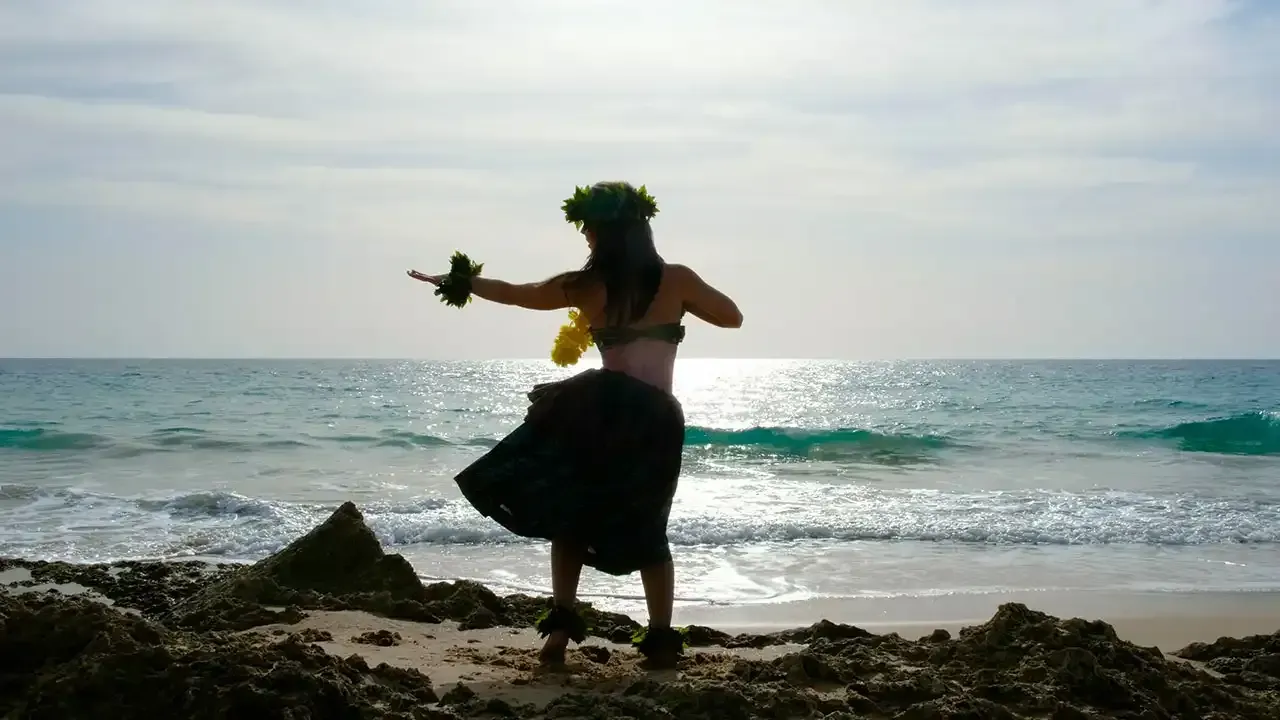
Learning about Hawaiian culture and joining local events adds richness to any beach trip. The Big Island hosts festivals, workshops, and community gatherings that highlight history, arts, and food—each one a chance to learn from local leaders and practitioners.
What local events happen near Big Island’s black and green sand beaches?
Look for year-round events such as:
- Hula festivals: Traditional dance and music performances that celebrate Hawaiian storytelling.
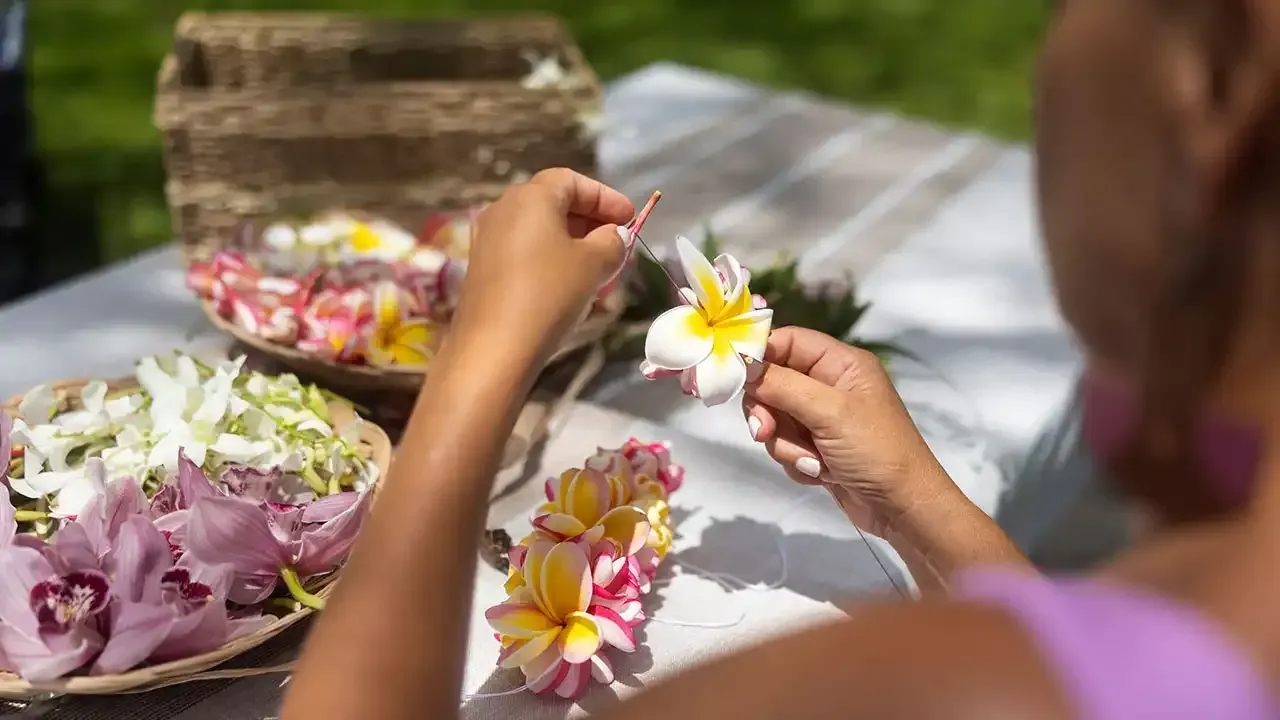
- Cultural workshops: Hands-on opportunities to learn crafts, navigation, and other island traditions.
- Food festivals: Local food events where you can taste traditional dishes and regional specialties.
Why is understanding Hawaiian culture important when visiting these beaches?
Respecting Hawaiian culture helps you connect to the land and the people who care for it. Learning local customs and participating respectfully leads to a deeper appreciation of the places you visit and the stories behind them.
Frequently Asked Questions
What is the best time to visit the black and green sand beaches on the Big Island?
The dry season, typically April through October, tends to bring the most reliable sun and calmer seas—good for swimming and snorkeling. The shoulder months of March and November can offer pleasant weather with fewer crowds. Always check the local forecast before you go so you can plan around current conditions.
Are there any facilities available at Punalu'u and Papakolea beaches?
Yes. Punalu'u has restrooms, picnic areas, and marked parking, which makes it an easier stop for families. Papakōlea is more remote with very limited facilities, so bring water, snacks, and any supplies you need. Check local updates before your trip, as conditions and services can change.
Can you camp near the black and green sand beaches?
You cannot camp directly on Punalu'u or Papakōlea beaches. There are nearby campgrounds and parks where camping is allowed—for example, Hawaiʻi Volcanoes National Park offers campsites with access to trails and scenic views. Always verify permit requirements and park rules before planning an overnight stay.
What wildlife can you expect to see at these beaches?
Both beaches support varied wildlife. At Punalu'u you’ll often see endangered Hawaiian green sea turtles and shorebirds. Papakōlea’s coastline supports native birds and marine life. Wildlife viewing is a highlight—keep a respectful distance and avoid disturbing animals or their habitat.
Are there guided tours available for visiting these beaches?
Yes—local tour operators offer trips to Punalu'u and Papakōlea that may include transport, guided hikes, and background on geological and cultural significance. Tours are a good choice if you want expert context or prefer not to navigate the route on your own.
What should you bring when visiting these beaches?
Be prepared: bring plenty of water, reef-safe sunscreen, and a hat. If you’re hiking to Papakōlea, wear sturdy shoes and pack snacks. A camera or phone is handy for photos, and please carry out all trash so these special places stay clean for everyone.