Explore the Kona Coast on the Big Island — Beaches, Snorkeling and Cultural Highlights
The Kona Coast of the Big Island pairs warm shorelines, lively marine life and meaningful cultural sites. This short guide points out family-friendly beaches, top snorkeling spots and important historic landmarks so you can balance relaxation with active exploration.
A Closer Look at the Kona Coast, Big Island
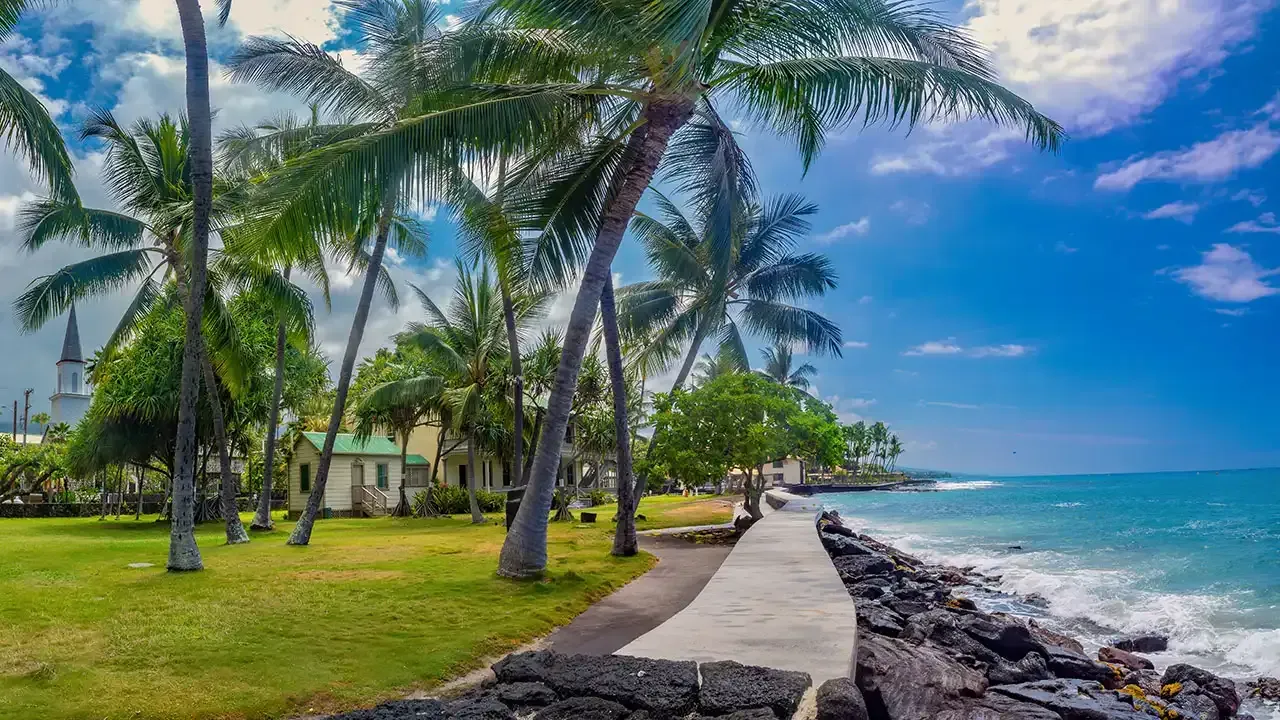
Kona blends dramatic volcanic scenery, outdoor recreation and living Hawaiian culture. Swim, snorkel, surf or take a stroll through coastal parks while soaking in ocean views and cultural sites.
Beaches
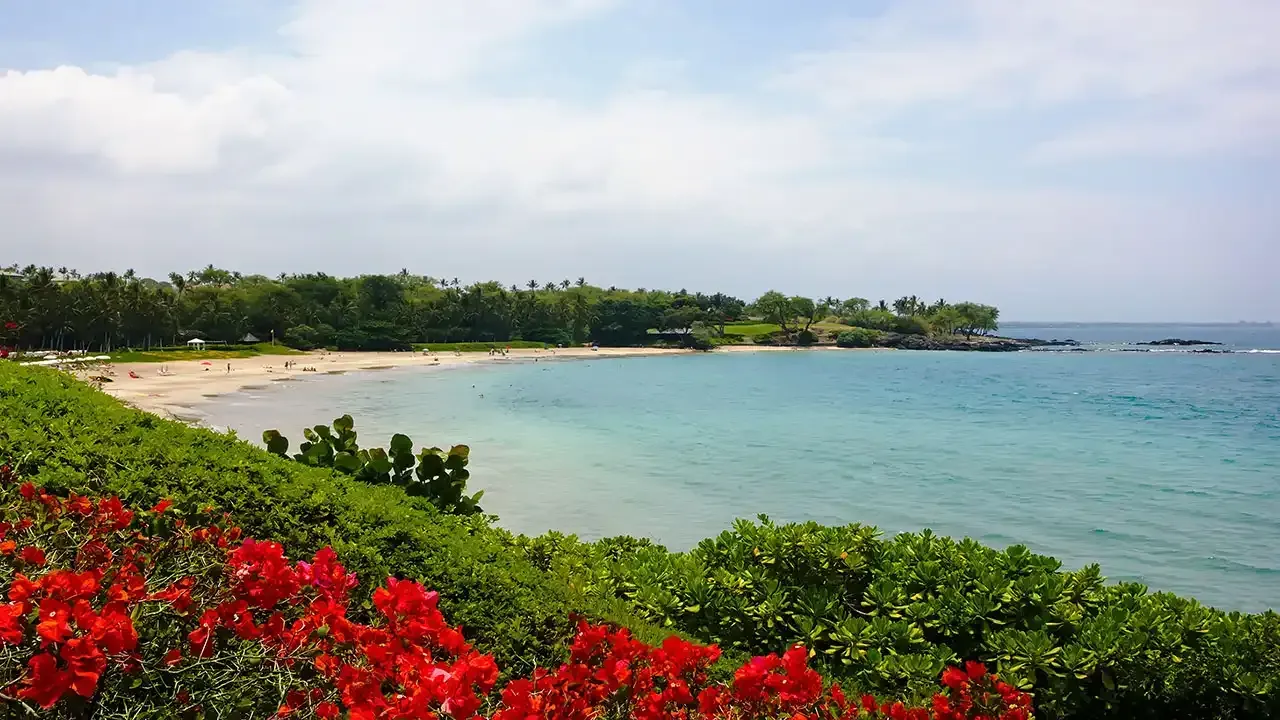
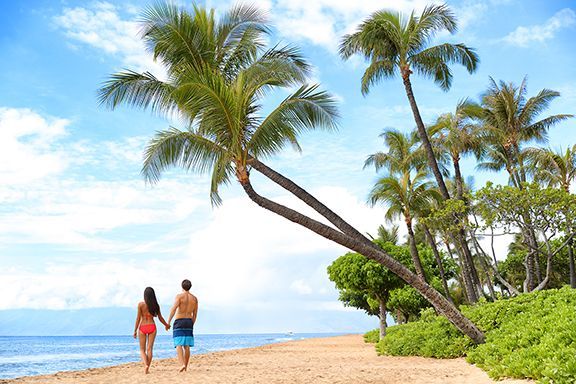
Kona’s beaches range from sheltered family coves to wide sandy stretches—pick one based on the activities and amenities you want.
- Kahaluʻu Beach Park: Sheltered, shallow water—perfect for families and new snorkelers.
- Hapuna Beach Park: Long stretch of white sand, ideal for swimming and full-day visits.
- Spencer Beach Park: Located beside Puʻukohola Heiau; family-friendly with easy snorkeling spots.
| Beach | Features | Facilities |
|---|---|---|
| Kahaluʻu Beach Park | Sheltered water, lively reef life | Restrooms, picnic areas |
| Hapuna Beach Park | Wide white sand, great for long swims | Showers, picnic tables |
| Spencer Beach Park | Family-oriented, good snorkeling | Restrooms, picnic areas |
Snorkeling Spots
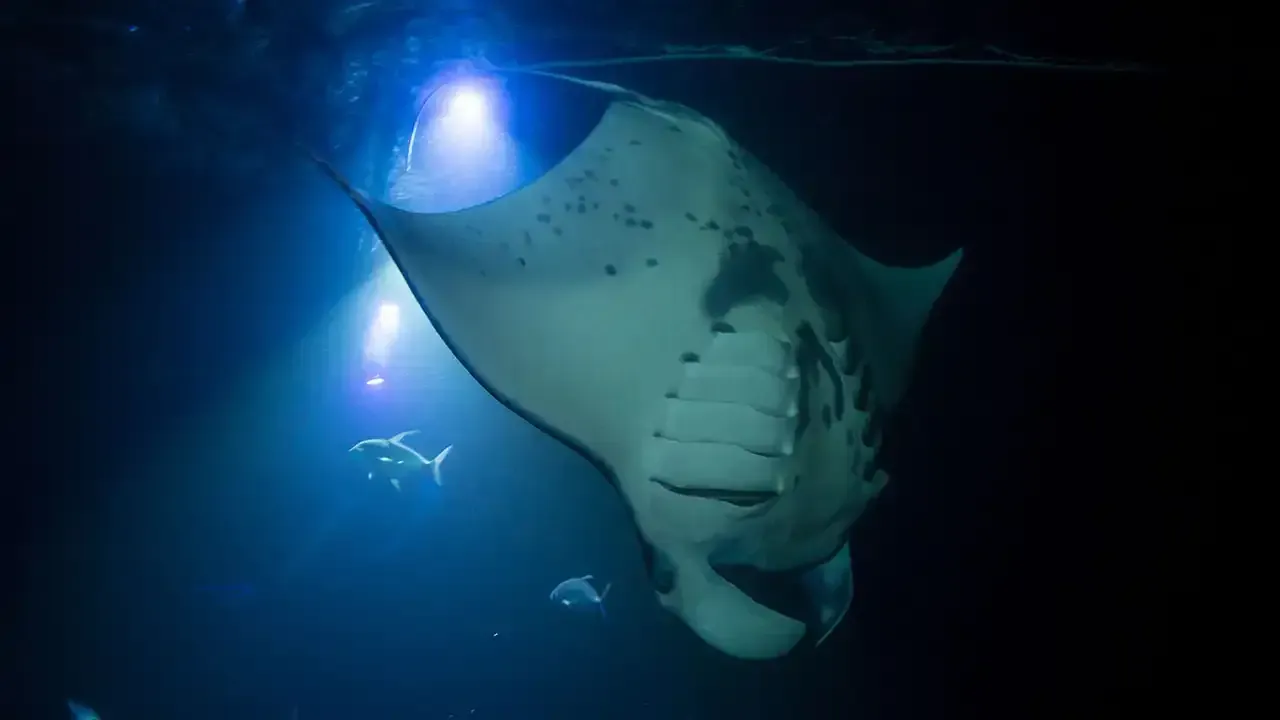
Clear water and healthy reefs make Kona a top snorkeling destination; options run from calm bays to guided night manta experiences.
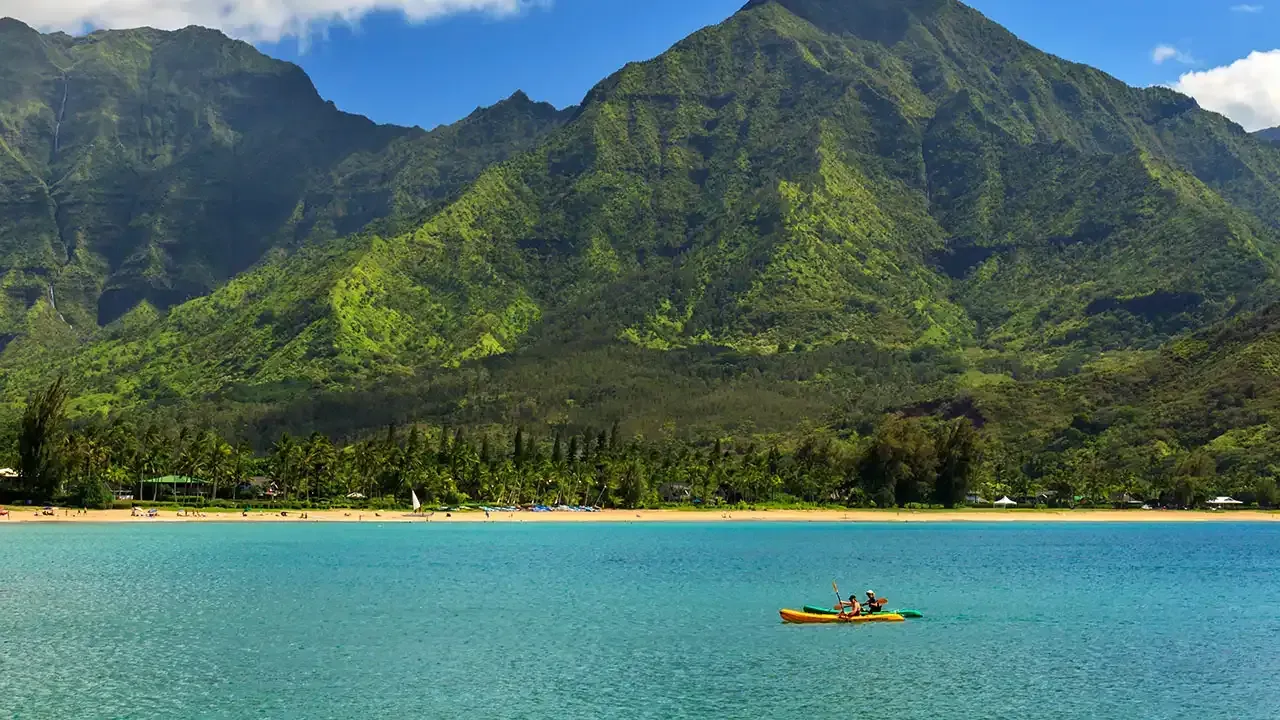
- Kealakekua Bay: Protected bay with excellent visibility and abundant reef life.
- Night Manta Ray Snorkel: Watch manta rays feed under lights—best experienced with a guided tour, one of our favorites is KONASTYLE.
- Alii Ocean Tours: Local operator running guided snorkeling and dolphin‑watching trips.
| Snorkeling Spot | Marine Species | Accessiblity |
|---|---|---|
| Kealakekua Bay | Colorful reef fish, occasional dolphins | Access by boat or kayak |
| Night Manta Ray Snorkel | Manta rays | Guided night tours available |
| Alii Ocean Tours | Varied marine life | Tour operator provides access |
Respect the reefs and wildlife: keep your distance, avoid touching coral and follow your guide’s instructions.
Historical Significance
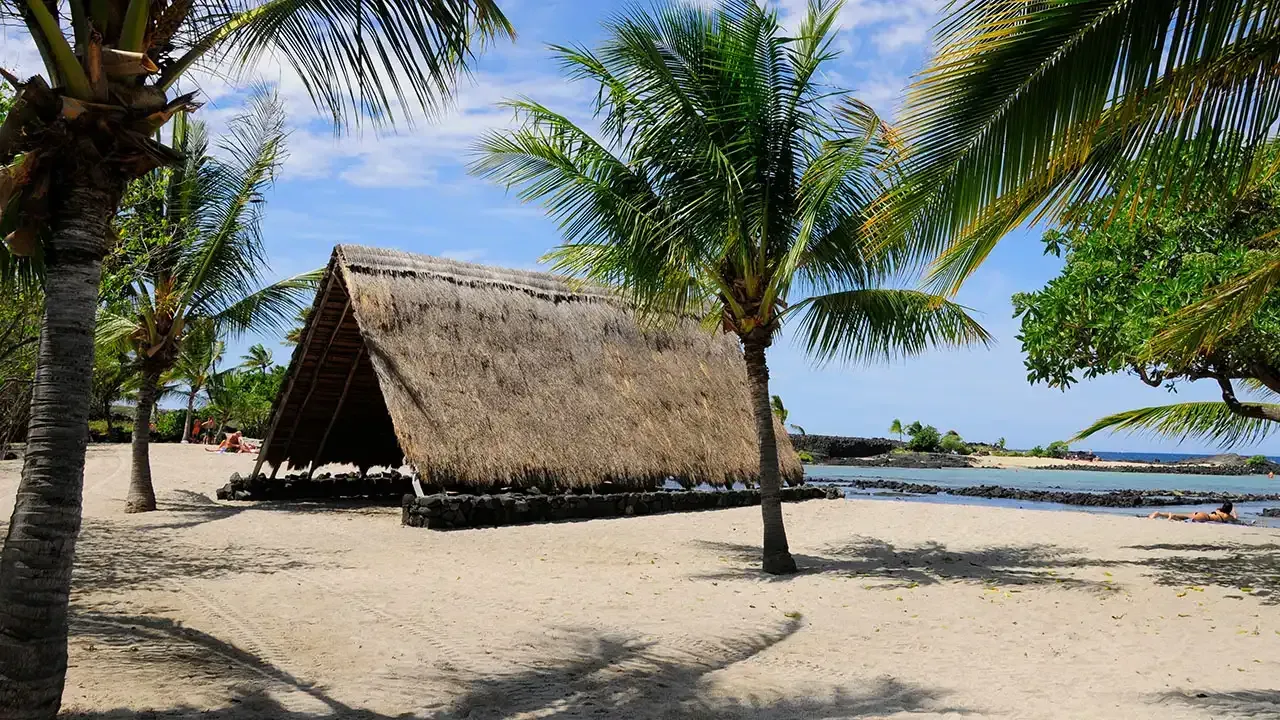
Along the Kona coast you’ll find important Hawaiian sites where visitors can learn about traditional practices and island history.
- Kaloko-Honokōhau National Historical Park: Remains of ancient settlements and traditional fishponds.
- Puʻuhonua o Hōnaunau National Historical Park: A historic place of refuge with cultural interpretation.
- Puʻukoholā Heiau National Historic Site: A temple site connected to King Kamehameha I.
Adding these stops gives cultural context to a beach-focused trip.
Key Locations and Activities
Kona offers small-group tours, surf lessons and comfortable snorkeling excursions—good options for different energy levels and interests.
- Kona Snorkel Trips: Small-group snorkeling tours for a more personal experience.
- Kona Surf Adventures: Surf lessons for beginners and intermediate riders.
- Hula Kai: A luxury vessel that provides comfortable snorkeling and sightseeing trips.
Booking locally run operators supports the community and often includes conservation guidance.
Visitor Tips
A few practical tips will make your visit safer and more enjoyable.
- Safety First: Check ocean conditions and follow local advisories.
- Respect Local Culture: Observe site rules and cultural protocols.
- Plan Ahead: Reserve tours and parking in advance during peak times.
A little planning helps you get the most from the Kona coast.
What Are the Best Beaches to Visit on the Kona Coast?
Top picks: Kahaluʻu for snorkeling, Hapuna for long sandy stretches and Spencer for family outings.
- Kahaluʻu Beach Park: Excellent for families and snorkeling.
- Hapuna Beach Park: Great for swimming and sunbathing.
- Spencer Beach Park: Family-friendly with easy snorkeling opportunities.
Each beach has its own scenery and amenities—choose based on the activities you want to do.
Which Beaches Are Family-Friendly and Safe?
Many Kona beaches are child-friendly; look for protected, shallow bays if you’re with young swimmers.
- Kahaluʻu Beach Park: Calm waters and shallow areas ideal for kids.
- Spencer Beach Park: Safe swimming conditions and convenient facilities.
- Hapuna Beach Park: Plenty of space for families to spread out.
Always supervise children and check conditions before entering the water.
What Facilities and Features Do Kona Coast Beaches Offer?
Most of the major beaches offer basic amenities useful for families and day visitors.
- Restrooms: Available at most popular beaches.
- Picnic Areas: Designated spots for meals and shade.
- Showers: Rinse-off stations commonly found at larger parks.
Bring essentials, but expect restrooms and picnic access at the busiest beaches.
Where Can You Find the Top Snorkeling Spots and Marine Life on the Kona Coast?
Kealakekua Bay, night manta tours and operator-led trips are reliable choices for rich marine viewing.
- Kealakekua Bay: Known for clear water and diverse reef life.
- Night Manta Ray Snorkel: A unique guided experience to see manta rays up close.
- Alii Ocean Tours: Guided snorkeling excursions run by experienced local crews.
Pick the site and tour format that match your comfort and skill level.
What Marine Species Will You See While Snorkeling?
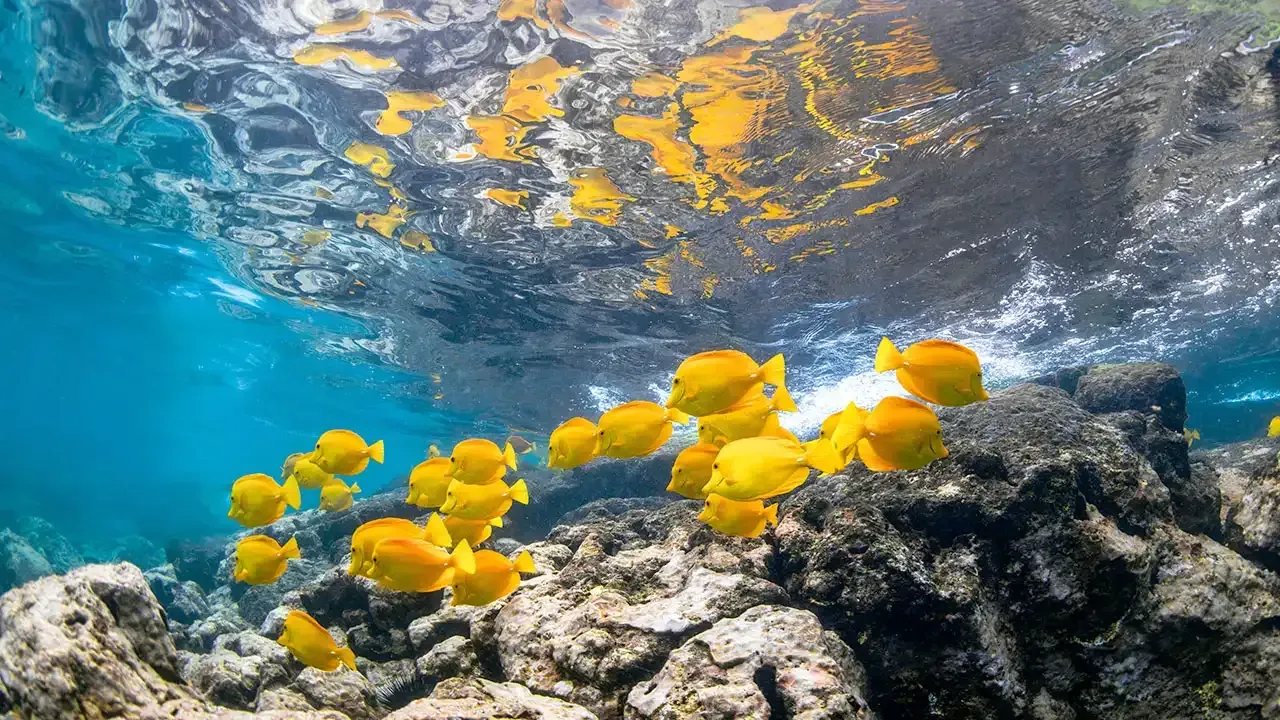
Kona’s reefs are home to colorful reef fish, green sea turtles and, on night trips, manta rays.
- Colorful Fish: Reef species in the shallows.
- Sea Turtles: Often seen grazing or cruising near reefs.
- Manta Rays: Best viewed on guided night snorkels.
Watch wildlife from a distance and never touch animals or coral.
When Is the Best Time and What Are the Conditions for Snorkeling?
Summer and early mornings typically offer calmer seas and better visibility; always check current local conditions before heading out.
Which Historical Sites and Cultural Events Should You Explore on the Kona Coast?
Visit national historical parks and attend local cultural events to learn about Hawaiian heritage and customs.
- Kaloko-Honokōhau National Historical Park: A window into ancient coastal life.
- Puʻuhonua o Hōnaunau National Historical Park: A culturally significant place of refuge.
- Puʻukoholā Heiau National Historic Site: Site tied to Kamehameha I and island history.
Mix outdoor time with cultural stops for a richer visit.
What Are the Must-Visit Historical Landmarks on the Big Island?
Kaloko-Honokōhau, Puʻuhonua o Hōnaunau and Puʻukoholā Heiau are key sites to understand island history.
- Kaloko-Honokōhau National Historical Park: Preserves traces of ancient Hawaiian life.
- Puʻuhonua o Hōnaunau National Historical Park: Important cultural refuge site.
- Puʻukoholā Heiau National Historic Site: Central to local history and traditions.
Respect signs and stay on designated paths when visiting historic sites.
What Local Festivals and Community Events Celebrate Kona’s Culture?
Seasonal festivals showcase Kona coffee, athletics and Hawaiian arts—great ways to meet locals and enjoy traditions.
- Kona Coffee Cultural Festival: Celebrates the region’s coffee heritage.
- Ironman World Championship: A major sporting event that draws the community together.
- Hawaiian Cultural Festivals: Events highlighting music, hula, crafts and local food.
Check local event calendars for dates during your visit.
How Can You Enjoy the Kona Coast Safely While Supporting Conservation?
Follow local guidelines, support eco-conscious operators and respect conservation efforts to help protect the coast.
- Follow Guidelines: Obey marine and park rules to protect wildlife.
- Participate in Cleanups: Join community beach or reef cleanups when possible.
- Educate Yourself: Learn about the local ecosystem and responsible behavior.
Small, thoughtful choices help preserve Kona’s natural and cultural resources.
What Safety Tips Should Visitors Know for Beaches and Snorkeling?
Basic precautions keep trips safe and enjoyable—stay informed and prepared.
- Check Conditions: Assess ocean and weather before entering the water.
- Use Sun Protection: Apply reef-safe sunscreen and reapply often.
- Stay Hydrated: Drink plenty of water on hot, sunny days.
Follow guides’ instructions and avoid risky conditions or unfamiliar currents.
How Does Sustainable Tourism Protect Kona’s Marine and Cultural Heritage?
Sustainable travel—supporting local businesses, following conservation practices and respecting sites—helps preserve Kona’s environment and traditions.
Frequently Asked Questions
What are the best activities for families on the Kona Coast?
Family-friendly options include shallow snorkeling at Kahaluʻu, guided small-group trips and visits to outdoor historical parks for hands-on learning.
Are there any local dining options near the beaches?
Yes—Kona has beachfront restaurants, casual eateries, food trucks and markets serving fresh seafood and island favorites near popular beaches.
What should visitors know about the local wildlife?
Expect to see sea turtles, reef fish and occasional dolphins. Observe from a distance, never touch or feed wildlife, and avoid contact with coral.
How can visitors participate in local conservation efforts?
Join community cleanups, choose eco-conscious tour operators and support businesses that use sustainable practices to reduce local impact.
What cultural experiences are available on the Kona Coast?
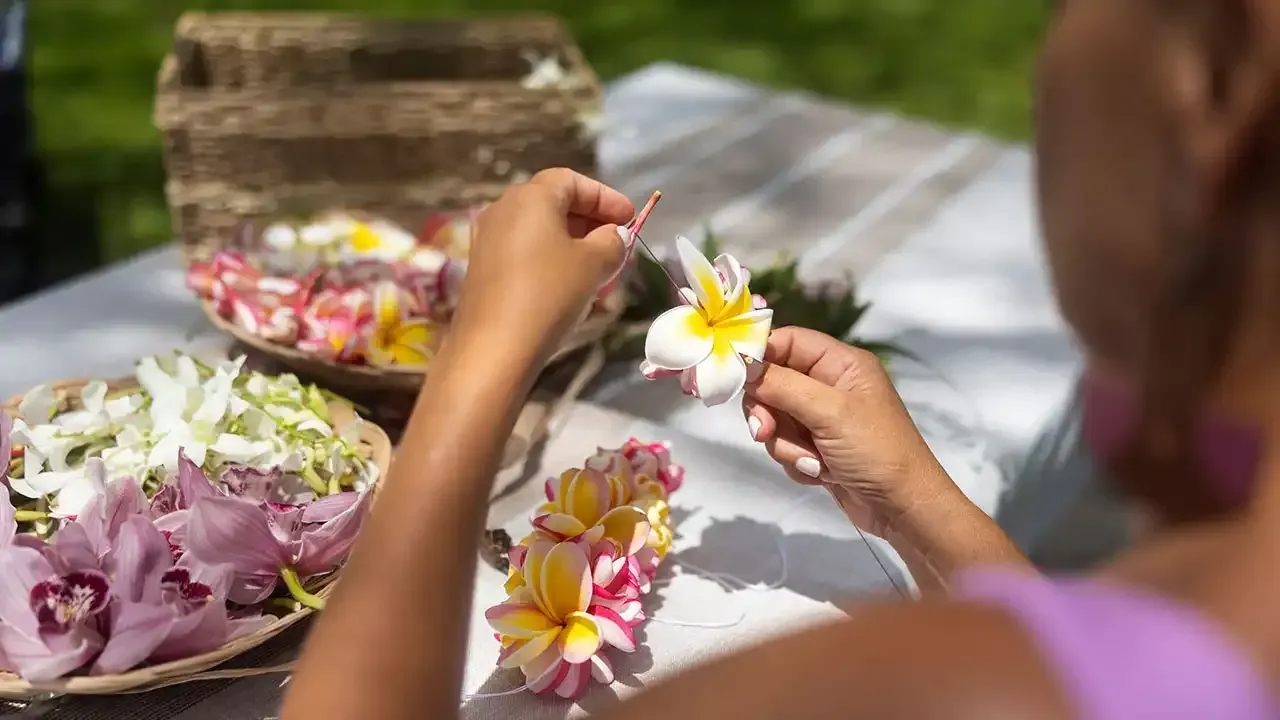
Attend festivals, take hula or lei-making classes and visit historic sites like Puʻuhonua o Hōnaunau to learn traditional customs.
What are the best ways to get around the Kona Coast?
Renting a car gives the most flexibility; shuttles and tour operators serve popular sites, and biking is an option for short scenic stretches.