Hawaii Luaus: Your Guide to Traditional Feasts & Entertainment Experiences
Luaus are lively gatherings that showcase Hawaii’s culture through food, music, and dance. More than a meal, they mix history and performance in one evening. This guide explains what makes luaus unique, where to find notable events across the islands, and what to expect so you can choose an experience that feels authentic and memorable.
What Makes a Hawaiian Luau Special? Discover the Tradition and Culture
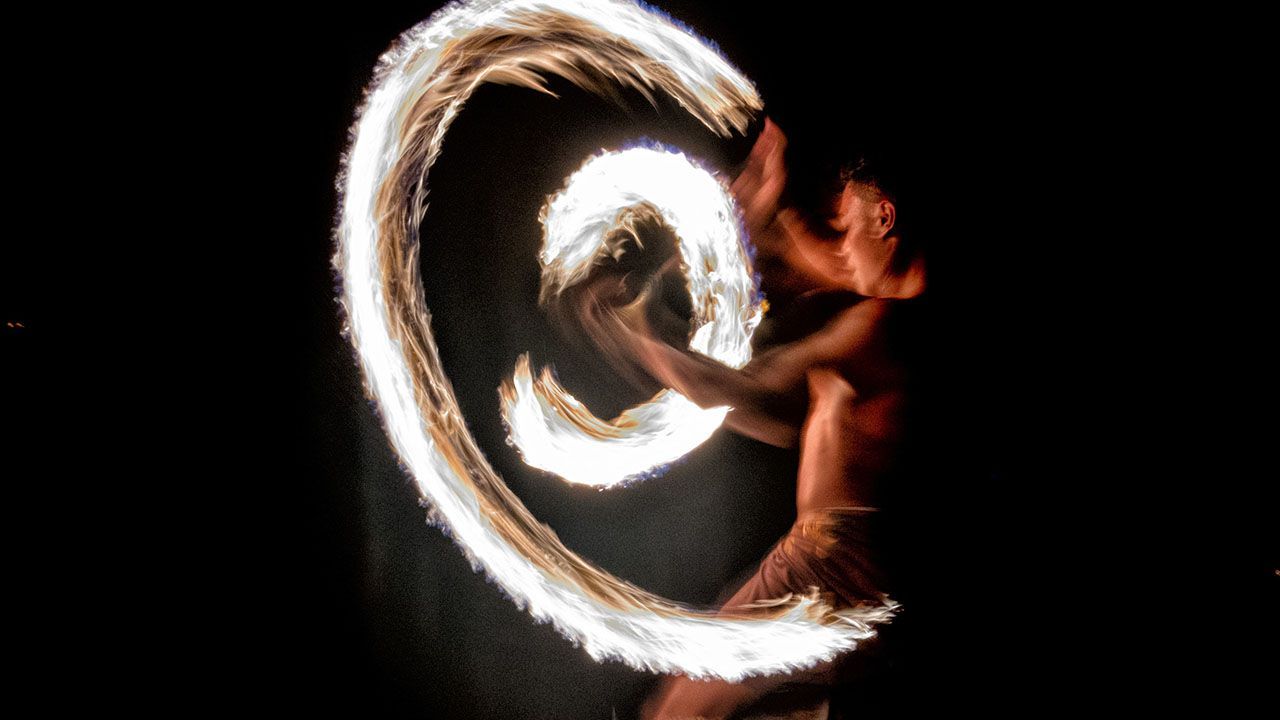
Luaus mark life events—birthdays, weddings, and holidays—bringing people together with traditional food, music, and dance. Rooted in Hawaiian history and community, luaus often feature storytelling performances and a festive, welcoming atmosphere.
Looking into a luau’s cultural roots shows how its food and customs are closely tied to Hawaiian identity and authenticity.
Hawaiian Luau: Food, Tradition & Cultural Authenticity
The Hawaiian luau is widely known as an iconic meal, but scholars explore how identities and ideas of authenticity are embedded in the luau’s cultural history and cuisine.
The Hawaiian Luau Food as Tradition, Transgression, Transformation and Travel, 2008
What is a traditional Hawaiian feast and why is it important?
A traditional luau includes dishes such as kalua pig, poi, and lomi lomi salmon—foods that carry cultural meaning and celebrate the islands’ bounty. Many dishes use long-standing techniques, like cooking a pig in an imu, which gives a smoky, tender flavor. Luaus honor ancestors and the value of gathering.
Careful preparation of traditional dishes, especially cooking in underground ovens, highlights the lasting culinary heritage of Hawaiian luaus.
Traditional Hawaiian Luau Cooking & Preservation
One of the largest and most respected luaus in Hawaii teaches keiki (children) how to fish and helps preserve the traditional practice of cooking in the Hawaiian underground oven.
CULINARY IDENTITY: CULTURE, PLACE, COMMUNITY, 2017
How do Hawaiian dance and music bring luaus to life?
Dance and music are central to luaus. Hula and traditional chants use movement and song to tell stories, while instruments like the ukulele and slack-key guitar set the mood. Shows entertain guests and pass on Hawaiian traditions and values.
Where to Find the Best Luau Venues Across Hawaii’s Islands
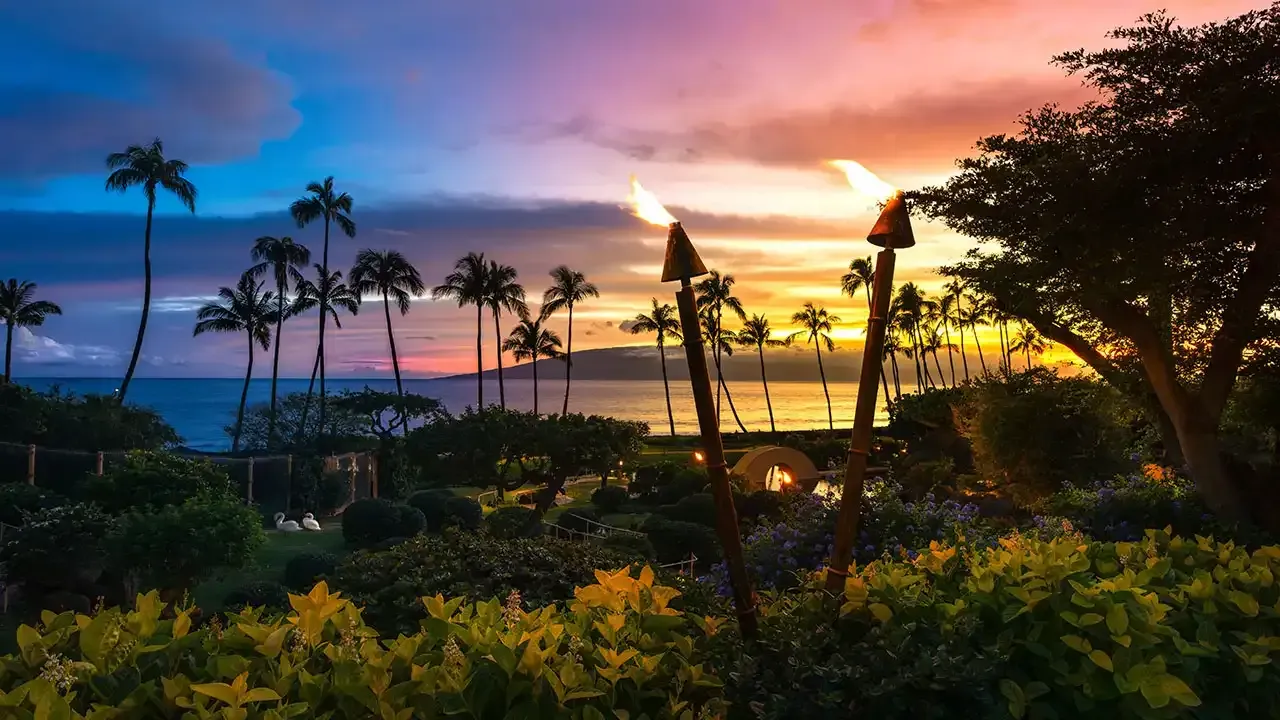
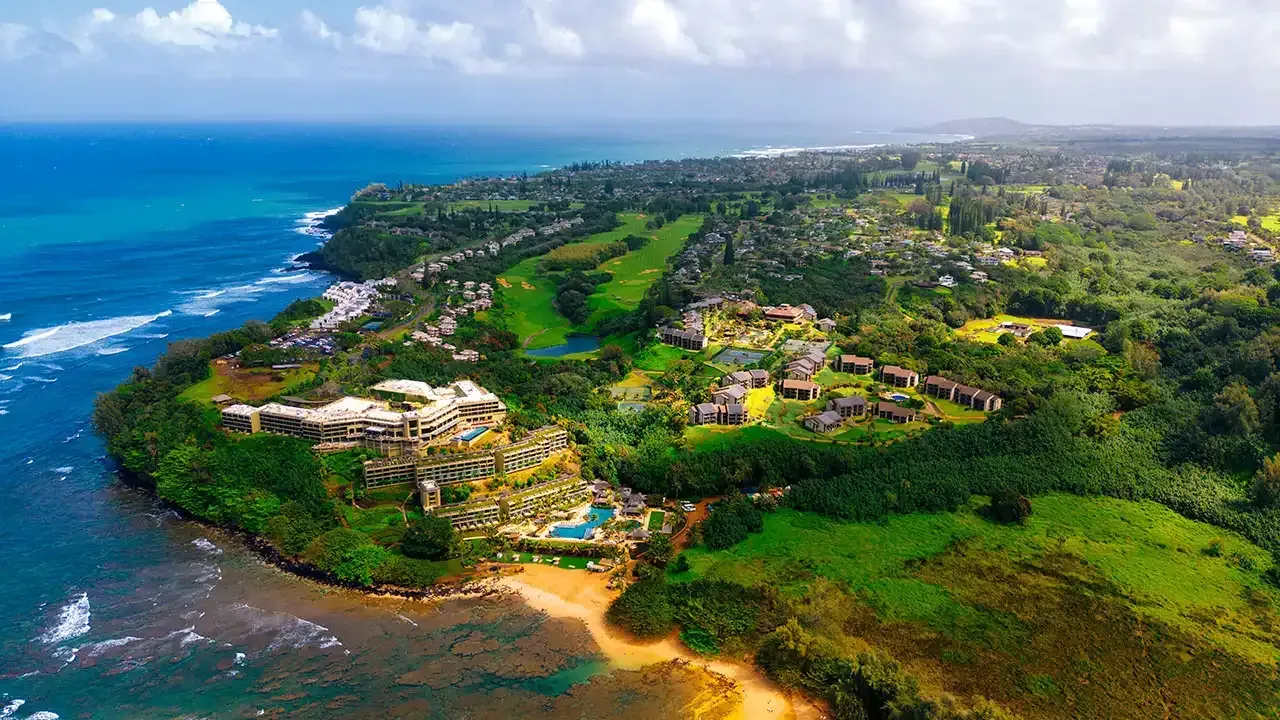
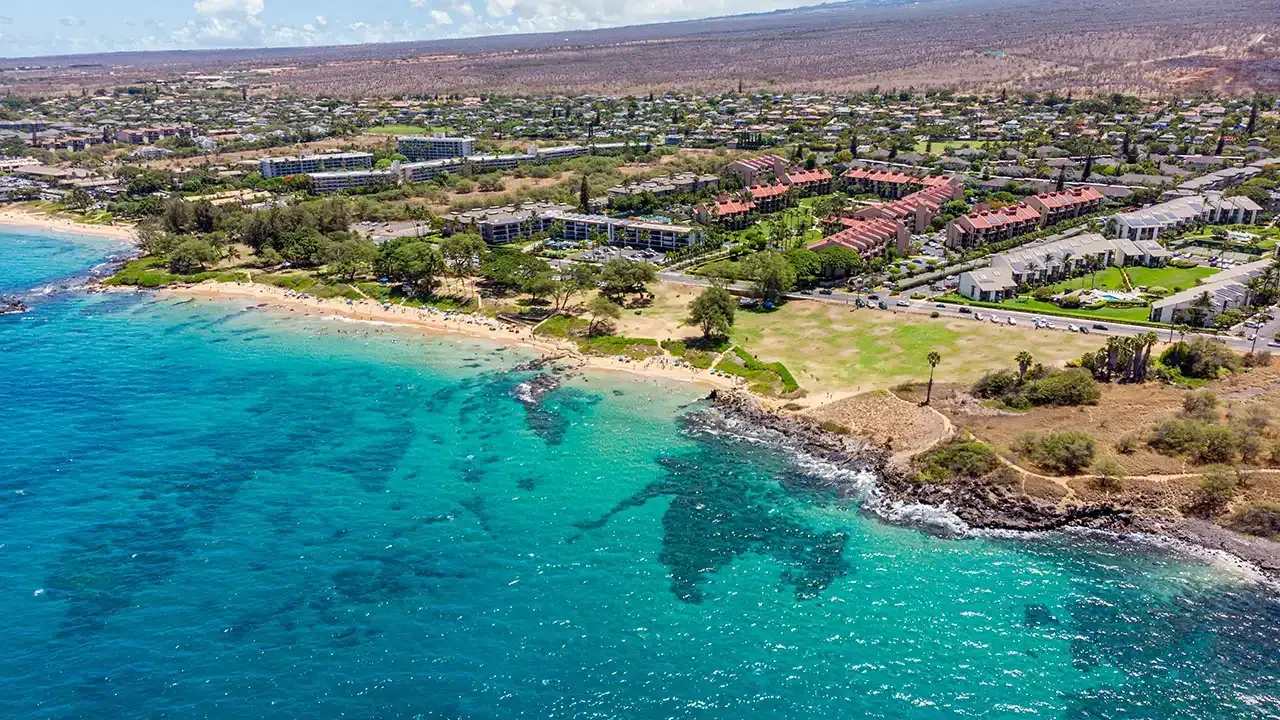
Luaus vary by venue—from oceanfront settings to botanical gardens—and the location shapes the evening. Consider scenery, seating, and accessibility when choosing a venue.
Which islands offer the top luau experiences?
Oahu, Maui, and the Big Island host many notable luaus. Oahu’s Paradise Cove is oceanfront, Myth’s of Maui respected is Maui’s longest running oceanfront luau, and some Big Island luaus combine storytelling with local flavors—each offers a different experience for island-hoppers.
What should you know about popular luau venues and locations?
When choosing a luau, weigh the location, entertainment style, and menu. Venues may offer buffet or plated options, and many sell packages with transport. Book early during busy seasons and check reviews for authenticity and value.
What to Expect from Luau Entertainment Shows and Performances
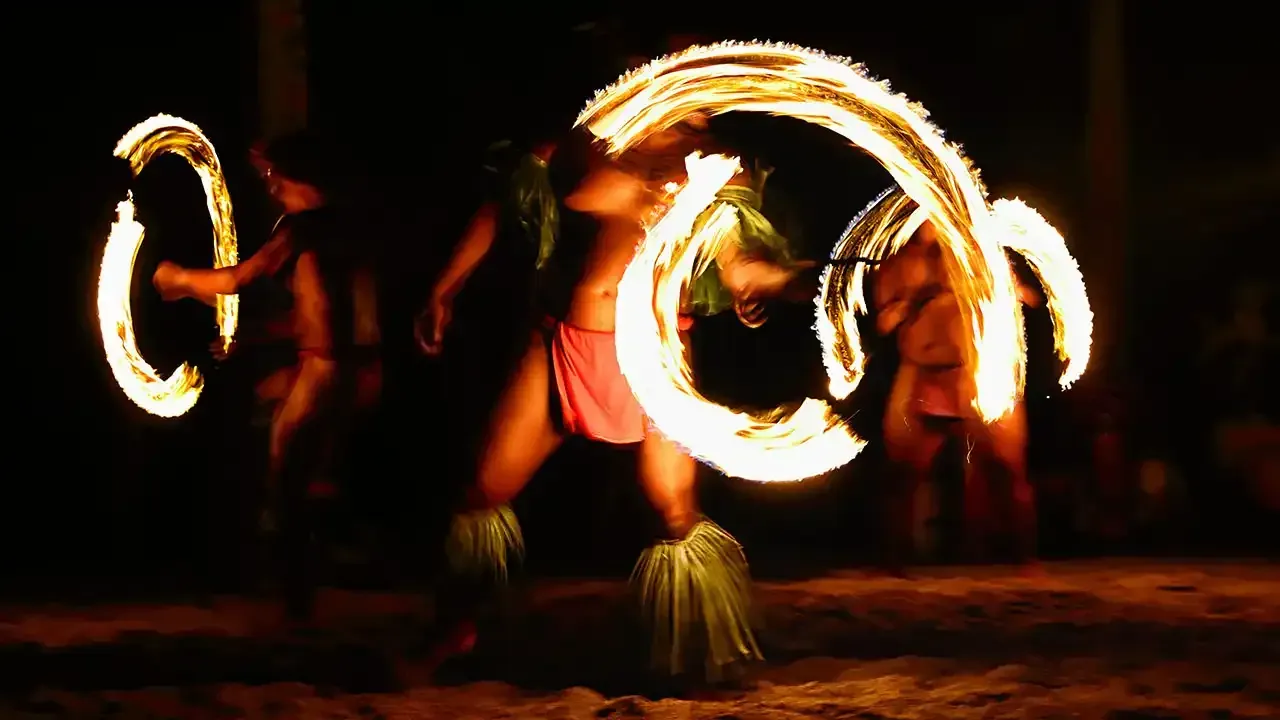
Entertainment is often the evening’s highlight, showcasing dances, chants, and energetic acts like fire-knife performances. Shows aim to engage guests while sharing Hawaiian history and stories.
How do Hawaiian dance performances like hula and fire knife shows captivate audiences?
Hula typically pairs with live music, using expressive movement to narrate themes of love, nature, and myth. Dancers wear traditional attire that enhances storytelling. Fire-knife routines add athletic spectacle, and together these performances help keep cultural practices alive.
Beyond entertainment, luau performers help preserve and share their cultural heritage, using these shows to stay connected to their identity.
Luau Shows: Performers, Heritage & Cultural Identity
The Polynesian luau is a well-known form of cultural tourism and has faced criticism about authenticity and stereotypes. But researchers note that performers often present their culture in meaningful ways and use their work to connect with and reinforce their cultural identity.
Hoback, Brittany. “Sharing Aloha on the mainland: Cultural Identity and Connecting to Heritage through Commercial Luau Shows in Central Florida.” (2014).
What cultural stories are told through luau entertainment?
Luau performances often draw on Hawaiian mythology and history, depicting gods, historical events, and the natural world. These stories offer guests a deeper appreciation of traditions and the island culture.
How to Enjoy a Traditional Hawaiian Feast: Menu Highlights and Tips
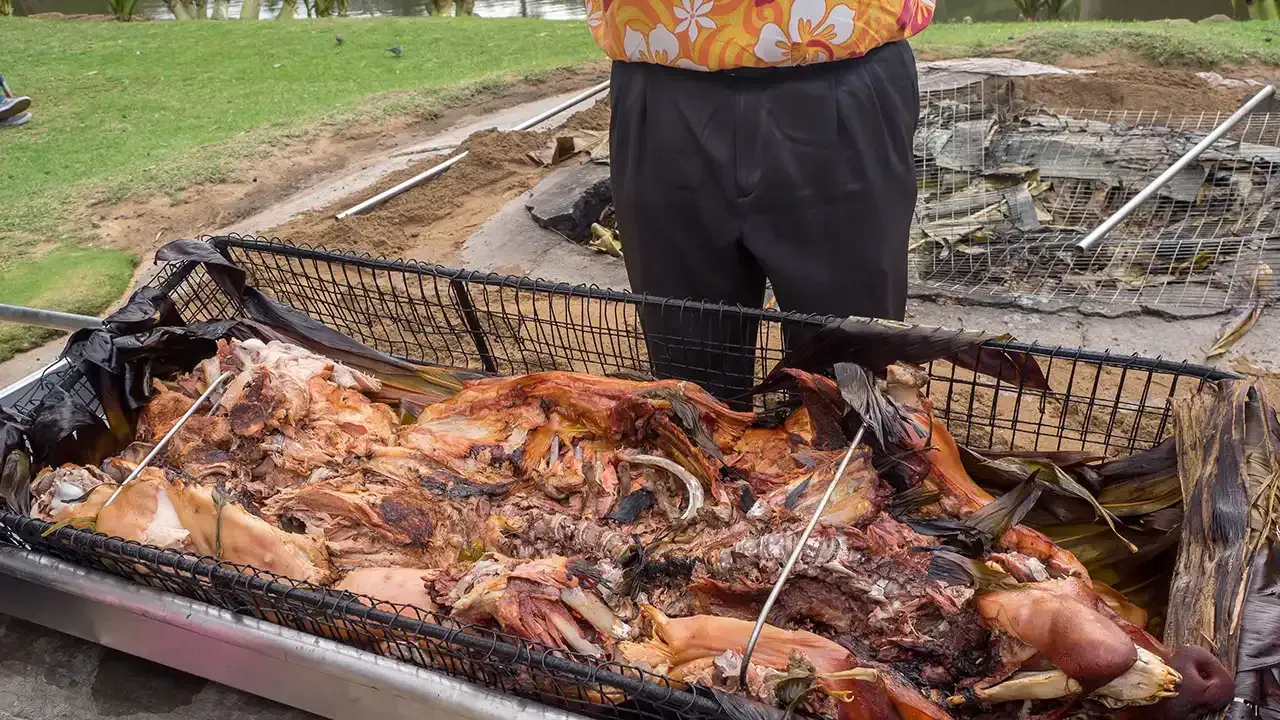
A luau is a chance to taste traditional dishes and learn dining customs. A little menu knowledge makes the meal more enjoyable.
What dishes are served at a luau and what makes them unique?
Typical luau fare includes kalua pig cooked in an imu, poi made from taro, lomi lomi salmon, and haupia for dessert. Each item reflects island ingredients and cooking practices.
Are luaus family friendly and what should you wear?
Most luaus welcome families with age-appropriate activities and performances. Dress casually—aloha shirts and sundresses are common—and bring a light jacket for cooler seaside evenings.
| Dish | Description | Cultural Significance |
|---|---|---|
| Kalua Pig | Slow-cooked pork, traditionally prepared in an imu | Represents communal cooking and celebration |
| Poi | Taro root paste, served as a side dish | A staple food in Hawaiian culture |
| Lomi Lomi Salmon | Salad of diced tomatoes and salmon | Reflects the blending of flavors and ingredients |
| Haupia | Coconut milk dessert | A traditional sweet treat enjoyed at celebrations |
Attending a luau offers food, performances, and a sense of community—an immersive way to experience Hawaiian culture whether celebrating or visiting.
Frequently Asked Questions
What is the history behind the luau tradition?
Luaus began in ancient Hawaii for major events such as chiefs’ births or victories. Over time they became communal feasts open to all, honoring ancestors and reinforcing community—continuing today as an important expression of aloha and identity.
How can I choose the right luau for my family?
Choose a luau based on location, entertainment style, and menu. Read reviews for authenticity, check if they provide family-friendly activities and transportation, and book early during peak travel times.
What are some common misconceptions about luaus?
Not all luaus are the same. While some are tourist-focused, many aim to honor Hawaiian traditions through authentic food, music, and dance. Luaus can be both special-event celebrations and everyday community gatherings—knowing the difference helps set expectations.
Are luaus suitable for vegetarians or those with dietary restrictions?
Many luaus accommodate vegetarians and dietary restrictions—confirm options when booking. Venues often offer vegetable dishes, salads, or custom alternatives if notified in advance.
What is the best time of year to attend a luau in Hawaii?
The dry season (April–October) often delivers the best weather for outdoor luaus, but they run year-round. For fewer crowds, try shoulder seasons in late spring or early fall, and always book ahead in peak months.
What should I bring to a luau for the best experience?
Bring comfortable, tropical attire and a light jacket. A camera and small bag for personal items are handy. If allowed, a reusable water bottle helps you stay hydrated through the evening.