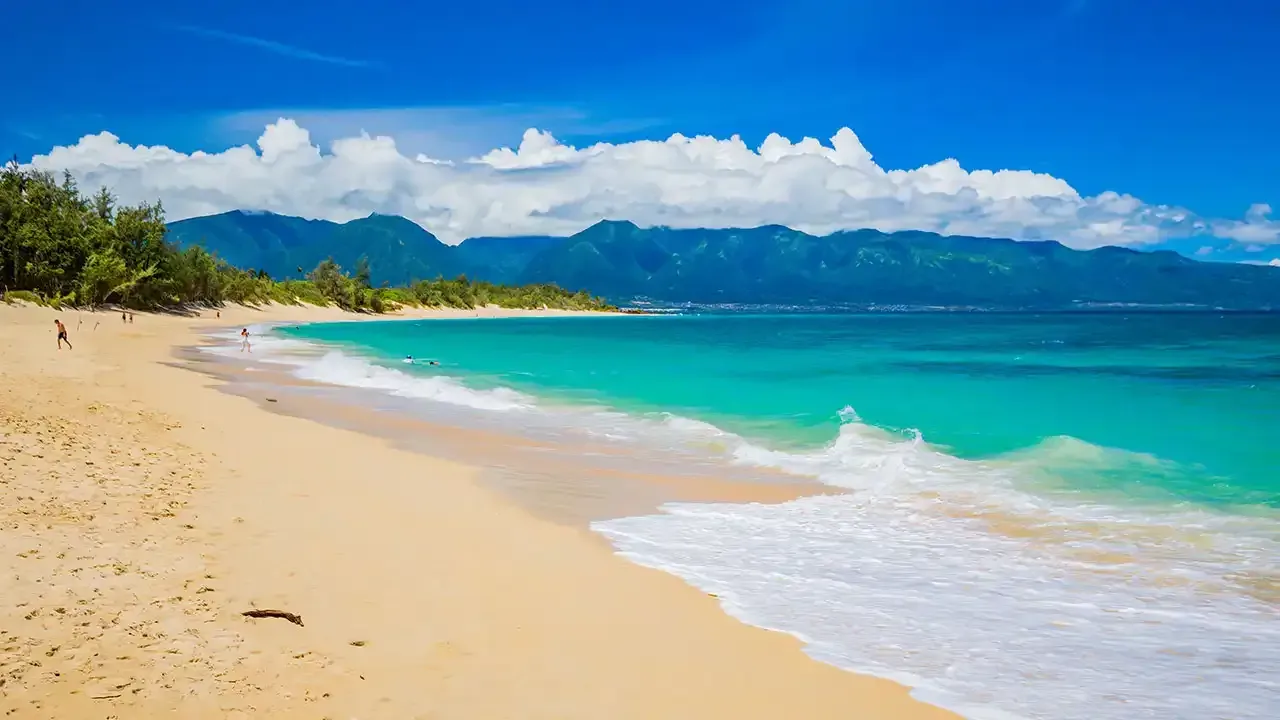
Scuba Diving in Hawaii — Your Guide to Top Dive Sites and Trusted Operators
Scuba diving in Hawaii draws divers from around the world. Clear water, diverse marine life, and dramatic coral and lava formations make the islands appealing to both beginners and seasoned divers. This guide highlights top sites by island, typical conditions, reputable operators, and practical tips so you can plan dives that match your skills and interests.
Comprehensive Guide to Scuba Diving in Hawaii
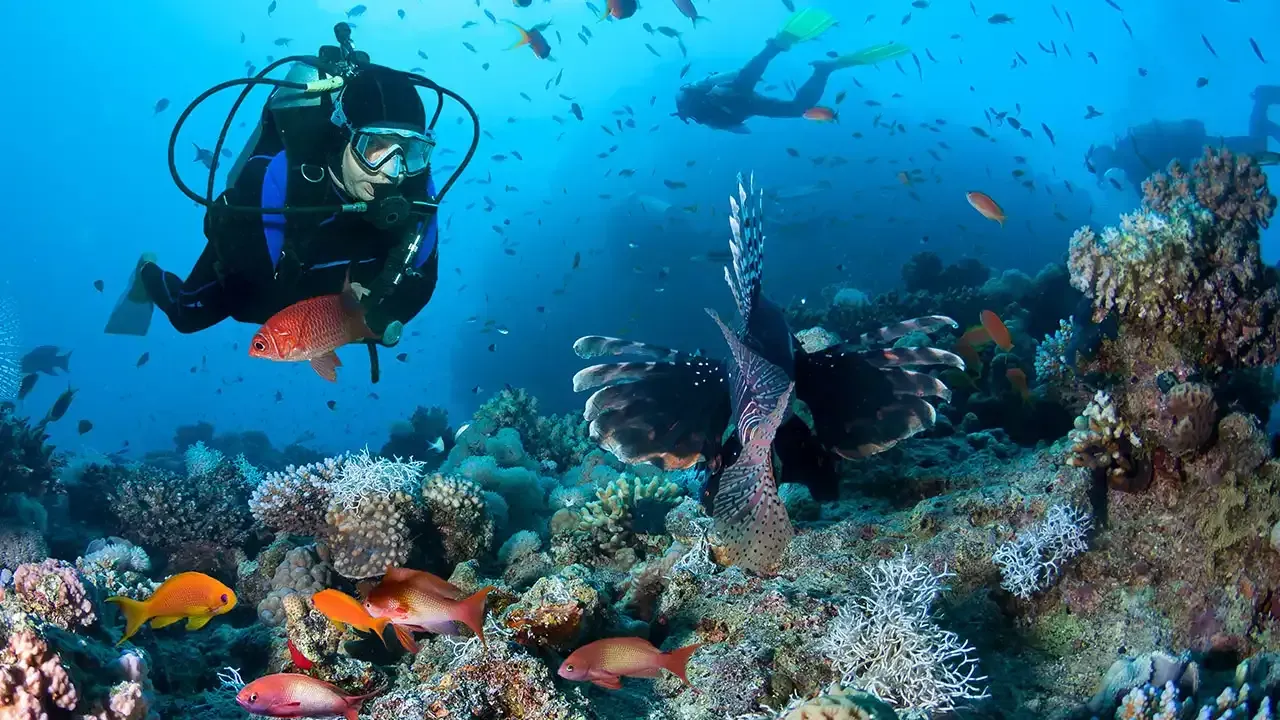
Hawaii's underwater landscapes mix coral reefs, lava features, and plentiful wildlife. Water temperatures generally range from 70°F to 82°F, and visibility is often excellent. The islands offer everything from shallow reefs for easy, relaxed dives to deeper wrecks and caverns for advanced underwater exploration. Choose sites that fit your certification and comfort level.
Top Dive Sites by Island
Each island has signature dive spots with distinct terrain and wildlife. Below are the most popular sites and what to expect at each.
Oahu
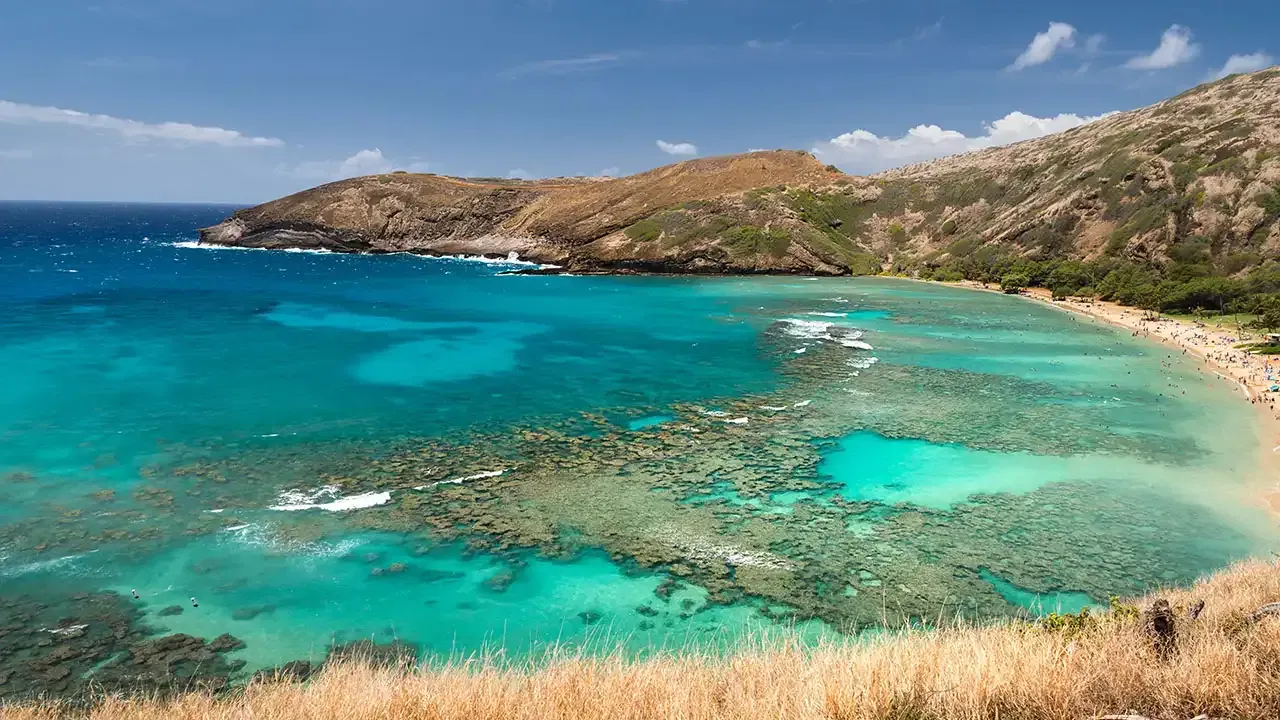
Oahu offers many accessible shore and boat dives, suitable for a wide range of divers. Notable spots include:
- Hanauma Bay: A protected marine area with clear water, colorful reef fish, and frequent sea turtle sightings; ideal for shore dives and very beginner-friendly snorkeling.
- YO-257 Wreck: A deep freighter wreck (around 100 feet) that attracts abundant fish life — best suited to experienced divers who are comfortable with wreck diving limits. The wreck is located a mile off Waikiki.
Maui
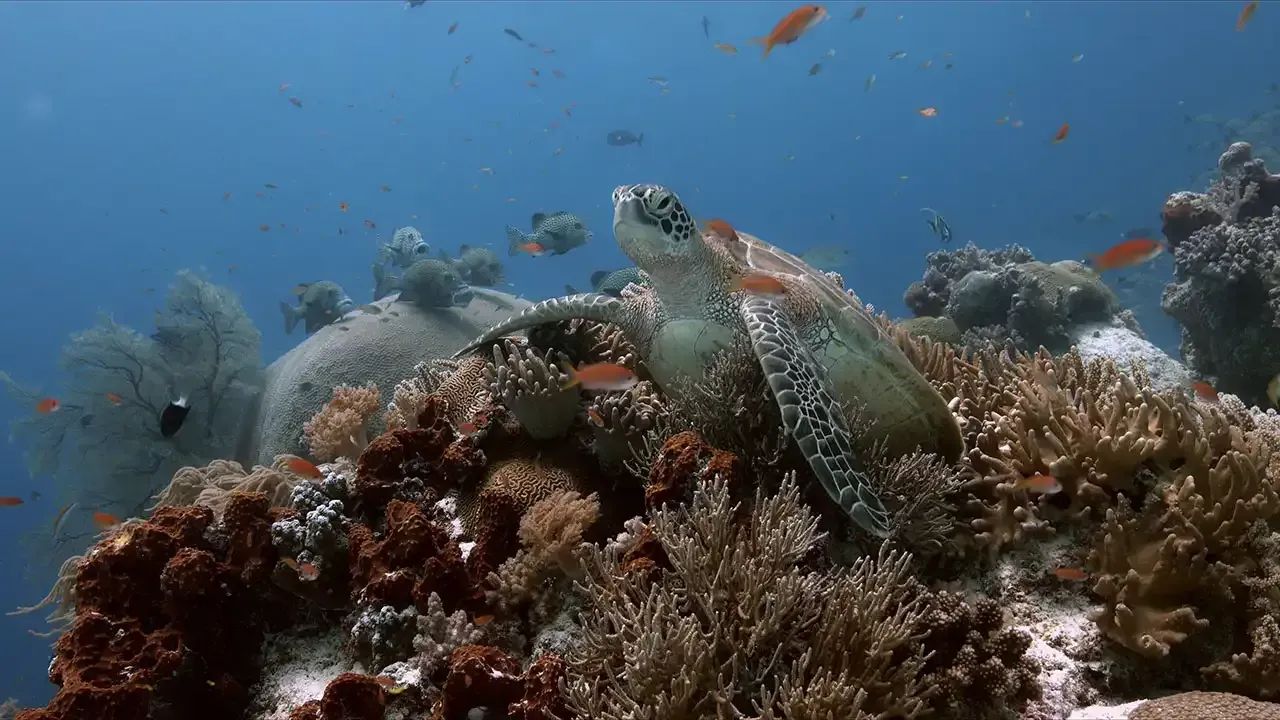
Maui features exceptionally clear water and offshore formations that draw large marine visitors.
- Molokini Crater: A volcanic caldera known for outstanding visibility and diverse reef life; a common day-trip destination from Maui.
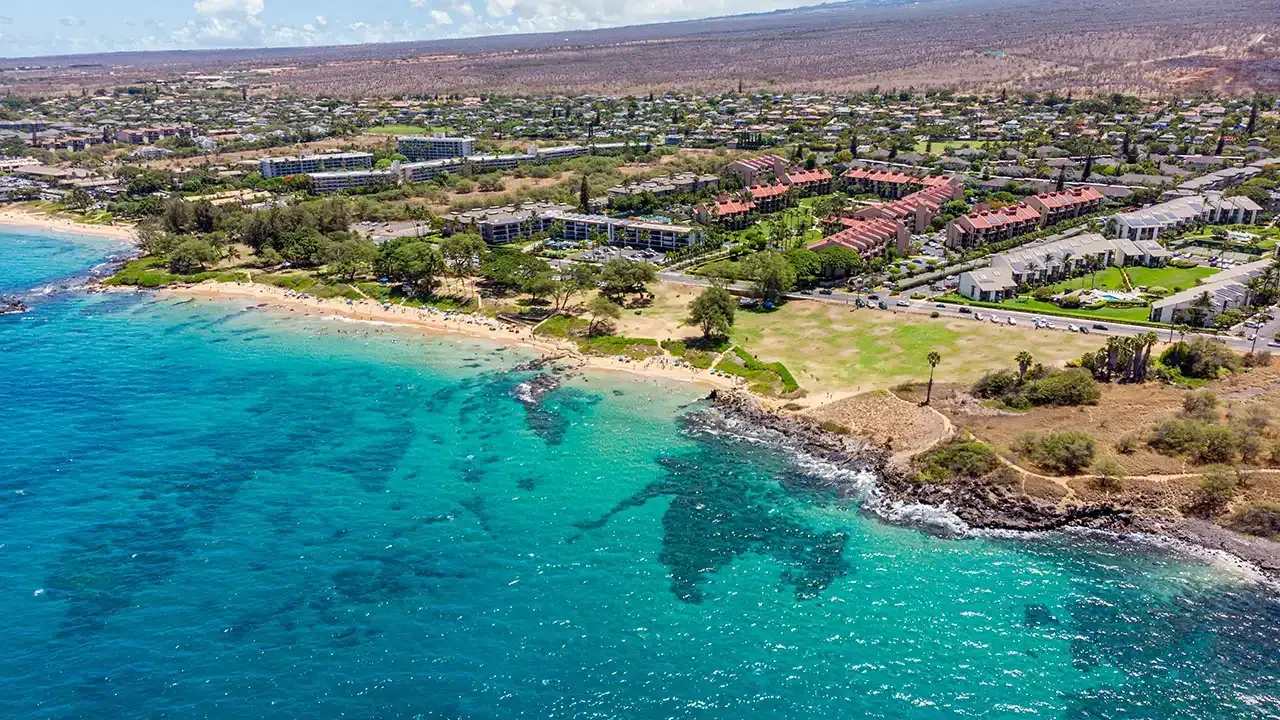
- Turtle Town: Near Makena, this area is famous for green sea turtles and patch reefs that make for relaxed, enjoyable dives.
Big Island Hawaii
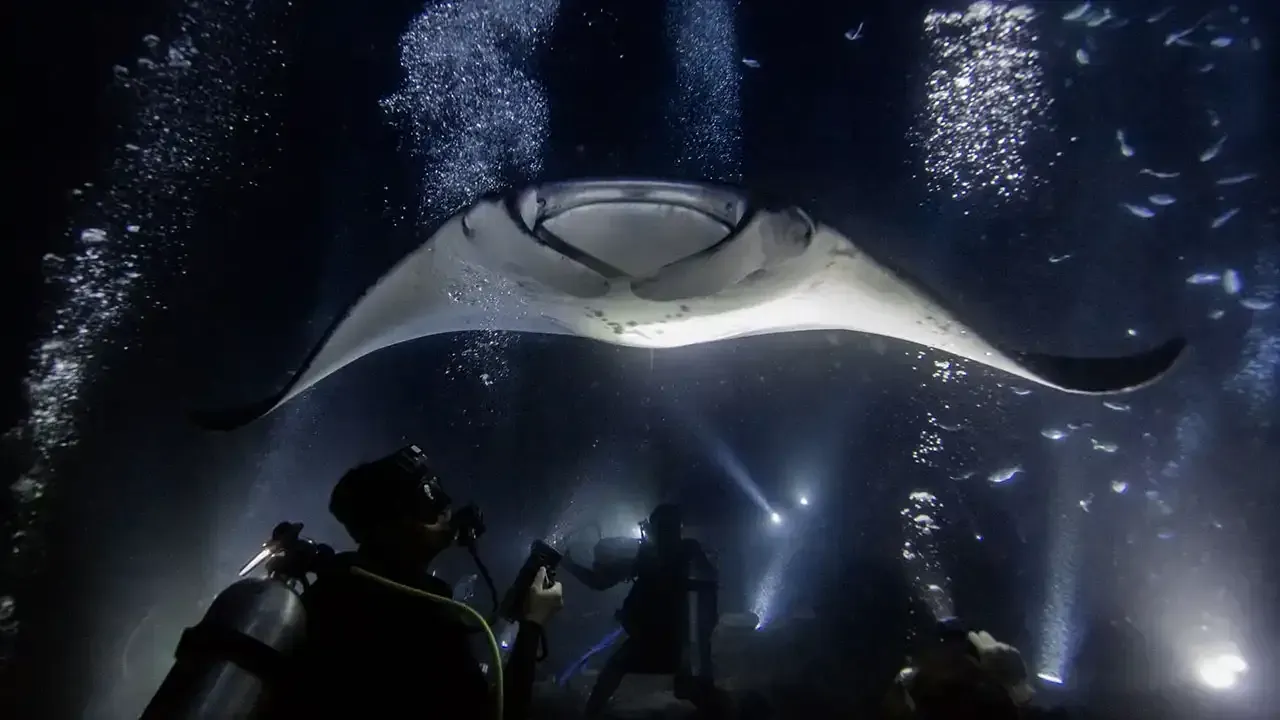
The Big Island is known for unique volcanic terrain and memorable night dives.
- Kailua-Kona: Lava tubes and coral gardens hosting a wide variety of fish species, with easy boat access for many trips.
- Manta Ray Night Dive: A highly recommended night experience where mantas feed around lights; operators run supervised dives appropriate for a broad range of certification levels.
Experiences like the manta night dive also support local tourism and, when run responsibly, can help conservation efforts.
Manta Ray Tourism: Economic Impact & Conservation
As manta rays face growing threats from targeted fishing and bycatch, well-managed manta-watching tourism can offer a compelling economic alternative to consumptive uses. Based on dive operator surveys, online research, and a literature review, this study presents the first global estimate of the direct economic impact of manta-watching tourism and explores the potential socio-economic benefits of non-consumptive manta operations compared with fisheries.
O’Malley MP, Lee-Brooks K, Medd HB (2013) The Global Economic Impact of Manta Ray Watching Tourism. PLoS ONE 8(5): e65051. https://doi.org/10.1371/journal.pone.0065051
Kauai
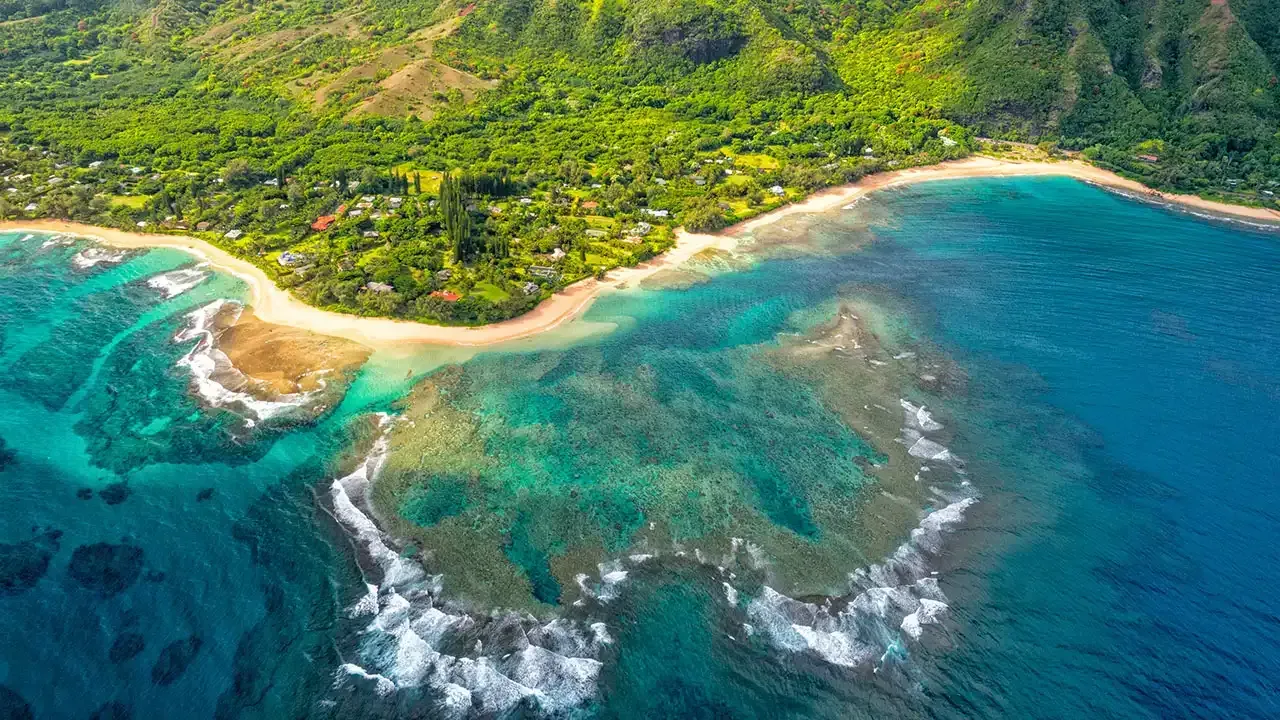
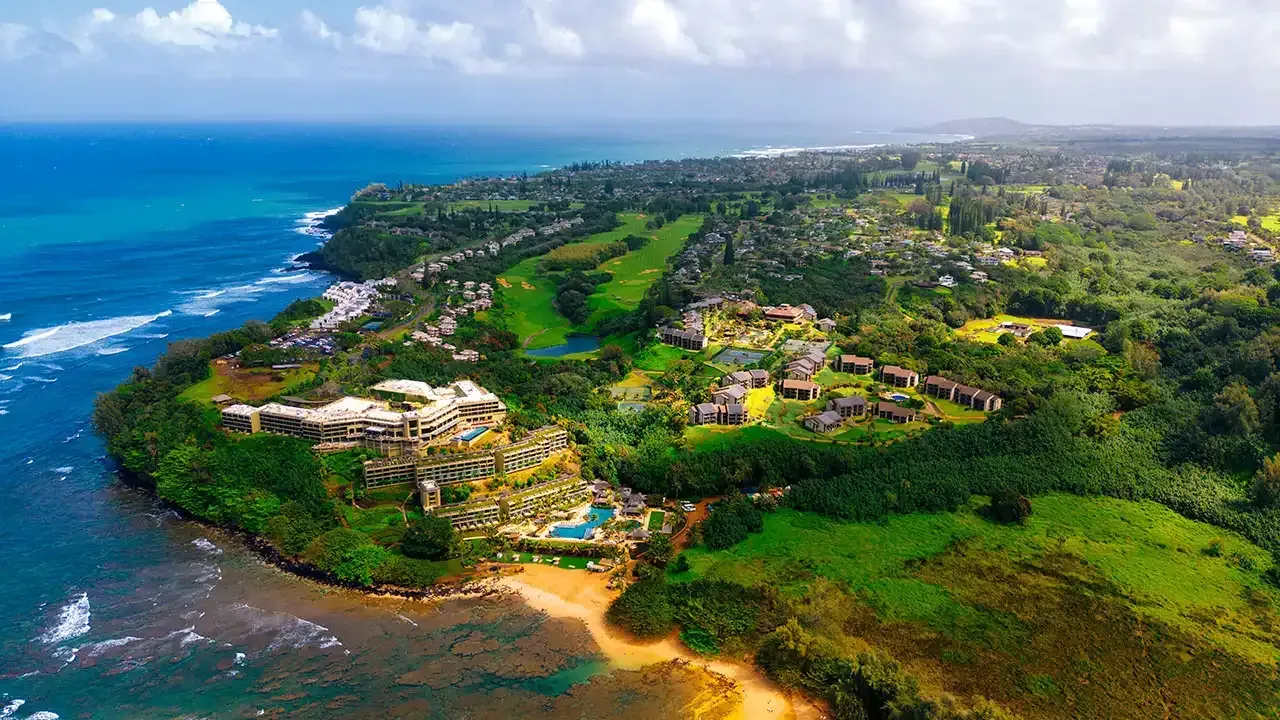
Kauai pairs dramatic coastlines with underwater lava structures and healthy reef areas.
- Tunnels Beach: Known for lava tubes and caverns, offering varied topography and chances to encounter reef sharks and turtles.
- Sheraton Caverns: Coastal caverns and tunnels that make for engaging swims among reef life; best with experienced guides and careful safety briefings.
Dive Conditions
Conditions vary by season and location, but overall Hawaii is diver-friendly. Key points:
- Water Temperature: Typically 70°F–82°F — a wetsuit is usually sufficient.
- Visibility: Often excellent, exceeding 100 feet in many summer locations; winter months can bring more surge and reduced clarity.
- Best Times to Dive: May–September usually offers calmer seas and the best visibility, though diving is possible year-round with the right site choices.
Trusted Dive Operators
Pick operators with strong safety records, well-maintained gear, and knowledgeable local guides. Below are reputable options by island:
Oahu
- Dive Oahu: Small groups, experienced instructors, offering both wreck and reef trips.
- Aloha Scuba Diving Co.: Personalized service with guided dives and certification courses.
Maui
- Maui Dreams Dive Co.: Friendly staff running trips to Molokini and Turtle Town.
- Lahaina Divers: A wide mix of tours and courses for varying skill levels.
Big Island
- Jack's Diving Locker: Knowledgeable team, conservation-minded, and known for manta night dives.
- Kona Honu Divers: Small groups and personalized service for both deep and recreational dives.
Kauai
- Seasport Divers: Experienced guides and safety-focused trips to local caverns and reefs.
- Bubbles Below Scuba Charters: Customer-focused charters with tailored dive packages.
Services Offered by Operators
Most operators provide core services to make diving easier and safer:
- Equipment Rentals: Wetsuits, tanks, and dive computers are commonly available and kept in good condition.
- Certification Courses: Options range from introductory "discover" dives to full open-water and advanced certifications.
- Guided Dives: Local guides improve safety and help you find notable wildlife and underwater features.
What to Bring
Pack items that save time and protect the reef:
- Certification Card and Dive Logbook: Bring proof of certification and recent dive history when required.
- Reef-Safe Sunscreen: Use reef-safe products to reduce chemical impact on coral and marine life.
- Underwater Camera: Optional but useful for documenting marine life—always photograph responsibly without touching wildlife or coral.
Safety Tips
Follow basic dive safety to protect yourself and the environment:
- Diving with a Buddy: Always dive with a partner and review your plan before entering the water.
- Depth and Time Limits: Stick to your training limits and operator guidelines to lower decompression risk.
- Coral Protection: Avoid touching coral and maintain neutral buoyancy to prevent damage.
Frequently Asked Questions
What are the best times of year to go scuba diving in Hawaii?
May through September usually brings calmer seas and the clearest visibility, though many sites are accessible year-round if you choose locations that suit the season.
Are there any specific health requirements for scuba diving in Hawaii?
Operators will ask you to complete a medical questionnaire. Conditions like asthma or recent surgery may require a physician’s clearance. If unsure, consult a doctor experienced in dive medicine.
What should I know about marine life before diving in Hawaii?
Expect reef fish, sea turtles, and occasional larger visitors such as manta rays. Do not touch wildlife or coral; observe from a respectful distance to protect animals and habitat.
Can I rent diving equipment in Hawaii?
Yes. Most operators rent wetsuits, tanks, and dive computers. Always check fit and maintenance before your dive; some tours include rentals in the booking fee.
What are the age requirements for scuba diving in Hawaii?
Introductory dives commonly accept children around 10–12, depending on the operator. Full certification courses generally start in the mid-teens. Confirm age and consent policies with each operator.
Is it necessary to have a diving certification to dive in Hawaii?
Certification isn't required for introductory "discover" dives, but it's recommended for safety and access to deeper or more challenging sites. Consider getting certified if you plan to dive regularly.
What are the environmental considerations for divers in Hawaii?
Use reef-safe sunscreen, avoid touching or standing on coral, follow marine protected area rules, and heed operator guidance to minimize impact and support conservation.