
Surfing Lessons in Hawaii: Your Guide to the Best Beginner Surf Spots and What to Expect
Surfing in Hawaii isn't just a sport — it's part of island life. If you're just starting out, lessons help keep you safe and make learning a lot more fun. This guide covers the best beginner spots in Hawaii, what a typical lesson looks like, and practical tips to get more out of your time on the water. Whether you want to learn to surf or soak up local surf culture, you'll find what you need here: best spots, lesson expectations, safety advice, gear, top instructors, and booking tips.
Comprehensive Guide to Surfing Lessons in Hawaii for Beginners
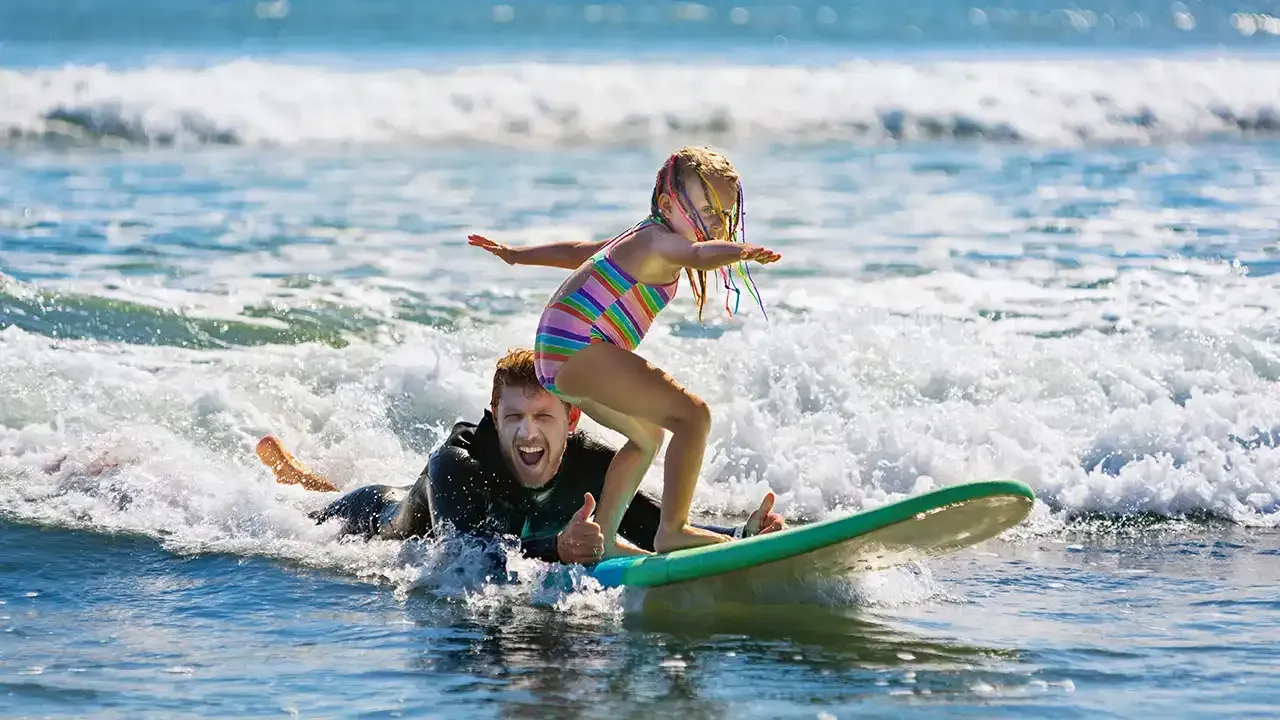
Lessons in Hawaii focus on the basics: how to ride waves safely, read the ocean, and follow surf etiquette. Instructors teach core techniques, ocean safety, and the cultural side of surfing. You'll learn to spot wave patterns and hazards and get a feel for local customs. Taking lessons helps you improve faster and gives you a deeper respect for surfing's history in Hawaii.
Best Surf Spots:
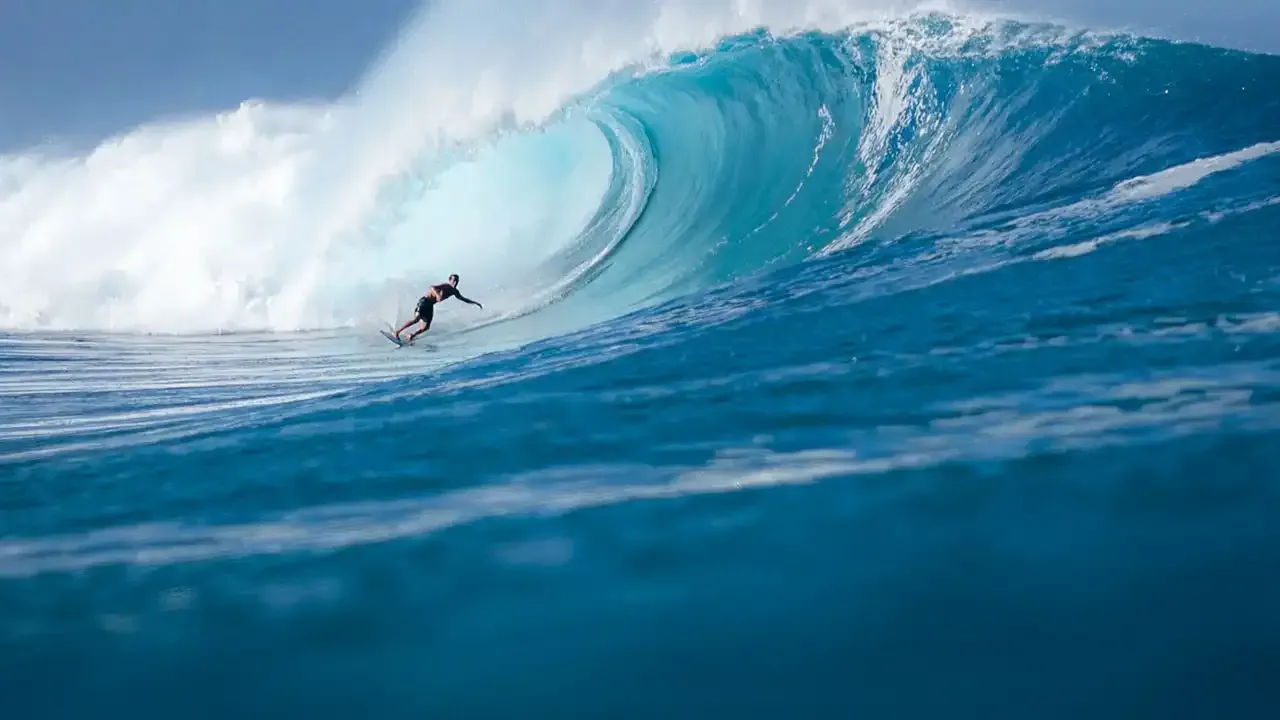
Hawaii has some of the world's most famous surf spots, and plenty are great for beginners. Here are a few to consider:
- Waikiki Beach: Known for its gentle waves, Waikiki is perfect for beginners. The sandy bottom and consistent surf conditions make it a popular choice for surf schools.
- Kahaluʻu Bay: A friendly environment for novice surfers, with shallow waters and manageable waves. It's also a great place to observe marine life while surfing.
- Hanalei Bay: With stunning scenery and soft waves, Hanalei Bay provides a picturesque setting for beginners to practice their skills.
These spots offer gentle waves and a chance to connect with the local surf community and culture.
What to Expect During Lessons:
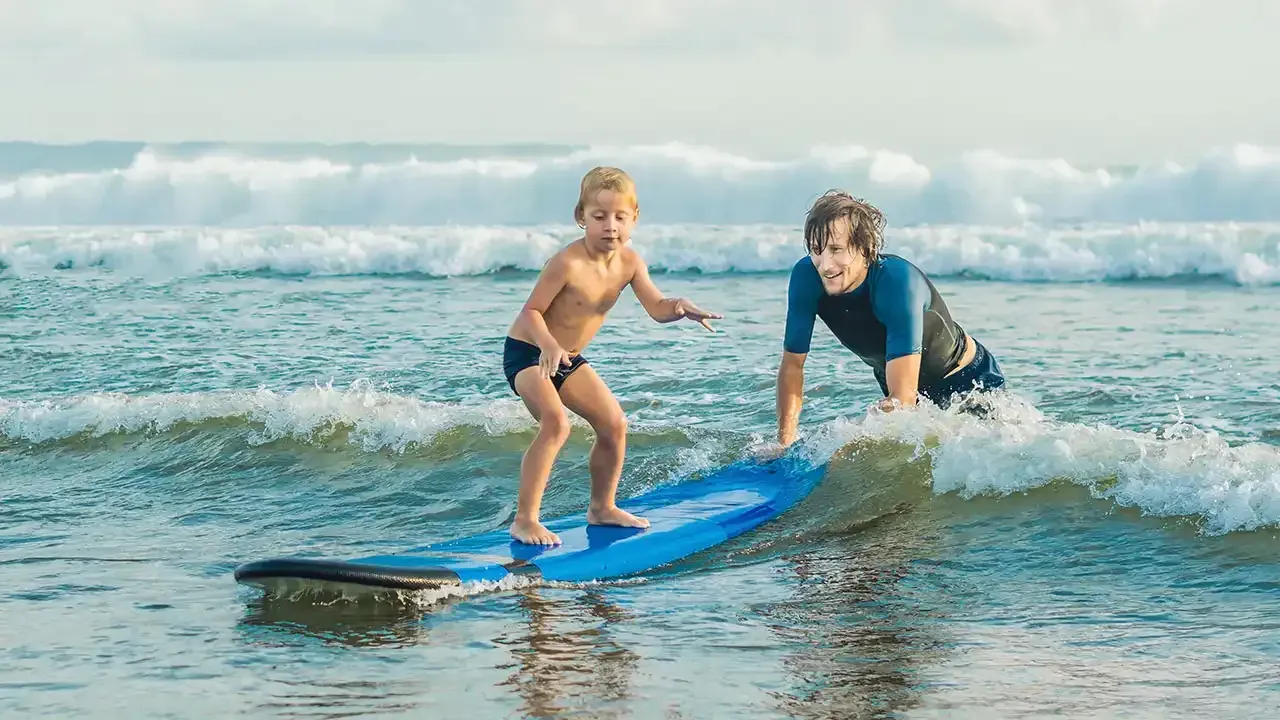
Expect lessons to be organized and safety-first; instructors typically begin with a quick review of equipment and basic safety rules. You'll learn about the surfboard, how to paddle, and the stance that helps you ride waves.
You'll practice on the water with hands-on coaching to help you catch your first waves. Instructors provide one-on-one tips to refine technique and ensure you understand currents and other hazards.
You may also find local surf competitions and community events to watch or join — a great way to meet people and get more involved in the surf scene.
Safety Tips:
Safety should come first when you're learning to surf. Keep a few simple rules in mind:
- Understand Ocean Conditions: Always check the surf report and be aware of tides and currents before entering the water.
- Wear Appropriate Gear: A wetsuit or rash guard can protect you from the sun and abrasions while surfing.
- Supervision While Surfing: Always surf with a buddy or under the supervision of an instructor, especially when you're just starting.
Research shows that focused training makes a real difference: people who take these courses tend to notice hazards more, understand ocean conditions better, learn rescue techniques, and feel more confident handling emergencies.
Surfer Safety Training: Ocean Conditions & Rescue Skills
Across the three parts of the study, participants reported high satisfaction with the course and said they'd recommend it to others. After the training they were more observant of safety concerns, had a better grasp of ocean conditions and hazards, learned rescue techniques and new skills, understood key safety concepts for themselves, and felt more confident responding to an emergency.
Following these suggestions will help you stay safe and enjoy learning how to surf.
Essential Equipment Needed:
Good gear makes learning easier. Here are the basics you'll want:
- Surfboard: Beginners typically use longer, wider boards for better stability and balance.
- Wetsuit or Rash Guard: These provide protection from the sun and help keep you warm in cooler waters.
- Leash: A leash keeps your surfboard attached to you, preventing it from drifting away after a wipeout.
The right equipment will keep you more comfortable and help you progress faster as you learn.
Top Surf Instructors and Schools:
The surf school you pick can shape your experience. Here are a few well-regarded options in Hawaii:
| Surf School | Location | Specialties |
|---|---|---|
| Surf Waikiki | Waikiki Beach, Oahu | Group and private lessons for all levels |
| North Shore Ohana | North Shore, Oahu | Family-friendly lessons with experienced instructors |
| Royal Hawaiian Surf Academy | Lahaina, Maui | Focus on safety and personalized instruction |
These schools are known for experienced instructors and a focus on teaching beginners the fundamentals in a safe, welcoming way.
Booking Your Lesson:
Booking is usually simple. Most schools let you reserve online so you can lock in a spot ahead of time. During busy seasons, it's smart to book early. Double-check the meeting spot, what to bring, and any special requirements before you go.
Do this and you'll have a smoother, more enjoyable start to your surfing adventure in Hawaii.
Frequently Asked Questions
What is the best time of year to take surfing lessons in Hawaii?
It depends on the island and your skill level. Generally, summer (May to September) brings smaller, easier waves that are great for beginners. Winter (November to March) brings bigger swells, especially on the North Shore, which can be tougher for novices. Many schools teach year-round and adjust lessons to the conditions, so you can usually find a good option no matter the season.
How long do surfing lessons typically last?
Most beginner lessons run about 1.5 to 2 hours. That gives instructors time to cover safety, equipment, and basic techniques, plus some on-water practice. Some schools also offer longer sessions or multi-day packages if you want more time to improve.
Can I rent surfing equipment instead of buying it?
Yes — most surf schools and local shops rent boards, wetsuits, and leashes. Renting is a smart choice if you want to try surfing before buying gear. Prices vary, so compare options and see if the lesson package includes equipment.
What should I bring to my surfing lesson?
Bring sunscreen, a towel, and swimwear. If you have a rash guard or wetsuit, bring it, though many schools provide them. Also pack a water bottle to stay hydrated and a change of clothes for after your lesson.
Are there age restrictions for surfing lessons?
Age rules vary by school, but many accept kids as young as five or six. Some schools offer family-friendly classes while others have specific programs for children or adults. Check with the school to learn their age policies and any requirements for minors, like parental consent.
What if I have a fear of the ocean or waves?
Tell your instructor about any anxiety before the lesson. Instructors are used to working with nervous beginners. They'll start with small waves, offer reassurance, and focus on building your confidence step by step. You can also do a few land-based drills first to get comfortable with the equipment and techniques.
Can I take private lessons instead of group lessons?
Yes — many schools offer private lessons. Private sessions give you one-on-one instruction tailored to your needs and pace, which is great if you want focused attention. Ask about availability and pricing when you book, since private lessons often cost more than group classes.