Best Snorkeling Spots in Hawaii: Gear, Safety & Local Tips
Hawaii’s underwater world is unforgettable — clear water, bright coral, and lively marine life make it a top snorkeling destination. This guide walks you through the best spots, the gear to bring, essential safety pointers, and how to join local tours. Whether it’s your first time or you’re a seasoned snorkeler, you’ll find practical advice to help you see more and stay safe. With the right preparation, you’re set for a memorable ocean adventure.
Best Snorkeling Spots in Hawaii
From protected bays to offshore craters, Hawaii has snorkeling sites for every level. Each spot offers its own mix of scenery and marine life — pick one that matches the experience you want.
What Makes Hanauma Bay a Must-Visit Snorkeling Spot?
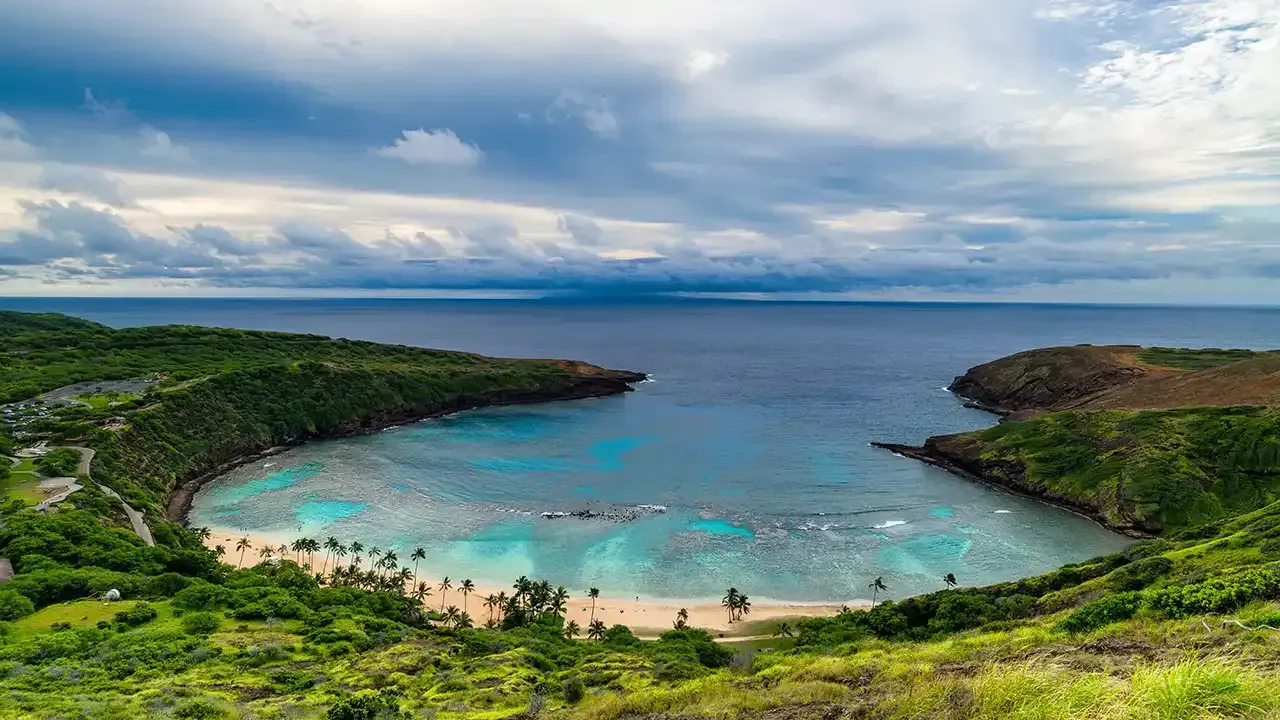
Hanauma Bay is a protected marine conservation area known for clear, calm water and thriving coral gardens full of colorful fish and the occasional sea turtle. The shallow sections are perfect for beginners while deeper areas give more experienced snorkelers room to explore. Educational programs and visitor guidelines make it a great pick for families and anyone who cares about protecting the reef.
Why Should You Explore Molokini Crater and Turtle Town?
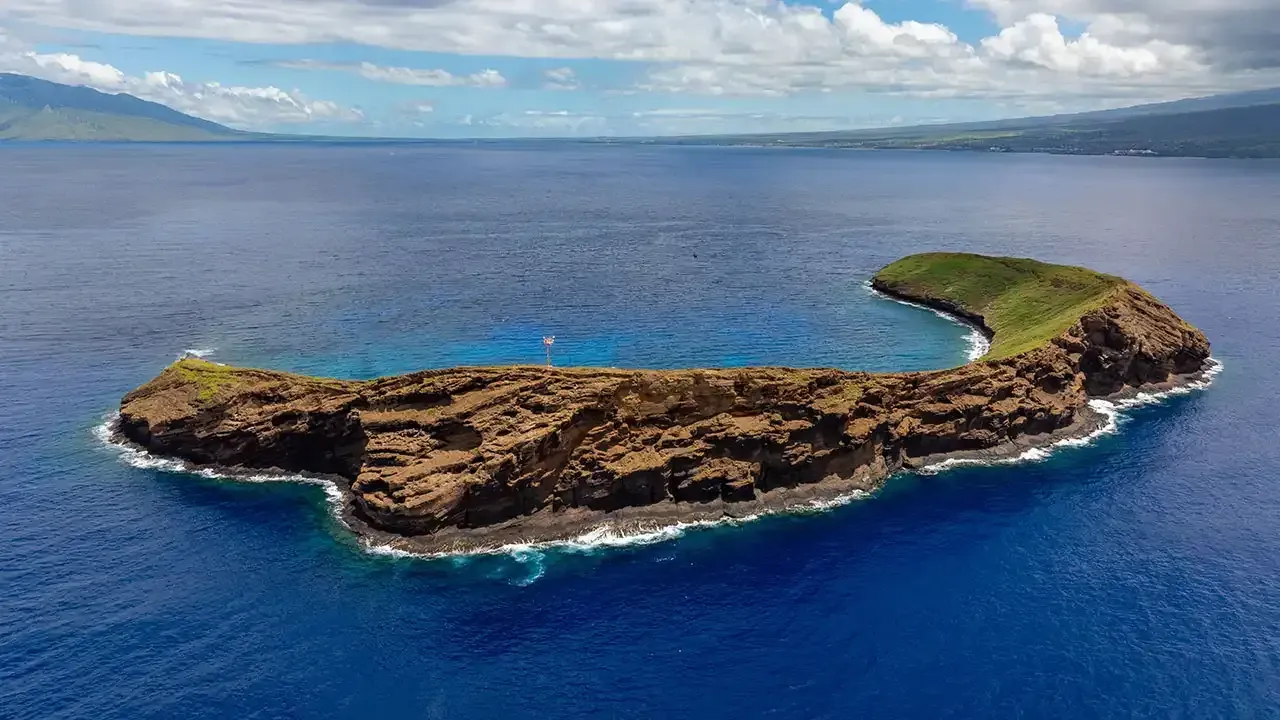
Molokini Crater is a crescent-shaped volcanic caldera offshore that offers exceptional visibility — ideal for spotting tropical fish and vibrant coral. Nearby Turtle Town is famous for friendly resident sea turtles. Both areas are reached by boat, and most operators offer guided snorkeling to help you make the most of your time on the water.
Essential Gear Recommendations
The right gear keeps you comfortable, increases visibility, and helps protect the reef. Below are the basics worth bringing or renting.
What Essential Gear Do You Need for Snorkeling in Hawaii?
For a solid snorkeling outing, pack or rent these essentials:
- Snorkel Mask: A properly fitting mask gives you a watertight seal and clear underwater vision. Test the fit before you go in.
- Snorkel: A dry-top snorkel helps keep water out so you can focus on the view.
- Fins: Fins improve propulsion and conserve energy. Choose a pair that fits snugly without rubbing.
- Wetsuit: Depending on the season and your comfort level, a wetsuit adds warmth and sun protection.
- Reef Shoes: Wear reef shoes to protect your feet from sharp coral and rocky shorelines.
How to Choose the Right Snorkel Mask, Fins, and Wetsuit?
When selecting gear, prioritize fit and comfort so you can relax and enjoy the water:
- Fit and Comfort: A mask should seal without feeling tight. Try on fins and move around to make sure they don’t pinch.
- Material Considerations: Silicone masks and neoprene wetsuits last longer in saltwater and feel comfortable for extended use.
Which Features Should You Look for in Snorkeling Gear?
These features make a real difference on the water:
- Anti-Fog Features: Masks with anti-fog coatings or removable lenses keep your view clear.
- Durability and Safety: Pick gear made from quality materials that handle sun, salt, and regular use.
| Gear Type | Recommended Features | Benefits |
|---|---|---|
| Snorkel Mask | Anti-fog, adjustable straps | Evans |
| Snorkel | Dry top, flexible tube | Less water in the tube for easier breathing |
| Fins | Proper fit, lightweight | Efficient kicking and reduced fatigue |
| Wetsuit | Neoprene, full or shorty options | Warmth, sun and abrasion protection |
This quick reference helps you choose gear that keeps you safe, comfortable, and focused on the reef.
Safety Tips for Snorkeling
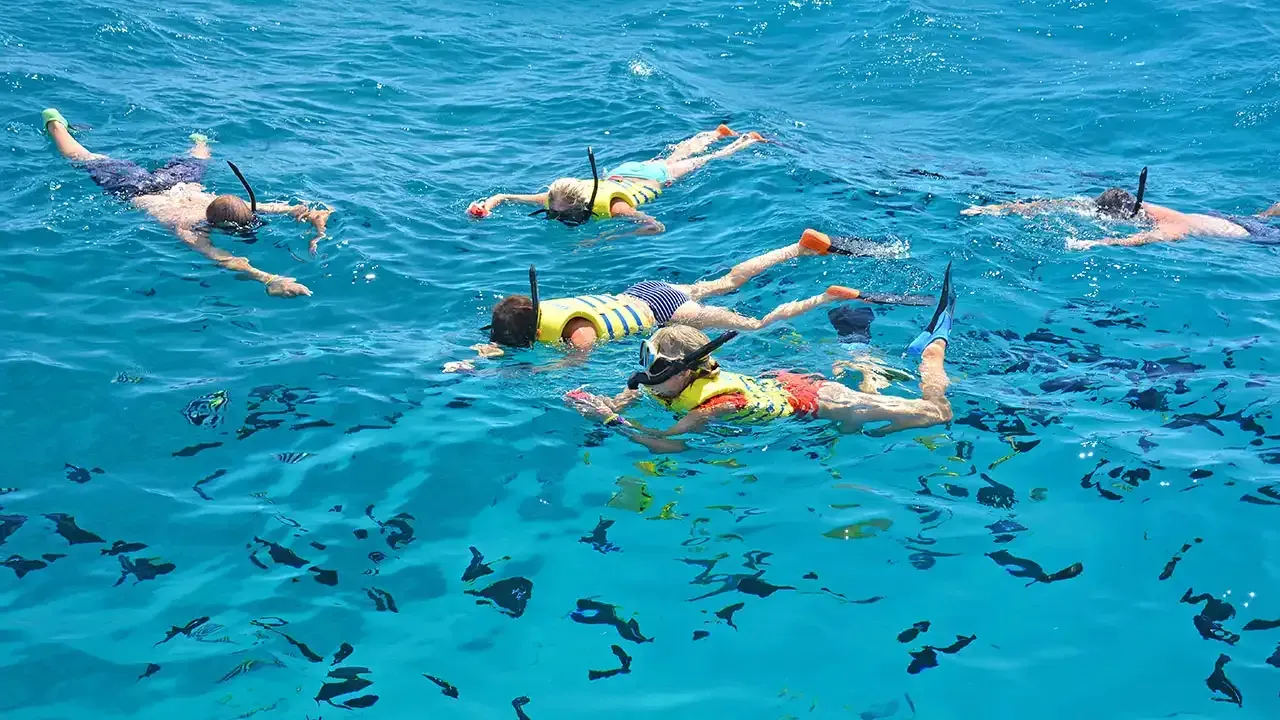
Safety should always come first. Simple precautions keep you and the marine life safe and make the day more enjoyable.
What Are the Best Snorkeling Safety Practices to Follow?
- Buddy System: Always snorkel with a partner so someone can help if conditions change or you need assistance.
- Stay Within Designated Areas: Follow local signage and stay inside marked snorkeling zones to avoid hazards and protect wildlife.
- Wear a Life Vest if Needed: If you’re not a confident swimmer, a flotation aid adds security and lets you relax while snorkeling.
How to Protect Hawaii’s Marine Life While Snorkeling?
Hawaii’s reefs are delicate. Small actions make a big difference:
- Do Not Touch Coral: Touching or standing on coral damages these slow-growing organisms.
- Respect Marine Life: Keep your distance from animals and never feed them — it alters their behavior and can harm them.
When Is the Best Time and How to Join Local Snorkeling Tours in Hawaii?
Joining a guided tour is an easy way to get local knowledge, reliable equipment, and safe access to top spots.
What Are the Benefits of Guided Snorkeling Tours?
Guided trips offer several clear advantages:
- Local Knowledge: Guides point out the best sites, seasonal wildlife activity, and hidden gems.
- Safety and Convenience: Tours usually include gear, safety briefings, and experienced staff to watch the group.
- Access to Exclusive Locations: Some tours reach spots you can’t easily get to on your own, improving your chances of great sightings.
How to Find and Book Local Snorkeling Events and Tours?
Try these practical ways to book a reputable tour:
- Online Resources: Check travel sites, operator reviews, and official tourism pages for vetted options and schedules.
- Local Recommendations: Ask hotel staff, shop owners, or residents for trusted tour operators and up-to-date tips.
Use these guidelines and you’ll have a safer, smoother snorkeling experience. With the right gear and a little planning, you’ll get the most out of Hawaii’s underwater world.
Frequently Asked Questions
What is the best time of year for snorkeling in Hawaii?
Many snorkelers prefer May through September for calmer seas and better visibility, which often means clearer water and easier conditions. Conditions can vary by island and weather, so check local ocean reports before you go.
Are there any age restrictions for snorkeling in Hawaii?
There aren’t strict statewide age limits, but many operators suggest children be about 5 years or older for standard snorkeling tours. Family-friendly options and life jackets are common; always gauge your child’s comfort and swimming ability and supervise them closely.
What should I do if I encounter a sea turtle while snorkeling?
If you see a sea turtle, give it space — don’t touch, chase, or block its path. Harassing turtles is illegal in Hawaii and can result in fines. Observe quietly, enjoy the moment from a distance, and move slowly to avoid startling the animal.
Can I rent snorkeling gear in Hawaii?
Yes — you can rent masks, snorkels, fins, and wetsuits at beach shops, dive shops, and from many tour operators. Inspect equipment for fit and condition before heading out. Guided tours often include gear, which is convenient if you don’t want to bring your own.
What are the environmental regulations for snorkeling in Hawaii?
Hawaii enforces rules to protect marine ecosystems: don’t touch or stand on coral, avoid feeding wildlife, and stay in designated areas. Use reef-safe sunscreen to reduce chemical impacts on marine life. Following local regulations helps preserve these places for everyone.
How can I improve my snorkeling skills before my trip?
Practice in a pool or calm bay to get comfortable with your mask, snorkel breathing, and fins. Consider a short lesson or joining a beginner group to learn technique and build confidence. Watching how-to videos and practicing buoyancy and gentle kicks will make your time on the reef more enjoyable.