Your friendly Hawaii hiking guide: trails, waterfalls & scenic views for every adventurer
Hawaii's hikes blend dramatic scenery, changing ecosystems, and moments of cultural meaning. This guide lays out the essentials — top trails, memorable waterfalls, and scenic lookouts across the islands. Whether you're an experienced hiker or heading out for your first trail, you'll find routes for every ability plus practical tips to make the trip smoother. From Kauai's rainforests to the Big Island's volcanic landscapes, the islands are ready to be explored. We'll point out notable routes, can't-miss falls, and safety reminders so your outing stays memorable.
Hiking Trails
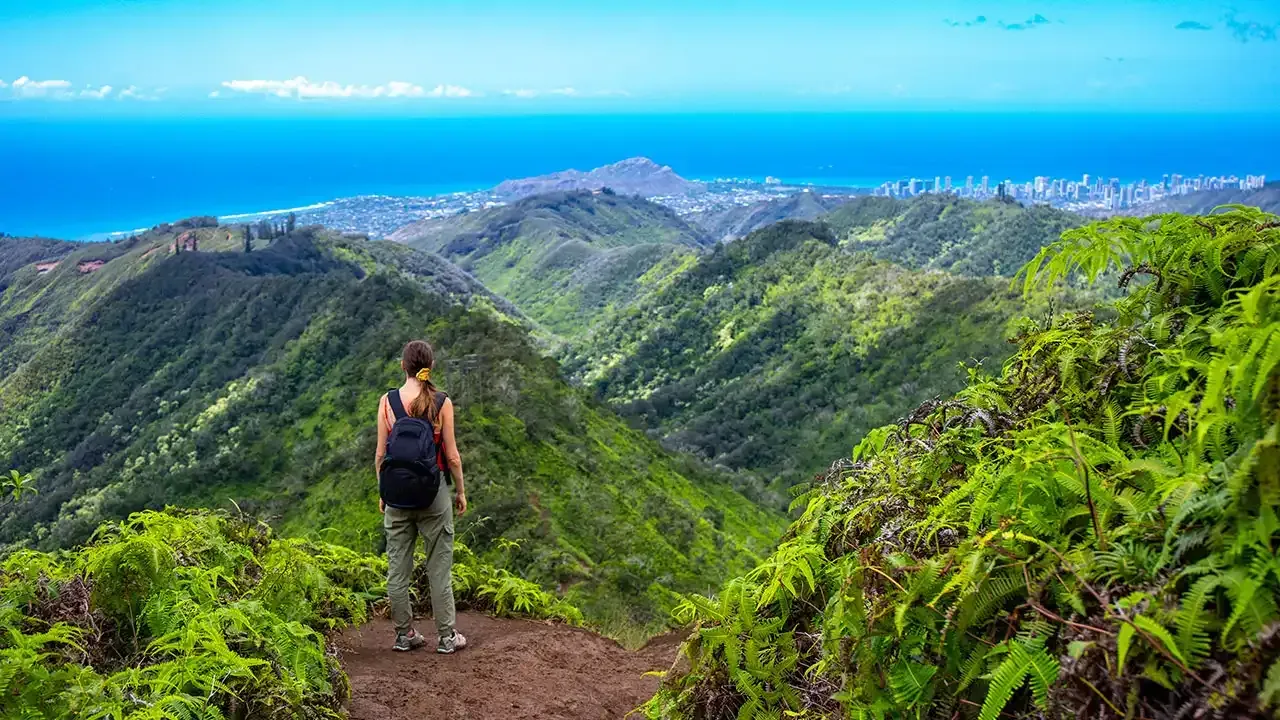
The islands offer a wide variety of trails that showcase Hawaii's natural beauty. Some routes follow the shoreline while others carve through dense forest — pick the trail that fits your schedule and fitness. With options from easy walks to full-day treks, there's something for everyone.
Which trails should you explore on Oahu, Maui, Kauai, and the Big Island?
Notable trails to consider:
- Oahu: Diamond Head Trail is a moderate climb that opens up to sweeping views of Honolulu and the Pacific. The Makapu'u Point Lighthouse Trail delivers dramatic coastal scenery and is a good spot for whale watching when migration season rolls around.
- Maui: In Haleakalā National Park, the Sliding Sands Trail takes you into a stark volcanic landscape, while the Pipiwai Trail leads through bamboo forests to the impressive Waimoku Falls — a true highlight.
- Kauai: The Kalalau Trail is famous for rugged terrain and jaw-dropping views of the Na Pali Coast. For something more accessible, the Hanakapiai Falls Trail offers a beautiful waterfall without the full-on difficulty of Kalalau.
- Big Island: On the Big Island, the Kīlauea Iki Trail lets you walk across a cooled volcanic crater, and the Pololū Valley Lookout gives you expansive views of the dramatic coastline.
How do trail difficulty and length vary across Hawaii?
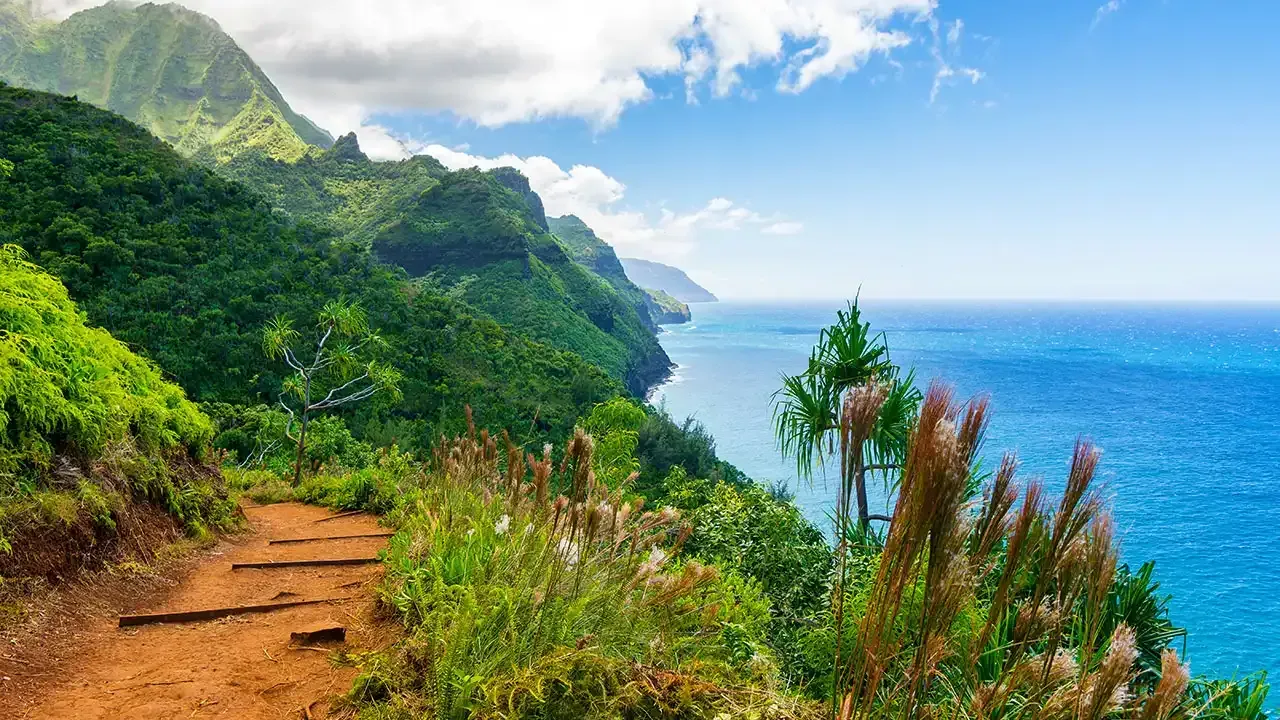
Difficulty and distance can differ widely from one island to the next. Elevation gain, trail surface, and weather conditions all change how hard a hike feels, so check those details before you go.
- Easy trails: Koko Crater Railway Trail on Oahu is short but steep; Waimea Falls Trail on Kauai is fairly flat and family-friendly.
- Moderate trails: Aiea Loop Trail on Oahu mixes elevation and distance for a satisfying mid-level challenge.
- Challenging trails: Kalalau Trail on Kauai is known for steep climbs and rough terrain — it demands solid fitness and preparation.
Understanding how trails differ helps you choose the right hike for your experience and stamina.
Waterfalls
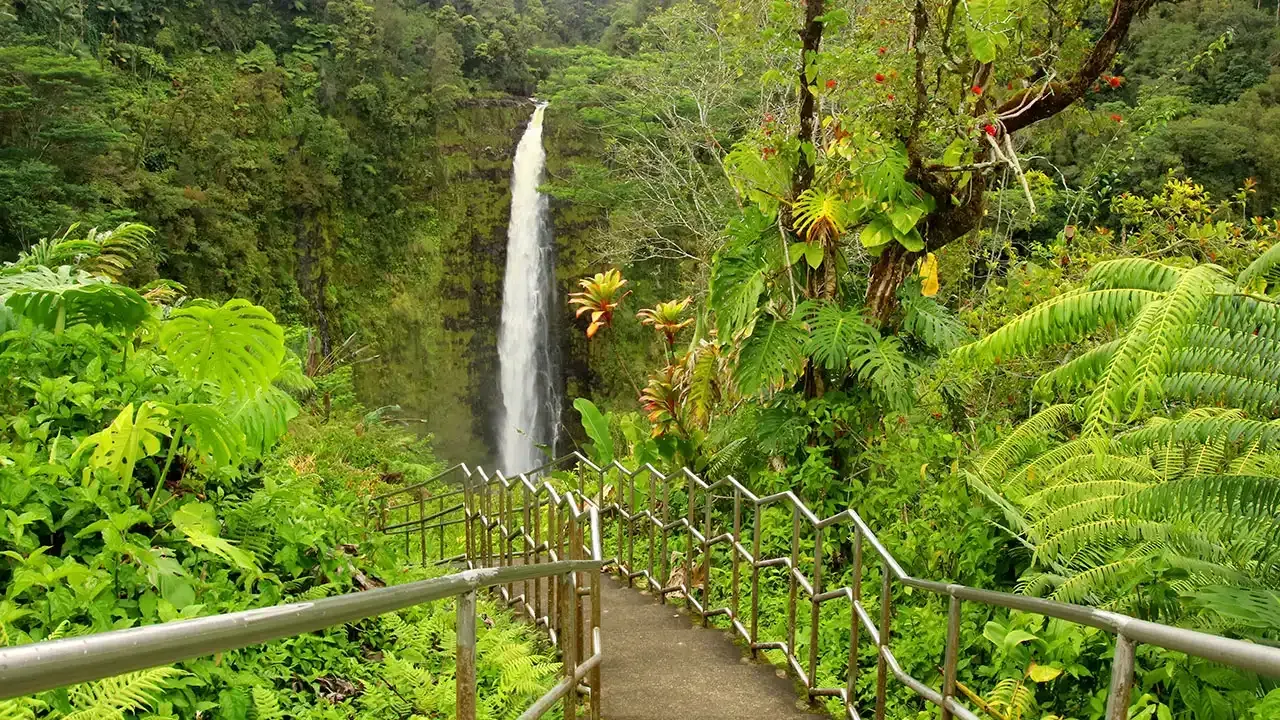
Hawaii's waterfalls are some of the islands' most memorable sights, and many require a scenic hike to reach. They make great photo stops, refreshing swims where allowed, or quiet places to sit and take it all in.
What makes Akaka Falls and Waimoku Falls must-see destinations?
Akaka Falls on the Big Island plunges 442 feet into a lush gorge framed by tropical vegetation. The short walk to the viewpoints gives several great perspectives on the falls.
Waimoku Falls, reached via Maui's Pipiwai Trail, drops roughly 400 feet down a rocky cliff. The approach winds through a towering bamboo forest, which adds a touch of magic to the hike.
Many hikers consider the Pipiwai Trail one of Maui's best — it delivers a dramatic journey through forest, falls, and volcanic terrain.
Pipiwai Trail: Maui's standout hike — waterfalls & bamboo forest
Haleakalā National Park’s Pipiwai Trail is a dramatic, roughly 4-mile round-trip hike through plunging waterfalls, ancient ferns, and a towering bamboo grove. Many consider it the island’s premier hiking experience.
Fodor's Essential Hawaii, 2022
When is the best time to visit Hawaii's waterfall trails?
The dry season (about April to October) usually offers easier footing and less mud. The wet season can make waterfalls fuller and wilder, but trails may be slippery or closed. Either way, check weather and trail reports before you go.
Scenic Views
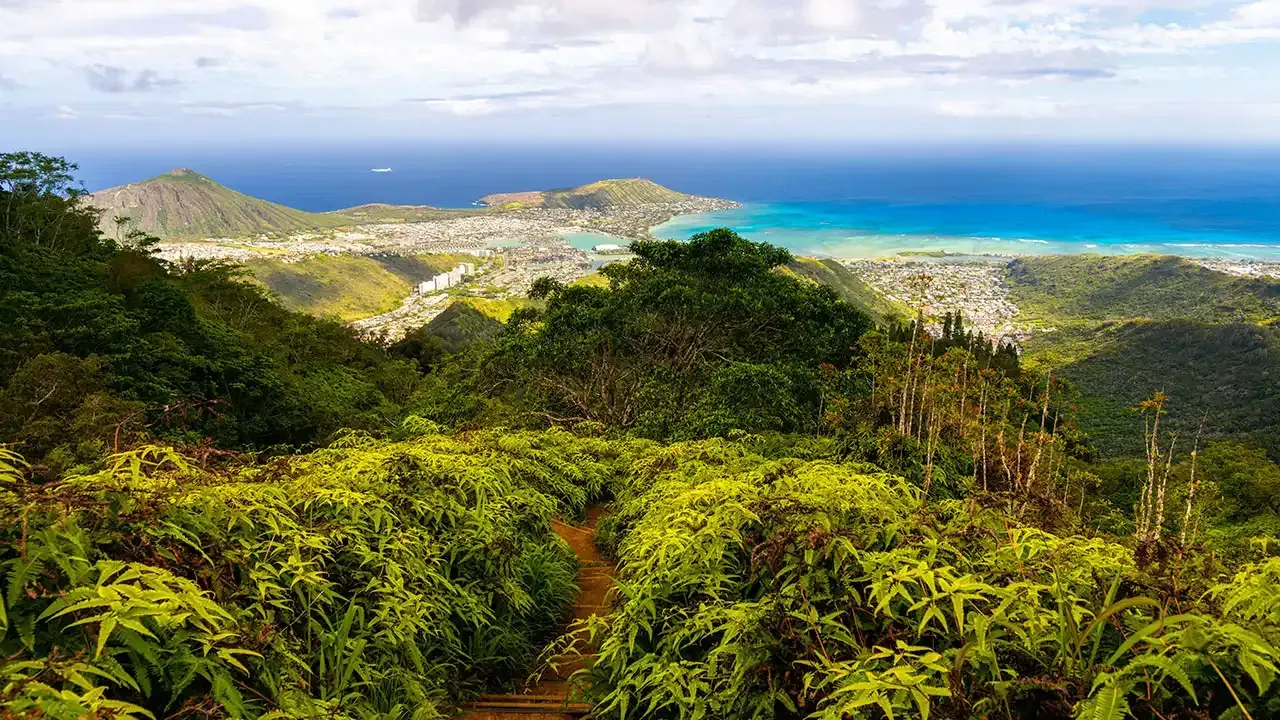
Along many hikes you'll find lookouts perfect for photos or for a quiet pause to drink in the view. Plan short stops to enjoy the scenery and leave time to get back safely.
Guided Tours
If you'd rather let someone else handle logistics, guided hiking tours run across the islands. Local guides point out plants and wildlife, share cultural stories, and help you navigate unfamiliar terrain.
Benefits of guided tours
- Expert knowledge: Guides explain trail history, ecology, and local stories you might otherwise miss.
- Safety: A guide helps you stay on marked routes and avoid common hazards.
- Cultural immersion: Many tours weave in cultural context that deepens your connection to the place.
Safety Tips
Hiking in Hawaii is highly rewarding, but safety matters. A few simple habits go a long way toward a trouble-free trip:
- Stay hydrated: Carry enough water for the full hike, and drink often — tropical heat adds up fast.
- Wear appropriate gear: Sturdy shoes and weather-ready clothing make trails safer and more comfortable.
- Know your limits: Match your route to your fitness and experience, and turn back if conditions change.
Follow these basics and you're more likely to have a safe, enjoyable time on Hawaii's trails.
Frequently Asked Questions
What should I pack for a hiking trip in Hawaii?
Pack smart: water, energy snacks, a small first-aid kit, sturdy hiking shoes, and moisture-wicking clothing. Bring sunscreen, a hat, and sunglasses, plus a lightweight rain jacket — weather can change quickly.
Are there any age restrictions for hiking trails in Hawaii?
Most trails have no formal age limits, but suitability depends on difficulty. Families with young kids will enjoy easier walks like Waimea Falls Trail. Tougher routes such as the Kalalau Trail are best for fit, experienced hikers — consider child carriers for very young children on more demanding paths.
How can I find less crowded hiking trails in Hawaii?
To avoid crowds, hike on weekdays or go early in the morning. Look for lesser-known routes on local hiking forums, blogs, or guidebooks, or visit quieter islands like Molokai and Lānaʻi. Always verify trail conditions and access before you go, since some less-traveled paths require extra preparation.
What wildlife might I encounter while hiking in Hawaii?
You may see native birds like the ʻIʻiwi and the Nēnē goose, plus butterflies and other insects. Near the shore, sea turtles and dolphins are possible sightings. Respect wildlife: observe from a distance and never feed or disturb animals. Be mindful of invasive species that threaten local habitats.
Are there any specific cultural considerations to keep in mind while hiking in Hawaii?
Respect the land and local customs. Some sites are sacred — obey signage and local guidance. Avoid taking rocks, plants, or cultural artifacts. Practice Leave No Trace by packing out trash, and consider hiring a local guide to learn more about the area's cultural history.
What are the best resources for planning a hiking trip in Hawaii?
Use a mix of sources: AllTrails and Hiking Project for maps and trail reviews; visitor centers and state park sites for current conditions; and local hiking groups on social media for on-the-ground tips. Guidebooks and reputable travel blogs focused on Hawaii can also point you to top trails and hidden gems.