Basic Hawaiian Language Phrases for Tourists: Your Friendly Guide to Greetings and Travel Words
Want to get more from your trip to Hawaii? A few basic Hawaiian phrases can make interactions friendlier and show respect. This guide covers greetings, useful expressions, travel words, cultural notes, and pronunciation tips so you can connect with locals and enjoy a more authentic visit.
Many visitors look for a deeper connection to local culture, which is why genuine cultural immersion matters.
Authentic Hawaiian Tourism & Cultural Immersion
English-speaking visitors are interested in Hawaiian culture and feel that there is a visitors’ demand for a more authentic Hawaiian tourism experience in Hawaii through the reintegration of Hawaiian
Agrusa, Wendy, Joseph Lema, John R. Tanner, Tanya Host and Jerome Agrusa. “Integrating Sustainability and Hawaiian Culture into the Tourism Experience of the Hawaiian Islands.” PASOS Revista de Turismo y Patrimonio Cultural 8 (2010): 247-264.
Basic Hawaiian Language Phrases for Tourists

ʻŌlelo Hawaiʻi (the Hawaiian language) is melodic and tied to local history. Learning a handful of words shows respect and often leads to warmer exchanges. Below are essentials to get you started, with simple pronunciation cues.
Essential Greetings
Greetings carry cultural meaning and open friendly interactions. Key ones to remember:
- Aloha: Means "hello" and "goodbye," and expresses love, compassion, and connection.
- Mahalo: "Thank you."
- Aloha kakahiaka: "Good morning."
- Aloha ʻauinalā: "Good afternoon."
- Aloha ahiahi: "Good evening."
Using these greetings shows appreciation for Hawaiian warmth and hospitality.
Common Expressions
A few everyday phrases make conversations easier; keep this short list handy:
| Phrase | Meaning | Pronunciation |
|---|---|---|
| E komo mai | Welcome | eh koh-moh my |
| Pehea ʻoe? | How are you? | peh-heh-ah oy |
| O wai ʻoe? | Who are you? | oh why oy |
| Noho mai | Stay here | noh-ho my |
| E kala mai | Excuse me | eh kah-lah my |
These are useful at markets, shops, or when meeting people — simple phrases that smooth everyday exchanges.
Travel-Related Vocabulary
Keep a few travel words in mind to ask for help and understand signs or directions:
- Kāhea: Call or shout (get attention).
- Kākoʻo: Support (assistance).
- Holo: To run or go (movement/transport).
- Pūerto: Port (harbor or ferry area).
- Kāla: Money.
These short terms make it easier to ask for directions, assistance, or services while traveling.
Cultural Insights
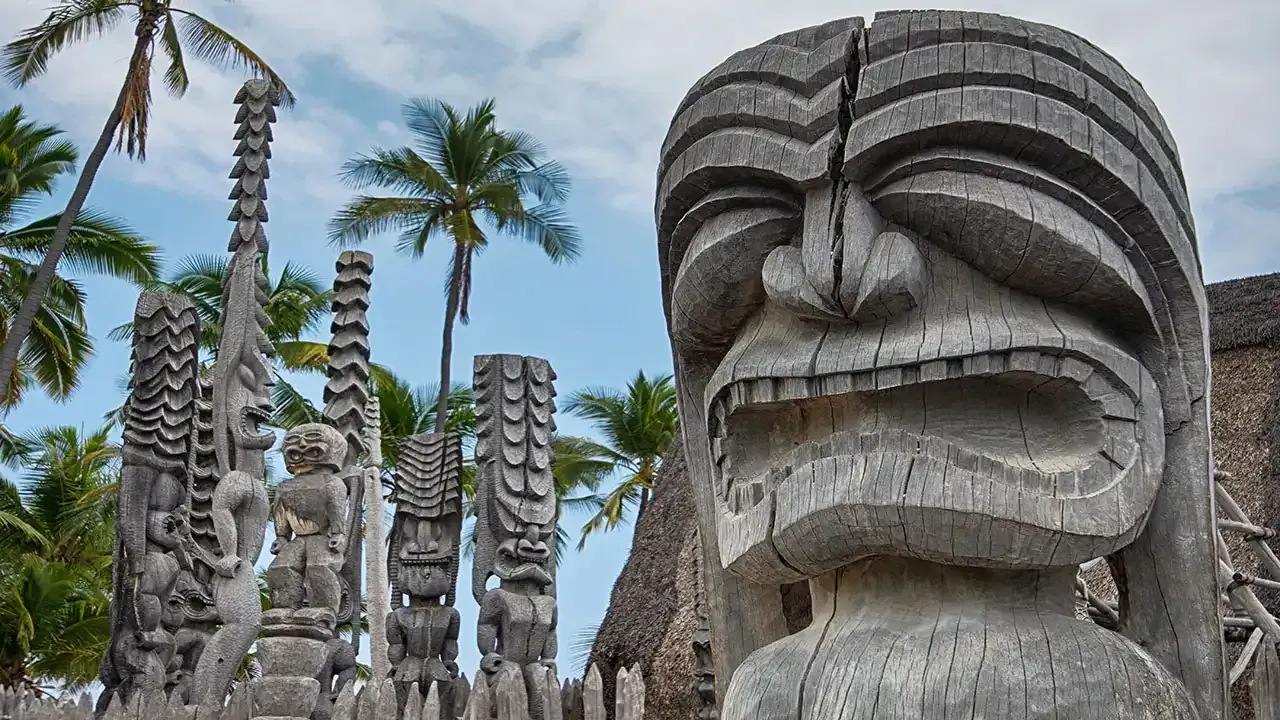
Hawaiian words often reflect values and relationships. For example, ʻOhana means family and emphasizes community ties. Learning even a few words shows respect and can lead to more genuine interactions.
Use the language when appropriate and with sincerity — it often leads to friendlier, deeper conversations that make visits memorable.
Pronunciation Tips
Pronunciation is important but approachable. A few habits help: pronounce each syllable clearly, respect vowel length, and notice the glottal stop (ʻokina).
- Vowel length: Hold vowels slightly longer than English, especially in open syllables.
- Soft consonants: Many consonants are gentle; listen and match the tone.
- Phonetic aids: Use simple phonetic spellings to guide pronunciation (e.g., "Aloha" = ah-loh-hah).
Practice slowly and listen to native speakers when possible to build confidence.
What Are the Most Common Hawaiian Greetings You Should Know?
The most used greetings are Aloha and Mahalo. Aloha carries warmth beyond hello/goodbye; Mahalo is the everyday thanks that locals appreciate.
How Do You Say Aloha and What Does It Really Mean?
Aloha is hello and goodbye, and it conveys love, compassion, and mutual respect. Saying it sincerely shares a bit of Hawaiian spirit.
How Can You Pronounce Basic Hawaiian Words Like a Local?
Speak each syllable clearly and keep a steady rhythm. Slow, deliberate pronunciation with clear vowels will be understood and appreciated.
What Are Simple Tips for Pronouncing Hawaiian Travel Phrases?
- Break it down: Split longer words into syllables.
- Listen and repeat: Use audio or native speakers as models.
- Practice: Short, regular practice improves accuracy.
Which Hawaiian Sounds Are Unique and How to Master Them?
The glottal stop (ʻokina) and vowel length are distinctive. That small pause can change meanings — for example, "Hawaiʻi" (with an ʻokina) differs from "Hawaii." Practice slowly and copy native pronunciation.
What Are Useful Hawaiian Travel Phrases for Tourists?
Keep these polite phrases ready when dining, shopping, or meeting people:
- E ʻoluʻolu: Please.
- He mea maikaʻi: It's a good thing; useful for approval.
- E mālama: Take care (goodbye with well wishes).
Short polite phrases make interactions smoother and show cultural respect.
How Do You Say Thank You and Other Polite Expressions?
Use Mahalo for thank you. Other polite phrases include E kala mai (excuse me) and Aloha (also used as goodbye).
Which Phrases Help You Navigate Local Events and Festivals?
At events, E komo mai (welcome) and Aloha mai (greetings) let you join in and signal friendly intent.
Why Is Learning Hawaiian Language Basics Important for Your Trip?
Knowing basic Hawaiian shows respect, helps build connections, and eases everyday tasks like ordering food or asking directions. Small efforts often improve the overall visit for both visitors and hosts.
Not engaging with the local language can make visits harder and lessen the overall experience for both visitors and hosts.
Overcoming Language Barriers in Tourism
One of the most prominent themes that emerged from the data was the presence of language barriers and their negative impact on tourist satisfaction.
The interconnection between language and tourism: Enhancing visitor experience and cultural exchange, EM Khabib, 2025
How Does Using Hawaiian Phrases Enhance Your Visitor Experience?
Using Hawaiian phrases often prompts warmer responses and more openness to cultural sharing. Those brief moments can turn a routine trip into a meaningful cultural exchange.
Where Can You Practice Hawaiian Language During Your Stay?
Practice at markets, cultural events, community gatherings, or with hosts. Hotels and tour groups sometimes offer language sessions if you prefer structured practice.
Frequently Asked Questions
What Are Some Tips for Learning Hawaiian Language Quickly?
Practice a little each day. Use apps, flashcards, audio, or short lessons. Listening to Hawaiian music and speaking with native speakers speeds learning more than passive study alone.
Are There Any Cultural Etiquette Tips When Using Hawaiian Phrases?
Be sincere and respectful. Greet with a smile and use words like "Aloha" and "Mahalo" genuinely. Avoid using the language jokingly or superficially.
How Can I Use Hawaiian Phrases in Everyday Situations?
Try saying "Aloha" when you meet someone, "Mahalo" when thanked, and "E komo mai" when entering a home or event. Frequent, sincere use helps them feel natural.
What Resources Are Available for Learning Hawaiian Language?
Try language apps, books, audio materials, community classes, and local workshops. Online groups and language exchanges can connect you with Hawaiian speakers for practice.
How Important Is Pronunciation in the Hawaiian Language?
Pronunciation matters because it can change meanings. Hawaiian is largely phonetic; pay attention to glottal stops and vowel length, and practice by listening to native speakers.
Can Learning Hawaiian Phrases Help in Understanding Local Culture?
Yes. Language reflects Hawaiian values and history, so learning phrases offers insight into traditions and encourages deeper conversations with locals.