The History and Significance of Hawaiian Hula Dance: What You Need to Know
Hawaiian hula is a lively, expressive dance that carries the islands' cultural heritage. In this article we'll explore hula's history, the styles you’ll encounter, and the role it plays in Hawaiian life. You’ll learn where hula began, how it changed over time, and why it helps preserve traditions. Even as it evolves, hula remains a powerful way people express identity and community. We'll also point you to festivals and performances where you can experience it firsthand.
Where Did Hula Dance Originate and How Has It Evolved?
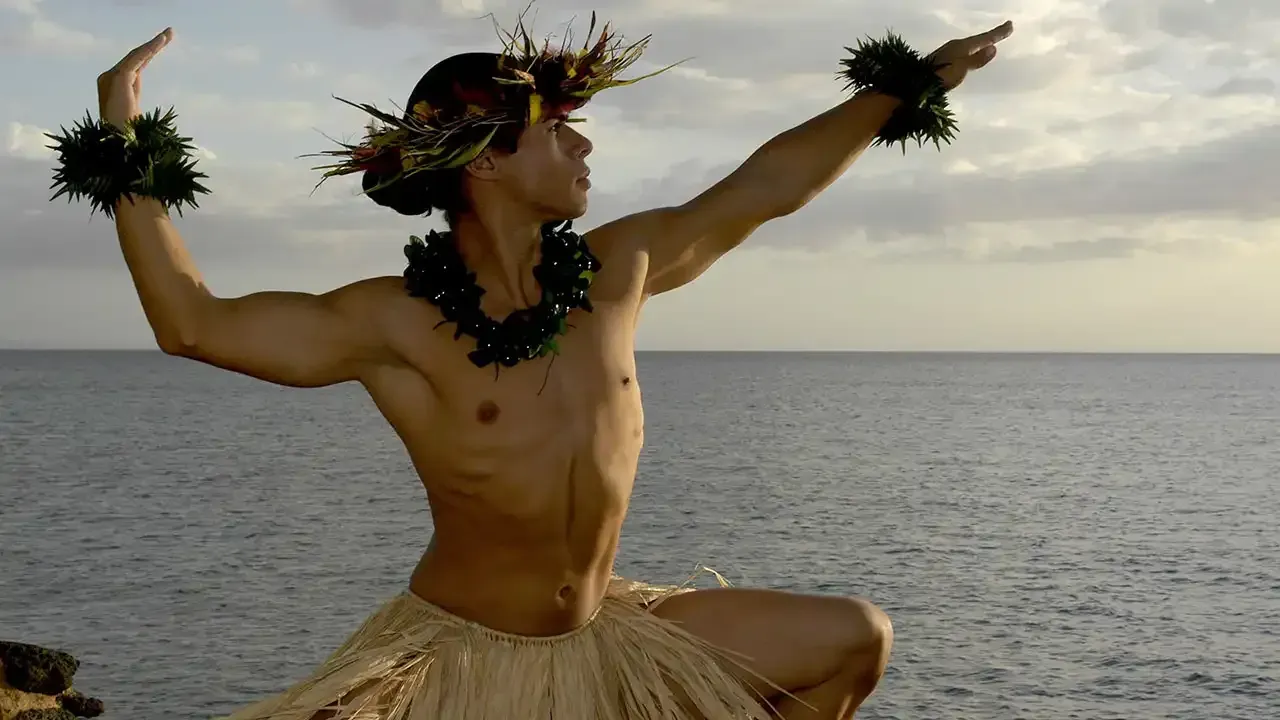
Hula began in ancient Hawaii as a form of storytelling and cultural expression. Rooted in Polynesian traditions, it was performed to honor gods and record important events. Over the years, hula changed as new cultural influences arrived—missionaries and different musical styles shaped how it looked and sounded. That adaptability is part of why hula still matters today.
What Are the Roots of Traditional Hawaiian Dance?
Traditional Hawaiian dance traces back to the Polynesian settlers who came to the islands. Early hula used rhythmic movement and chants, called mele, to tell stories and preserve history. It wasn't just entertainment; it was a sacred practice that connected people to their ancestors and to the natural world.
How Has Hula Changed Over Time?
Hula has gone through major shifts. When missionaries arrived in the 19th century, many traditional practices declined because hula was viewed as pagan. A 20th-century revival—driven by cultural pride and the founding of hula schools—helped bring it back. Today hula blends traditional and modern elements, reflecting a living, changing culture.
The many faces of hula today make you think—people see it as everything from a tourist show to a sacred tradition.
Hula's Evolution: Tourism, Competitions, and Traditional Meaning
Each year, hundreds of thousands of tourists expect to see “real Hawaiian hula” at hotels or packaged lūʻau events. Many people first meet hula through competitions held in Hawai'i and, increasingly, around the world. Others know hula as a fitness trend, taught in gyms and malls. But what is hula, really? Is it an exotic show that just entertains tourists—one moment tempting with hip movements and the next reminding you to “keep your eyes on the hands”? Is it the precise, synchronized routines judged at competitions? Or is it the movement plus the meaning and context that turn it into an art form that keeps tradition alive?
Rowe, Sharon Māhealani. “We Dance for Knowledge.” Dance Research Journal 40, no. 1 (2008): 31–44. http://www.jstor.org/stable/20527591.
What Are the Main Styles of Hula Dance and How Do They Differ?
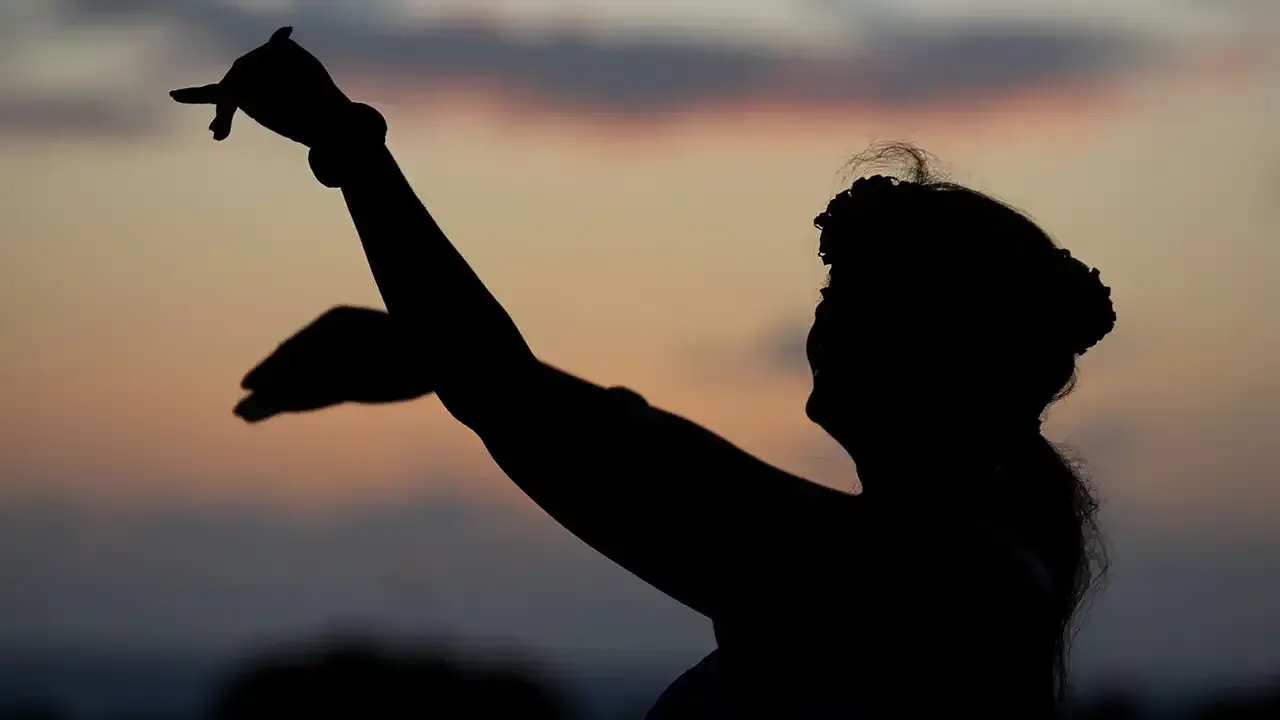
Hula is mainly split into two styles: hula kahiko and hula 'auana. Each style has its own look, sound, and cultural role, which shows the range within this art form.
What Makes Kahiko Hula Unique?
Hula kahiko is the traditional form, danced to ancient chants and played with instruments like the ipu (gourd drum) and pahu (sharkskin drum). It emphasizes Hawaiian history and spirituality. The movements tend to be grounded and deliberate, matching the stories being told.
How Is Auana Hula Different from Kahiko?
Hula 'auana is a more modern style influenced by Western music, with instruments like guitar and ukulele. Its movements are generally more fluid and open to artistic interpretation. Themes often center on love and nature, which makes this style easy for many people to connect with.
Why Is Hula Dance Important in Hawaiian Culture?
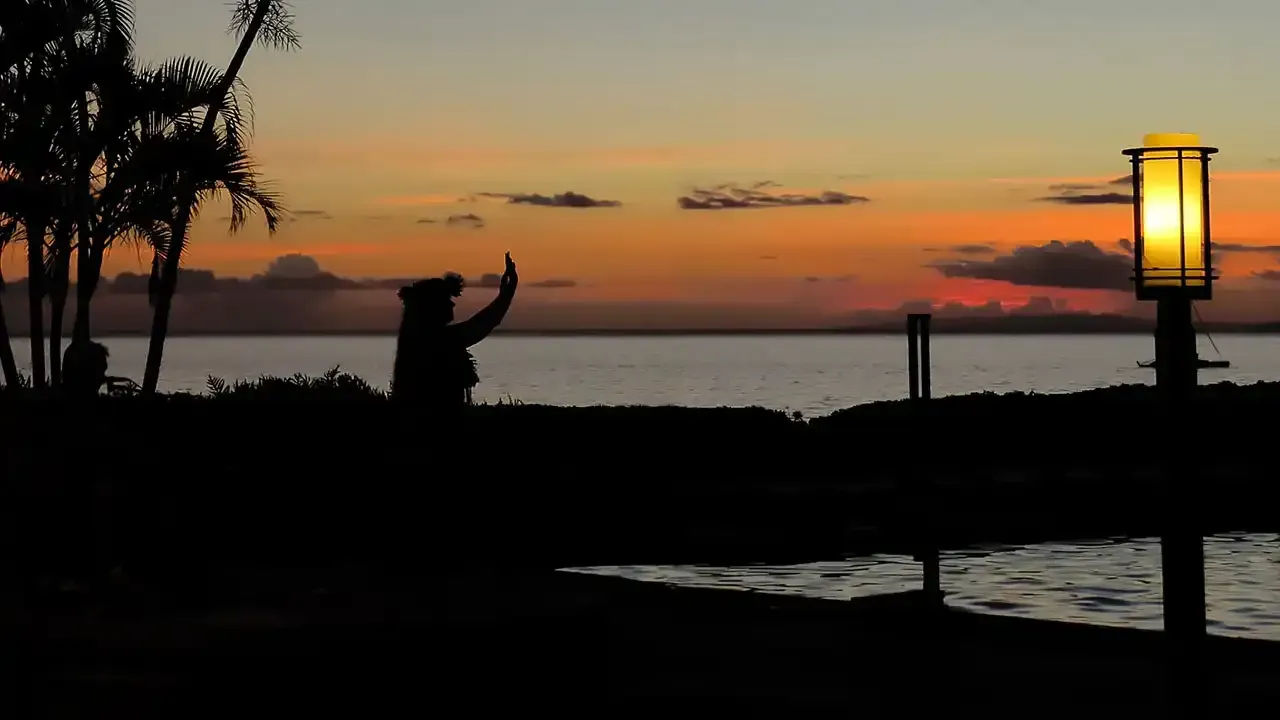
Hula holds deep meaning in Hawaiian culture. It helps preserve stories and history, builds community bonds, and expresses identity. Hula is a living tradition—always changing while keeping its core values.
What Does Hula Symbolize in Hawaiian Traditions?
In Hawaiian tradition, hula shows the link between people and their environment. The movements and chants reflect nature's beauty, the importance of family, and respect for ancestors. Hula serves as a reminder of the values that shape Hawaiian identity.
How Do Mele and Oli Enhance the Meaning of Hula?
Mele and oli—the chants and songs tied to hula—give the dance its depth. They add context so dancers can convey specific stories and emotions. Together, they help keep hula a strong form of cultural expression.
How Can You Experience Hula Through Festivals and Performances?
Seeing hula at festivals and performances is a great way to connect with Hawaiian culture. Events throughout the year showcase talented dancers and the richness of these traditions.
What Are the Major Hula Festivals in Hawaii?
Hawaii hosts several major hula festivals that celebrate the art form's cultural importance. Notable events include:
- Merrie Monarch Festival: This prestigious festival held annually in Hilo features hula competitions and showcases the best hula practitioners from around the world.
- Aloha Festivals: A month-long celebration that includes parades, concerts, and hula performances, highlighting the spirit of aloha and Hawaiian culture.
- Hula O Na Keiki: A children's hula competition that encourages the younger generation to embrace and preserve their cultural heritage.
Where Can You Join Hula Workshops and Shows?
If you want to try hula, there are plenty of workshops and shows across Hawaii. Popular options include:
- Hula With Aloha classes: These classes offer a welcoming environment for beginners to learn the basics of hula.
- Kuhio Beach Hula Show: A free weekly show that features local hula dancers performing traditional and contemporary hula.
- Royal Hawaiian Center activities: Regular hula performances and workshops that allow visitors to immerse themselves in Hawaiian culture.
Hula is more than a performance—it's a celebration of Hawaiian identity and community. Taking part in festivals or workshops will give you a deeper sense of what it means and the values behind it.
Frequently Asked Questions
What is the significance of hula in modern Hawaiian society?
Today, hula is a living expression of cultural identity and community. It connects generations, helping younger people learn their heritage and building pride in roots. Hula also preserves traditional stories and practices. At the same time, it helps educate visitors about Hawaiian culture and supports local economies.
How can tourists respectfully engage with hula culture?
If you're visiting, show respect by attending authentic performances and joining workshops led by local practitioners. Come with an open mind and a willingness to learn. Follow local protocols—don’t take photos during performances unless you're told it's okay. Seeing hula as a sacred art, not just entertainment, will deepen your appreciation.
What role do hula competitions play in the preservation of the dance?
Competitions help keep hula alive by encouraging practice and high standards. Events like the Merrie Monarch Festival highlight traditional forms and showcase talent. They build community pride, push dancers to preserve hula's integrity, and create spaces to share knowledge so the art can continue to thrive.
Are there any health benefits associated with practicing hula?
Yes—hula offers physical and mental benefits. The movements improve flexibility, strength, and coordination, and provide cardiovascular activity. Mentally, hula promotes mindfulness and emotional well-being as dancers connect with music and story. Joining hula also creates social bonds, which can reduce isolation and boost mental health.
What are some common misconceptions about hula?
One common mistake is thinking hula is just entertainment or a tourist act. In reality, it's a spiritual and cultural practice that tells stories and shares Hawaiian values. Another misconception is that all hula is the same—hula kahiko and hula 'auana differ in meaning and style. Knowing those differences helps you appreciate hula's true depth.
How can someone learn more about hula outside of Hawaii?
You can learn hula outside Hawaii through many resources. Cultural groups and hula schools often offer online classes and workshops so you can study the basics and history from anywhere. Books, documentaries, and videos are also useful. Attending local Hawaiian cultural events can connect you with practitioners and deepen your understanding.