Must-Try Hawaiian Foods: Your Friendly Guide to Authentic Local Flavors
Hawaiian cuisine blends Polynesian, Asian, and American influences into distinct flavors and ingredients tied to the islands' history. This guide highlights must-try dishes, key ingredients, and the cultural context so you can taste and understand why these foods matter.
Must-Try Hawaiian Foods: A Culinary Journey
Built on Polynesian roots with later Asian and American additions, Hawaiian food emphasizes fresh seafood, tropical fruit, and local produce. Knowing the stories behind dishes enhances the experience.
Must-Try Traditional Dishes
These classic dishes give a clear sense of local flavor and cultural heritage.
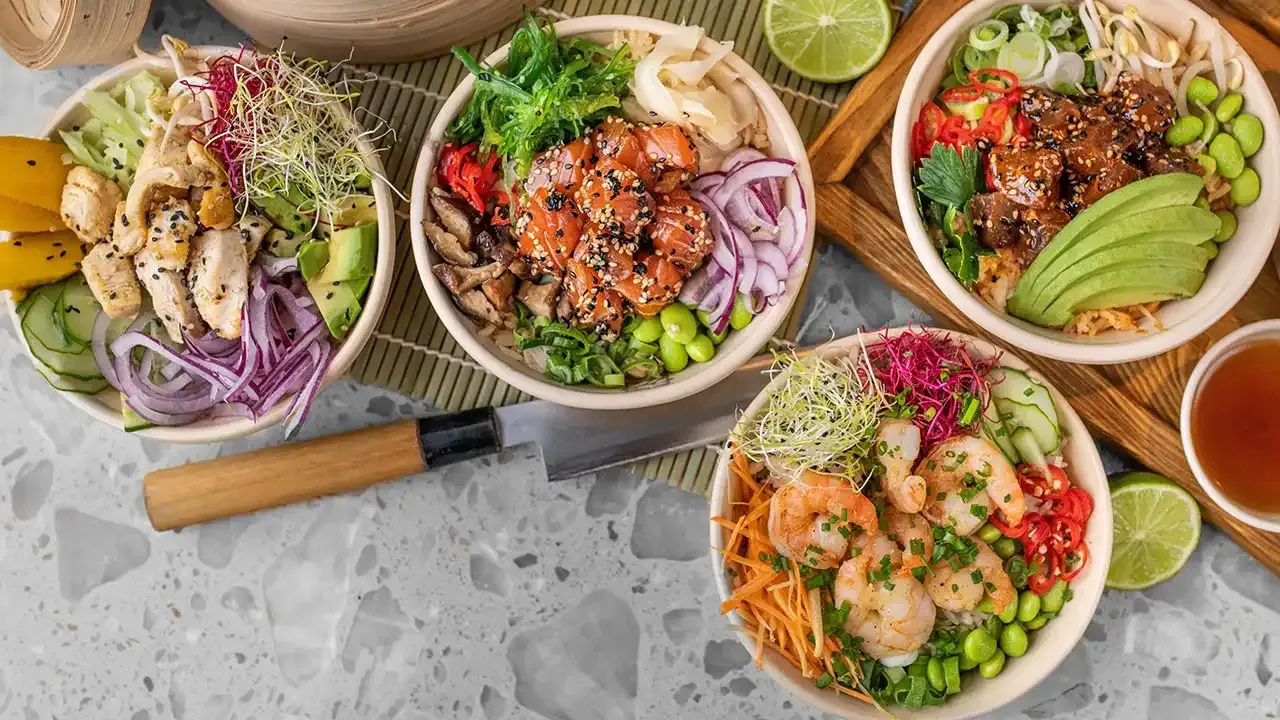
- Poke: Cubed raw fish dressed with soy, sesame oil, and green onion; often served over rice.
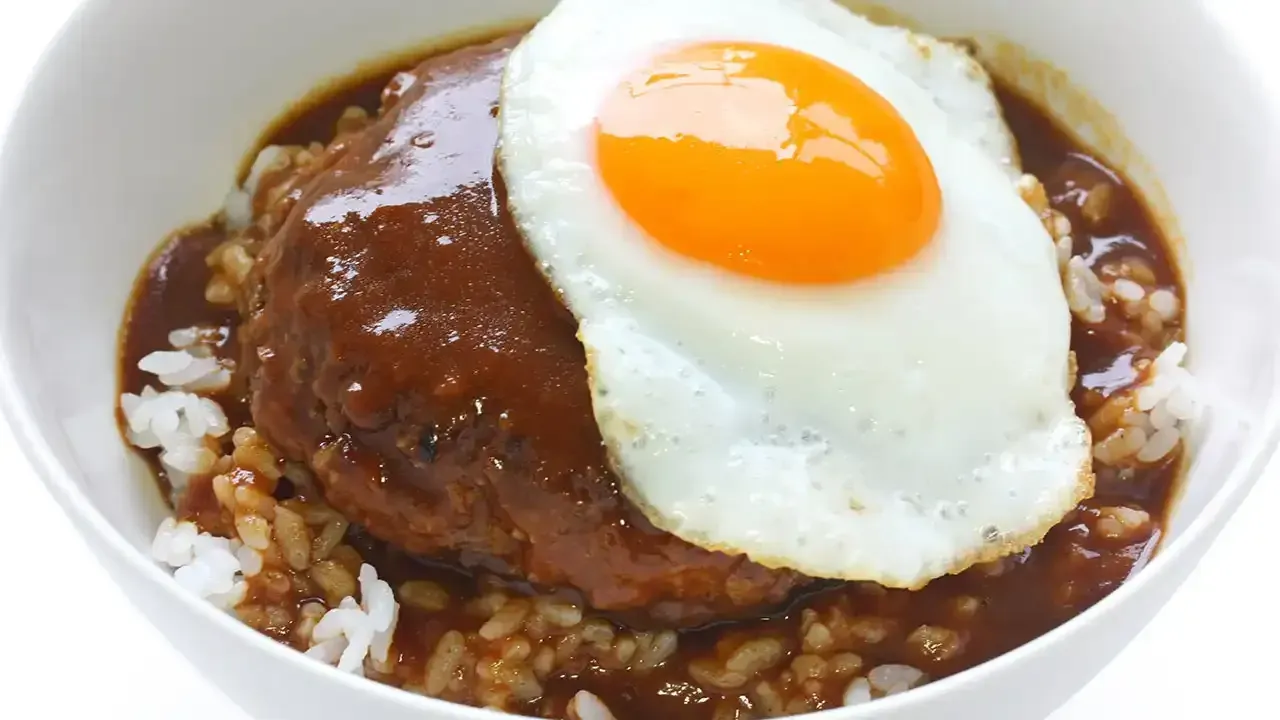
- Loco Moco: Rice topped with a hamburger patty, fried egg, and brown gravy — a hearty comfort-food fusion.
- Kalua Pig: Slow-cooked in an imu for a tender, smoky result commonly served at luaus.
- Lau Lau: Pork or fish wrapped in taro leaves and steamed until tender.
- Poi: Pounded taro paste with a unique texture, a staple with deep cultural meaning.
How Is Poi Made and Why Is It So Special?
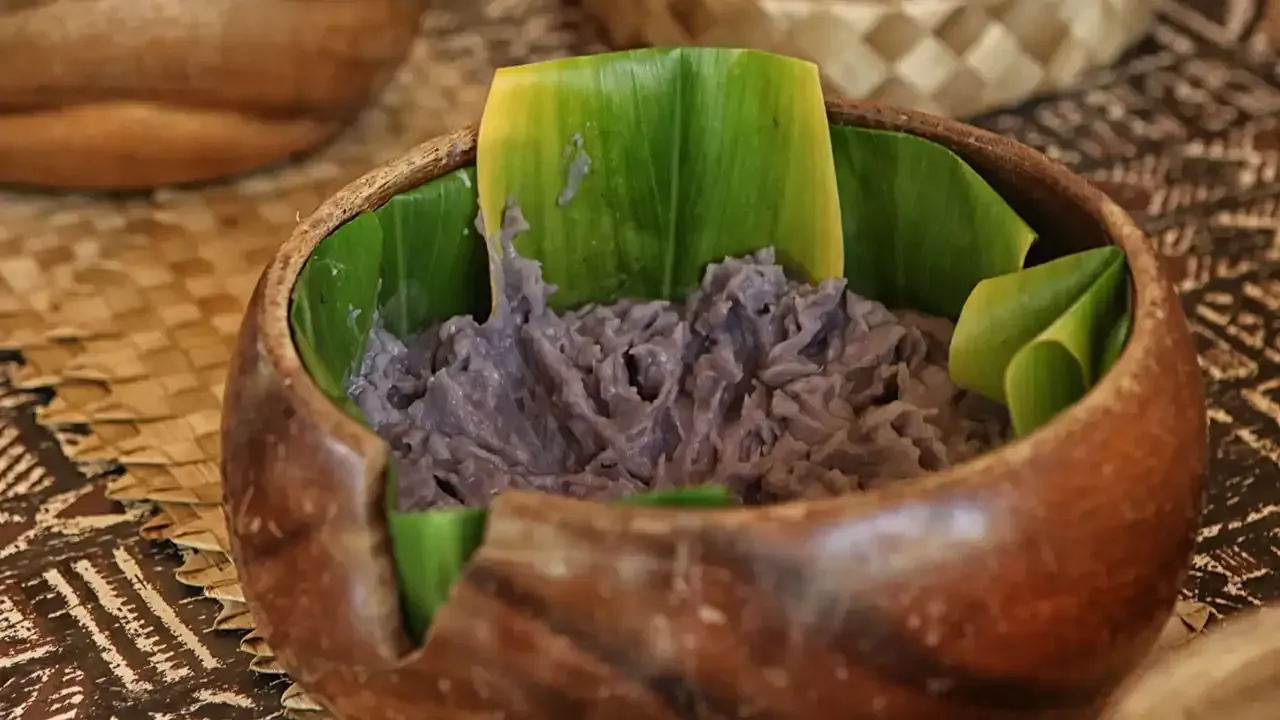
Poi is made by steaming taro, then mashing and adding water until smooth. It appears at family gatherings and celebrations and can develop a mildly tangy flavor as it ferments. More than a dish, poi symbolizes Hawaiian identity and continuity.
What Makes Kalua Pig a Hawaiian Culinary Icon?
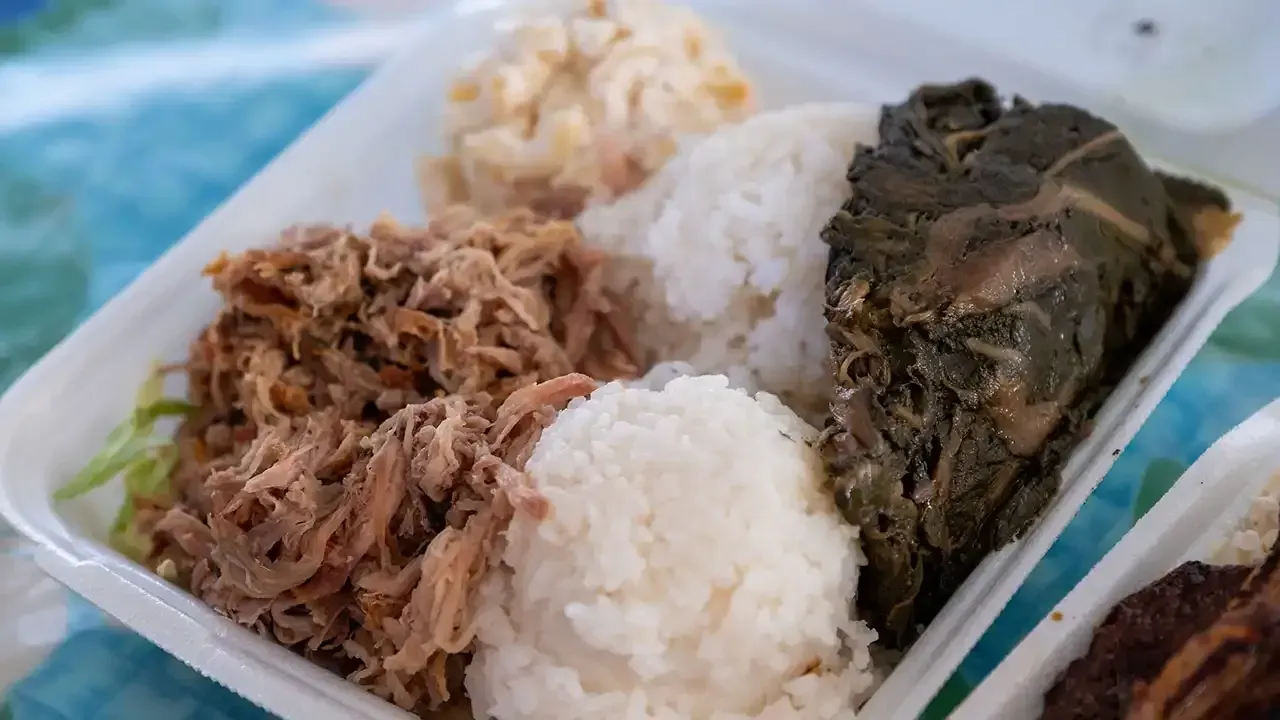
Kalua pig's flavor comes from traditional imu cooking: the pig is salted, wrapped in leaves, and slow-roasted underground. The method yields smoky, very tender meat and reflects communal cooking and sharing at important events.
Imu cooking isn't just about dinner—it's a direct link to Hawaiian heritage and the passing down of family knowledge.
Traditional Imu Cooking & Hawaiian Cultural Heritage
Shows how to prepare and cook food in a traditional imu and highlights its importance to ancestors and Hawaiian culture. Souza emphasizes the significance of passing on authentic methods.
Souza, Laynee (2026) "Imu Crew Passes on Knowledge & Tradition," Fresh Voices: Composition at Cal Poly: Vol. 16: Iss. 1, Article 17.
Unique Ingredients
Local ingredients give Hawaiian dishes their character. A few key items are central to many recipes and traditions.
| Ingredient | Cultural Significance | Usage |
|---|---|---|
| Taro | A staple in Hawaiian agriculture, symbolizing life and sustenance. | Used to make poi and lau lau. |
| Macadamia Nuts | Introduced in the 19th century, they have become a beloved local treat. | Used in desserts and as snacks. |
| Fresh Seafood | Abundant in Hawaiian waters, seafood is central to many traditional dishes. | Featured in poke and other seafood dishes. |
| Tropical Fruits | Reflecting the islands' agricultural diversity, fruits like pineapple and mango are widely enjoyed. | Used in salads, desserts, and beverages. |
These ingredients both shape flavor and tell the story of the islands' farming and cultural heritage.
Cultural Significance
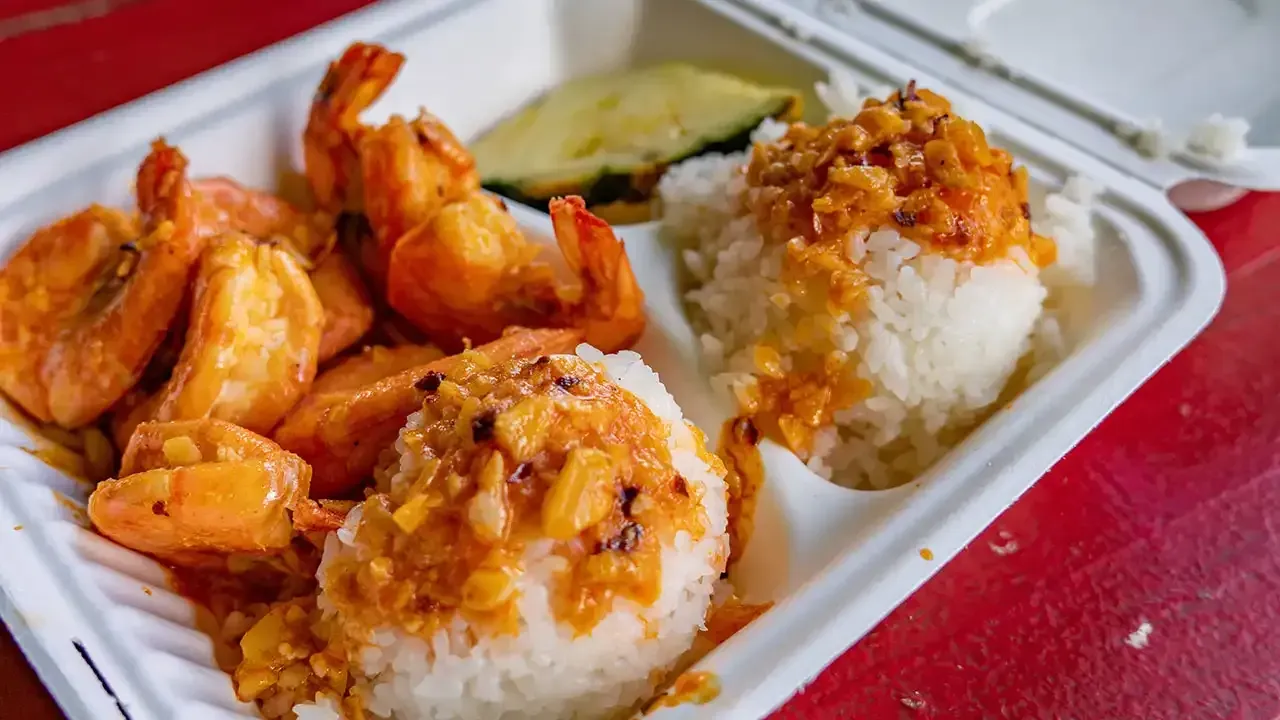
Food in Hawaii connects people: meals bring families and communities together to share stories and celebrate. Techniques like imu cooking reflect respect for the land and intergenerational knowledge. Understanding these practices deepens appreciation for the cuisine.
How Can You Enjoy Hawaiian Food Today: Recipes and Local Eats
You can recreate many Hawaiian dishes at home with simple adaptations, or find authentic plates at local eateries and food trucks. Both approaches let you experience island flavors whether you're visiting or cooking locally.
What Are Easy Hawaiian Food Recipes to Try at Home?
Try these straightforward recipes
- Poke Bowl: Toss cubed fresh fish with soy, sesame oil, and green onion; serve over rice with avocado and seaweed.
- Loco Moco: Cook a beef patty, fry an egg, and serve over rice with brown gravy.
- Huli Huli Chicken: Marinate chicken in soy, ginger, and pineapple juice, then grill until done.
These give a quick, tasty introduction to Hawaiian flavors in your kitchen.
Where to Find Authentic Hawaiian Snacks and Local Restaurants?
Markets, food trucks, and neighborhood restaurants often serve authentic dishes made with local ingredients and traditional methods. Ask locals or check our list to find trusted spots, and try markets for snacks and handmade treats.
Which Food Festivals Celebrate Hawaiian Culinary Traditions?
Year-round festivals, such as the Honolulu Festival and regional events, showcase local dishes, chefs, and producers. They offer a convenient way to sample many foods and meet the people behind them.
How Do Local Events Connect Food with Hawaiian Culture?
Festivals and luaus pair food with music, dance, and storytelling, demonstrating how cuisine fits into broader cultural practices. Participating provides context for the dishes and the communal values they represent.
The Hawaiian luau is a strong example of that cultural link—it grew from ancient feasting traditions into the community events you see today.
Hawaiian Luau: Tradition & Culinary Culture
Discusses Hawaiian feasting. Before modern tourist luaus and the social changes of the nineteenth century, Hawaiian eating and feasting were part of a sacred culinary culture.
O'Connor, Kaori. (2008). The Hawaiian Luau: Food As Tradition, Transgression, Transformation and Travel. Food, Culture and Society: An International Journal of MultidisciplinaryResearch. 11. 149-172. 10.2752/175174408X317543.
Frequently Asked Questions
What are some popular Hawaiian desserts to try?
Try haupia (coconut pudding), malasadas (sugar-coated Portuguese doughnuts), and lilikoi (passion fruit) mousse for bright island desserts.
How can I incorporate Hawaiian flavors into my cooking?
Use fresh seafood, pineapple, mango, taro, and macadamia nuts. Simple marinades with soy, ginger, and sesame oil bring island accents to familiar dishes.
What is the significance of luaus in Hawaiian culture?
Luaus mark celebrations and community gatherings, combining food with performance and storytelling to preserve culinary and social traditions.
Are there vegetarian or vegan options in Hawaiian cuisine?
Yes. Poi and many fruit- and vegetable-based dishes are naturally vegan, and plant-based swaps work well in items like loco moco.
What are some traditional Hawaiian cooking techniques?
Key methods include imu (underground roasting), steaming (as with lau lau), and grilling for marinated meats and seafood—techniques that shape flavor and community practice.
How do I choose the best local restaurants for authentic Hawaiian food?
Look for places that use fresh, local ingredients and traditional methods. Food trucks, markets, and family-run restaurants often offer the most authentic, casual options.