Must-Visit Historical Sites in Hawaii: Your Friendly Guide to Exploring Ancient Temples, Royal Landmarks, and Cultural Heritage
Hawaii is full of historical sites that show its rich culture and ancient traditions. From temples to royal landmarks, these places reveal the stories that shaped the islands. This guide walks you through must-see sites across Oahu, the Big Island, and Molokai, and points out cultural heritage spots and preservation work that keep those stories alive. Whether you love history or are just curious, you'll find plenty to explore.
Oahu
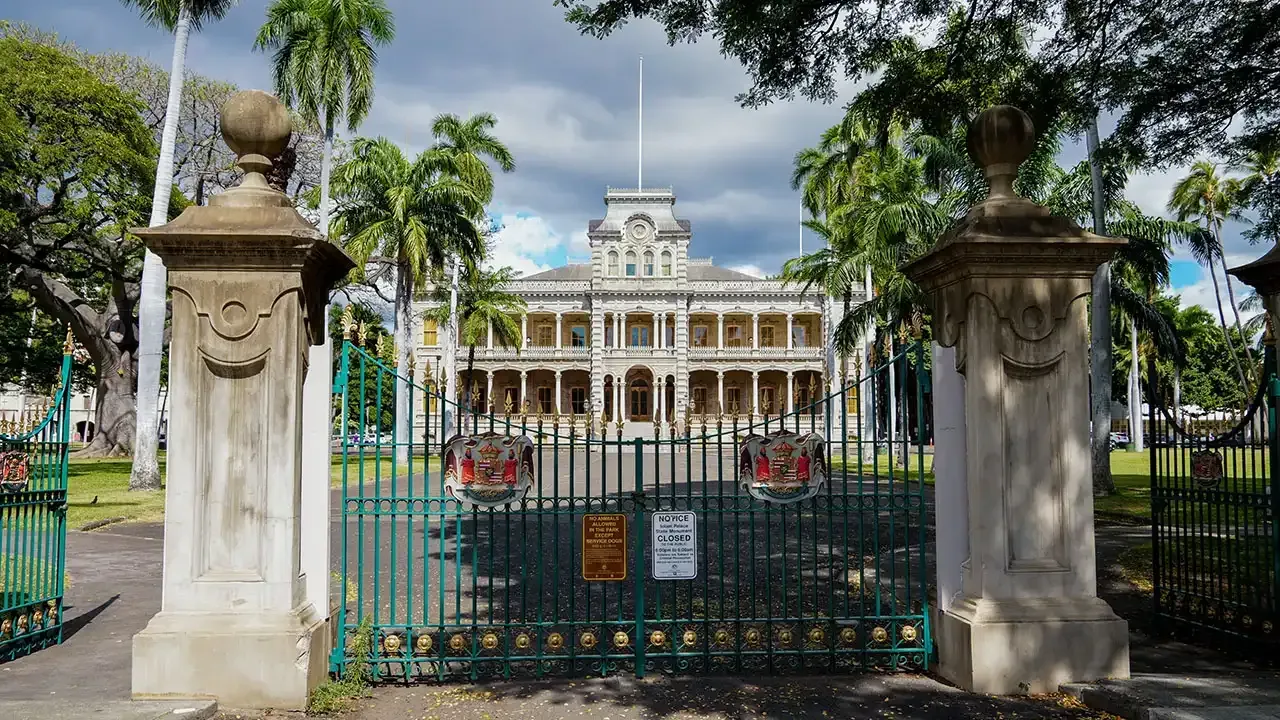
Oahu has some of Hawaii's most important historical sites, each telling a different piece of the islands' past. Notable spots include:
- Pearl Harbor National Memorial: This site commemorates the events of December 7, 1941, and includes the USS Arizona Memorial, which honors the lives lost during the attack.
- ʻIolani Palace: The only royal palace in the United States, ʻIolani Palace served as the official residence of the Hawaiian monarchs and is a symbol of Hawaiian sovereignty.
- Bishop Museum: This museum houses an extensive collection of Hawaiian artifacts and historical documents, providing insight into the islands' cultural heritage.
These places teach you about the past and invite quiet reflection on Hawaii's complex history.
Big Island
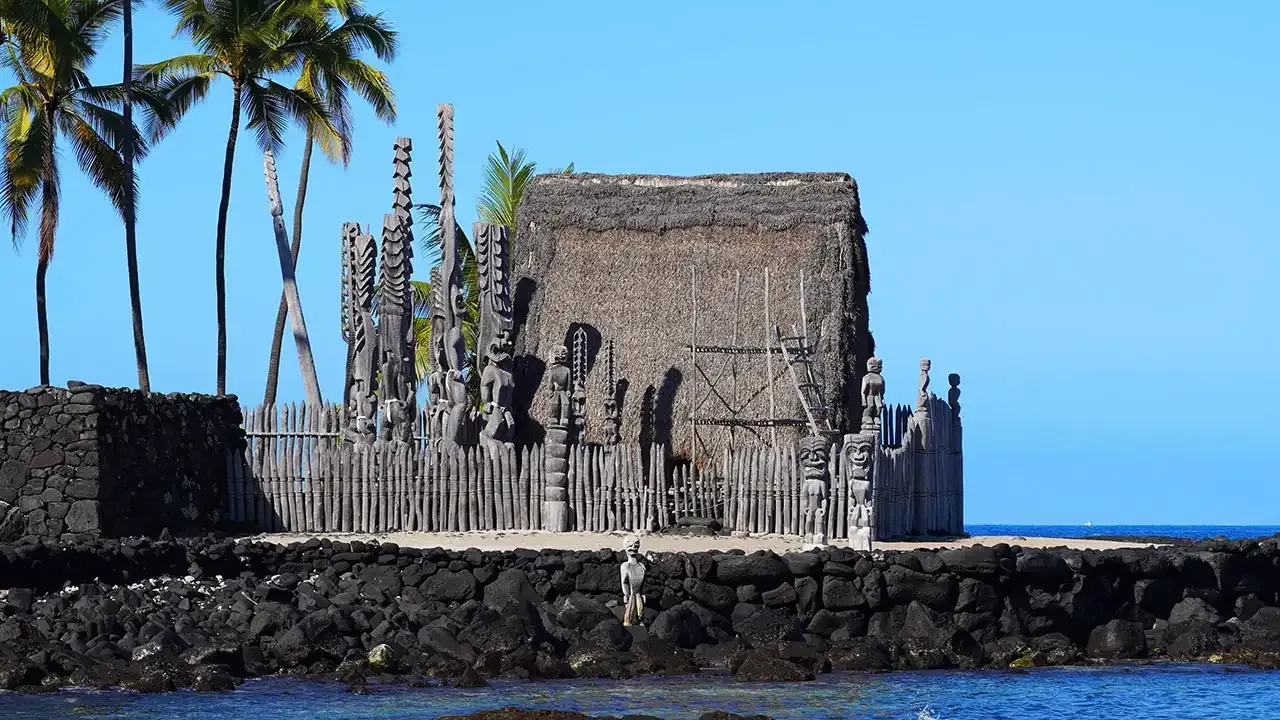
The Big Island offers a wide range of historical sites that highlight both cultural and natural heritage. Key sites include:
- Puʻuhonua o Hōnaunau National Historical Park: This sacred site was a place of refuge for those who broke kapu (ancient laws) and offers a glimpse into traditional Hawaiian life.
- Puʻukoholā Heiau: This impressive temple was built by King Kamehameha I and is a testament to the island's spiritual history.
- Kaloko-Honokōhau National Historical Park: This park preserves ancient Hawaiian fishponds and petroglyphs, highlighting the ingenuity of early Hawaiian aquaculture.
Visiting these sites gives you a deeper look at the Big Island's history and traditions.
Molokai
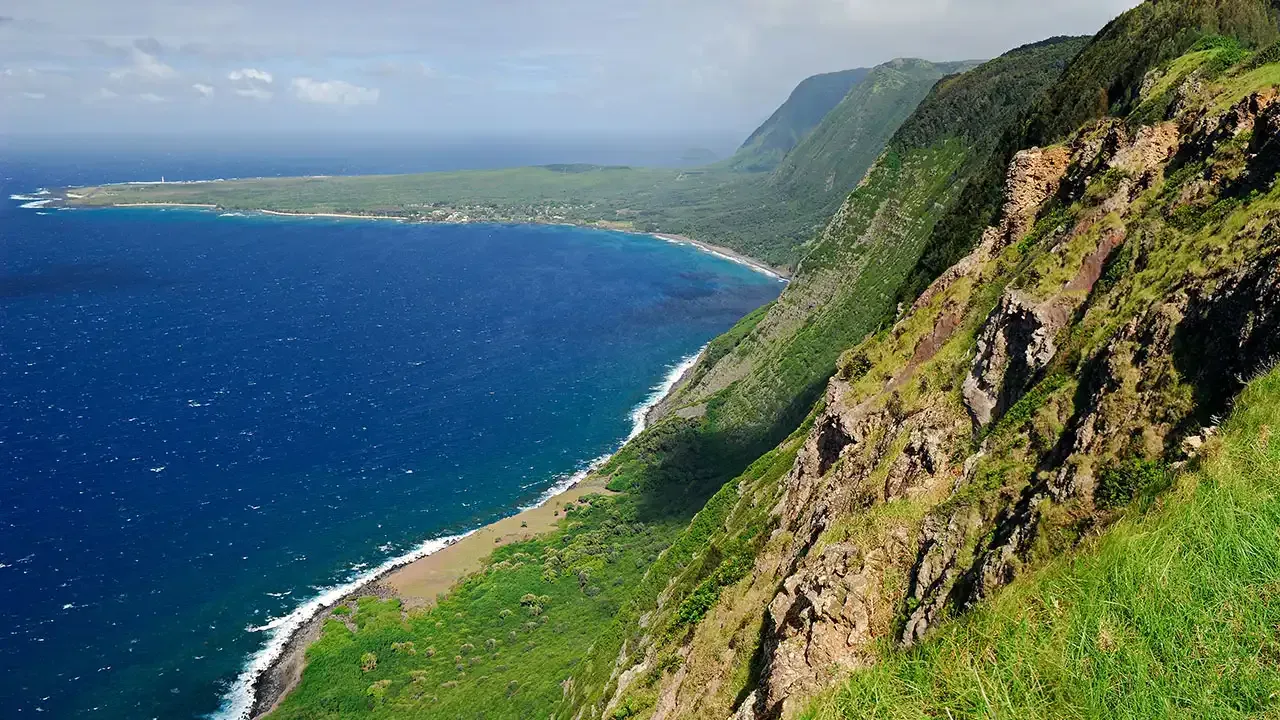
Molokai is known for its dedication to preserving Hawaiian culture and history. A notable site is:
- Kalaupapa National Historical Park: This park was once a settlement for individuals with leprosy and now serves as a poignant reminder of the struggles faced by its residents. The park offers guided tours that share the stories of those who lived there.
A visit to Kalaupapa offers a moving view of the resilience of the Hawaiian people and their history. To underline its importance, Kalaupapa has been listed with the National Park Service since 1980.
Kalaupapa: Molokai's Historic National Park Service Site
Once a place of banishment for people with leprosy, the remote Kalaupapa peninsula has been on the National Park Service’s roster of historic places since 1980. Its stories are now part of a broader national narrative.
Strange, Carolyn. “Symbiotic Commemoration: The Stories of Kalaupapa.” History and Memory 16, no. 1 (2004): 86–117.
Cultural Heritage
Cultural heritage sites in Hawaii help preserve traditions and local stories. One important site is:
- Honouliuli Education Center: This center focuses on educating the public about the internment of Japanese Americans during World War II and the impact of this history on Hawaiian culture.
These places help you understand the many stories that make up Hawaii's identity.
Preservation Efforts
Preservation work is key to keeping Hawaii's historic places and culture alive. Key aspects include:
- Community Involvement: Local communities actively participate in preservation initiatives, ensuring that historical sites are protected and maintained for future generations.
- Conservation Efforts: Organizations work to restore and preserve historical landmarks, providing resources and support for ongoing maintenance.
Together, these efforts show how shared responsibility helps safeguard Hawaii's rich history.
What Are the Top Ancient Hawaiian Temples and Heiau You Should See?
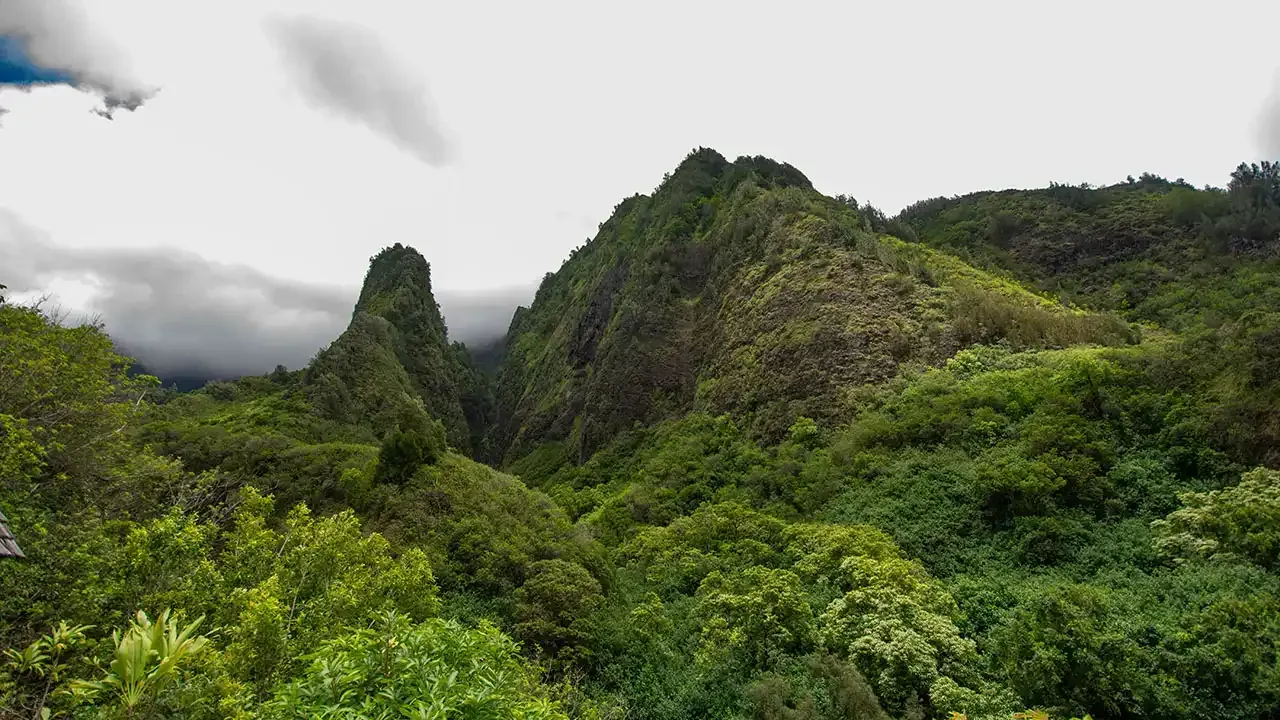
You’ll find several ancient temples and heiau that matter to Hawaiian culture. Notable ones include:
- Puʻuhonua o Hōnaunau: This site served as a place of refuge and is rich in spiritual significance.
- Puʻukoholā Heiau: A historic temple built by King Kamehameha I, showcasing ancient Hawaiian architecture.
- Iao Valley State Monument: This site features a sacred heiau and stunning natural beauty, making it a must-visit for history enthusiasts.
These sites offer a window into the spiritual beliefs and practices of ancient Hawaiians.
Which Royal Palaces and Historic Buildings Tell Hawaii's Story?
Royal palaces and historic buildings help tell the story of Hawaii's monarchy and governance. Important sites include:
- ʻIolani Palace: The only royal palace in the U.S., it reflects the grandeur of Hawaiian royalty.
- Queen Emma Summer Palace: This historic home of Queen Emma showcases Victorian architecture and royal artifacts.
- Huliheʻe Palace: Once a vacation home for Hawaiian royalty, it now serves as a museum displaying royal memorabilia.
Beyond their architecture, these buildings hold the artifacts and stories of Hawaii's royal past.
Exploring Iolani Palace and Other Iconic Historic Landmarks
Iolani Palace is a clear symbol of Hawaiian sovereignty and history. Its architectural features include:
- Historical Significance: As the residence of the last reigning monarchs, it represents a pivotal era in Hawaiian history.
- Architectural Features: The palace showcases a blend of Hawaiian and Victorian styles, making it a unique landmark.
A visit to Iolani Palace lets you step into the story of Hawaii's monarchy.
What Makes These Royal Sites Important to Hawaiian Culture?
Royal sites are key to understanding Hawaiian culture. They represent:
Cultural Heritage: These sites embody the traditions and values of the Hawaiian people, preserving their stories for future generations.- Historical Context: They provide insight into the governance and societal structure of ancient Hawaii, highlighting the significance of the monarchy.
Learning about these places helps you appreciate Hawaiian culture and history more deeply. Academic research also looks at how sites like Puʻukoholā Heiau and ʻIolani Palace are used in tourism and in efforts to assert Hawaiian independence and identity.
'Iolani Palace & Puʻukoholā Heiau: Hawaiian Kingdom History & Tourism
This analysis of Puʻukoholā Heiau and ʻIolani Palace offers an alternative view of how Hawaiian history has been used both as a settler-colonial tourist strategy and as a way to foster Hawaiian independence and indigeneity. Puʻukoholā Heiau is an eighteenth-century temple built by Kamehameha the Great on the Kohala Coast of Hawai’i Island during his effort to unite the islands in the 1810s.
“We Don't Mention the United States:” The Cultural Politics of Historical Interpretation Within the Settler State of Hawai'i at Puʻukoholā Heiau and 'Iolani Palace, 2020
How Can You Experience Hawaii's Archaeological Parks and Preservation Areas?
Visiting archaeological parks and preservation areas is a great way to connect with the islands' past. Key tips include:
- Visitor Tips: Always respect sacred sites and follow guidelines to preserve their integrity.
- Cultural Significance: Engage with local guides to gain insights into the historical context and importance of these areas.
These visits will deepen your understanding of Hawaii's archaeological heritage.
Visiting Puuhonua o Hōnaunau and Other Key Archaeological Sites
When you visit Puʻuhonua o Hōnaunau, remember to:
- Respect Sacred Sites: Understand the cultural significance of the area and adhere to guidelines.
- Learn About Preservation Efforts: Engage with park rangers to learn about ongoing conservation initiatives.
Following these practices helps protect the historical integrity of these sites.
What Should You Know About Preservation Efforts and Visitor Tips?
Preservation is essential to keep Hawaii's historic places intact. Important things to know:
Volunteer Opportunities: Many organizations offer volunteer programs for those interested in contributing to preservation efforts.- Respect for Cultural Sites: Visitors should always be mindful of the cultural significance of the sites they visit.
Together, these actions help preserve Hawaii's rich history for future generations.
What Cultural Heritage Events and Guided Tours Bring Hawaii's History to Life?
Cultural events and guided tours bring Hawaii's history to life. Notable events include:
- ʻIolani Palace Events: These events often feature reenactments and educational programs that highlight the palace's history.
- Merrie Monarch Festival: This annual festival celebrates Hawaiian culture through hula and music, showcasing the islands' rich traditions.
Joining these events lets you actively take part in Hawaii's cultural heritage.
Joining the Merrie Monarch Festival and Other Cultural Celebrations
The Merrie Monarch Festival is a standout cultural celebration. Key aspects include:
- Cultural Significance: This festival honors King David Kalākaua, known as the "Merrie Monarch," and promotes the revival of hula and Hawaiian culture.
- Community Involvement: Local communities come together to celebrate their heritage, fostering a sense of pride and unity.
Going to events like these gives you a richer sense of Hawaii's cultural life.
How to Find and Choose the Best Historic Tours in Hawaii
When you're picking a historic tour in Hawaii, keep these tips in mind:
- Research Tour Options: Look for tours that focus on specific historical themes or sites of interest.
- Read Reviews: Check reviews to gauge the quality and authenticity of the tour experience.
- Engage with Local Guides: Local guides often provide unique insights and stories that enhance the tour experience.
The right tour can make your visit much more meaningful.
Frequently Asked Questions
What are the best times to visit Hawaii's historical sites?
Most people prefer the shoulder seasons — spring (April to June) and fall (September to November). The weather is pleasant then and crowds are usually smaller, so you can enjoy sites more calmly. Many places also schedule special events or guided tours in these months. Always check a site's calendar for seasonal events or closures before you go.
Are there any guided tours specifically focused on Hawaiian history?
Yes—there are plenty of guided tours that focus on Hawaiian history. Local companies run themed tours to places like ʻIolani Palace, Pearl Harbor, and ancient heiau, and guides often share deep cultural and historical context. It's smart to book ahead, especially during busy seasons, to reserve your spot.
How can I contribute to the preservation of Hawaii's historical sites?
You can help in several ways: join volunteer programs run by local conservation groups, follow site rules while visiting, avoid removing artifacts, support local businesses, or donate to preservation organizations. Small actions by visitors add up and really make a difference.
What should I know about the cultural significance of Hawaiian festivals?
Hawaiian festivals like the Merrie Monarch Festival are rooted in cultural heritage and help keep traditions such as hula and music alive. They often honor historical figures and important milestones, and they build community pride. Attending gives you a chance to learn directly from local performers and cultural practitioners.
Are there any restrictions when visiting sacred sites in Hawaii?
Yes — sacred sites often have rules to protect their cultural value. Visitors are usually asked to stay on marked paths, avoid touching or climbing on sacred structures, and sometimes skip photos in certain areas. Check each site's guidelines ahead of time and consider joining a guided tour for respectful context.
What role do local communities play in preserving historical sites?
Local communities are central to preservation. They lead initiatives, advocate for cultural protection, and run educational programs that pass traditions to the next generation. Community voices also help shape conservation decisions so preservation aligns with local values and practices.
How can I learn more about Hawaiian history outside of visiting sites?
You can explore books, documentaries, and online courses to dive deeper into Hawaiian history. Local libraries and cultural centers often host lectures, workshops, and events. Talking with local historians or cultural practitioners can also give you personal perspectives that enrich what you learn at sites.